The Lower Eastern Times Opening The Third Eye
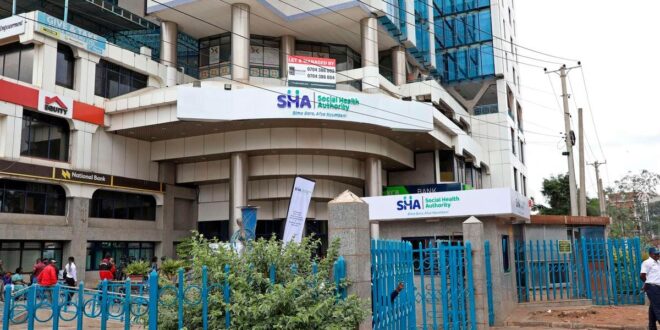
A coalition of civil society organizations advocating for cancer patients has raised concerns over the Social Health Authority (SHA) system, describing it as a source of emotional and financial strain that threatens continuity of care.
Speaking before the National Assembly Committee on Health, representatives of the Kenya Network of Cancer Organizations (KENCO) criticized the system for delays, unclear approvals, and rigid payment requirements that leave thousands of patients struggling despite being fully enrolled in the scheme.
“SHA has increased emotional distress more than the disease itself. Cancer is already draining, but the SHA system has made it worse,” said KENCO Executive Director Phoebe Ongadi.
Patients Facing Uncertainty and Financial Burden
KENCO highlighted cases where patients, such as Mary Nafula, were forced to pay premiums twice due to errors in the system. Nafula had paid her annual premium of KSh12,360 in May 2024 but was asked to pay again two months later after her account was flagged as “expired” during her second chemotherapy session.
“This confusion is breaking patients emotionally and financially,” said KENCO Vice-Chairperson Prisca Githuka.
The group also reported that most SHA help desks lack trained staff and sufficient information, leaving patients misinformed and forced to travel long distances to Nairobi for clarifications.
Call for Decentralization and Flexible Payment Options
KENCO urged the government to decentralize SHA services and strengthen capacity at county and facility levels. They also proposed flexible premium payment options, citing the burden of one-off annual payments on patients, particularly those earning daily wages in the informal sector.
“We are not refusing to pay, but paying the full premium at once is too burdensome. Monthly or quarterly payments would be more practical,” said Githuka.
Patient Peter Kinyanjui, who works in the matatu industry, echoed the call for monthly payments, reminiscent of the former NHIF system, to make the scheme more sustainable and accessible.
Funding Shortages Threaten Critical Care
KENCO also expressed concern over underfunded initiatives such as the Primary Health Care Fund and the Emergency, Chronic and Critical Illness Fund (ECCIF), which are unable to support patients as intended. According to Ongadi, the shortage of funds has limited access to vital diagnostic services, resulting in late cancer diagnoses and poor outcomes.
Kenya records approximately 44,700 new cancer cases annually, with over 29,000 deaths — more than half of those diagnosed do not survive. The most common cancers include breast, cervical, prostate, esophageal, and colorectal cancers, with 70 percent diagnosed at advanced stages.
Lawmakers Pledge Action
Seme MP James Nyikal, chair of the Health Committee, commended KENCO for its evidence-based advocacy, noting that their findings align with parliamentary observations of mismanagement, delayed payments, and lack of information.
Nyikal assured KENCO that Parliament would consider their recommendations in upcoming reports and engage the Ministry of Health and county governments. He also supported the inclusion of cancer survivors and patient representatives in SHA policy and advisory bodies to ensure reforms reflect patient experiences.
“We want to be part of the committees that design the benefits package. Our inclusion would ensure policies are grounded in real patient experiences,” said Githuka.
The committee plans to forward this proposal to the Ministry of Health, though implementation may extend into next year due to the parliamentary recess.