The Lower Eastern Times Opening The Third Eye
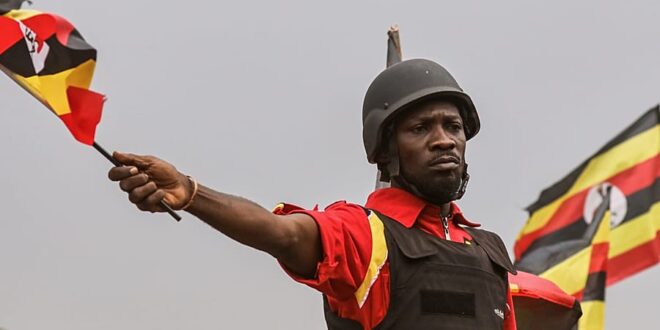
Bobi Wine is one of Africa’s most compelling modern figures—a chart-topping musician turned outspoken politician whose journey mirrors the struggles and aspirations of Uganda’s youth.
Born Robert Kyagulanyi Ssentamu on February 12, 1982, in Kampala, Bobi Wine rose from the informal settlements of Kamwokya to become a national symbol of resistance, hope, and generational change.
Roots in the Ghetto
Growing up in Kamwokya, one of Kampala’s poorest neighborhoods, Kyagulanyi experienced firsthand the hardships faced by many Ugandans: unemployment, limited opportunities, and state neglect. Music became his escape and his megaphone. As a teenager, he gravitated toward reggae and dancehall—genres that spoke to social injustice and resilience.
Adopting the stage name Bobi Wine, he broke into the mainstream in the early 2000s with songs that blended catchy beats with streetwise storytelling. His lyrics celebrated everyday life while confronting poverty, police brutality, and political corruption. Fans crowned him the “Ghetto President,” a title that stuck long before he entered formal politics.
Music as Activism
Bobi Wine’s music evolved into activism. Tracks like Freedom, Kadingo, and Situka urged Ugandans—especially the youth—to stand up for their rights. As his influence grew, so did state scrutiny. Concert bans, arrests, and intimidation followed, only amplifying his message.
Unlike many artists who avoid politics, Bobi Wine leaned in. He spoke plainly, dressed like the people he represented, and used popular culture to challenge entrenched power.
In a country led for decades by President Yoweri Museveni, Wine’s voice felt fresh—and threatening to the status quo.
Entering Politics
In 2017, Bobi Wine ran as an independent candidate and won the Kyadondo East parliamentary seat. His victory signaled a shift: Uganda’s youth—who make up the majority of the population—had found a champion who looked and sounded like them.
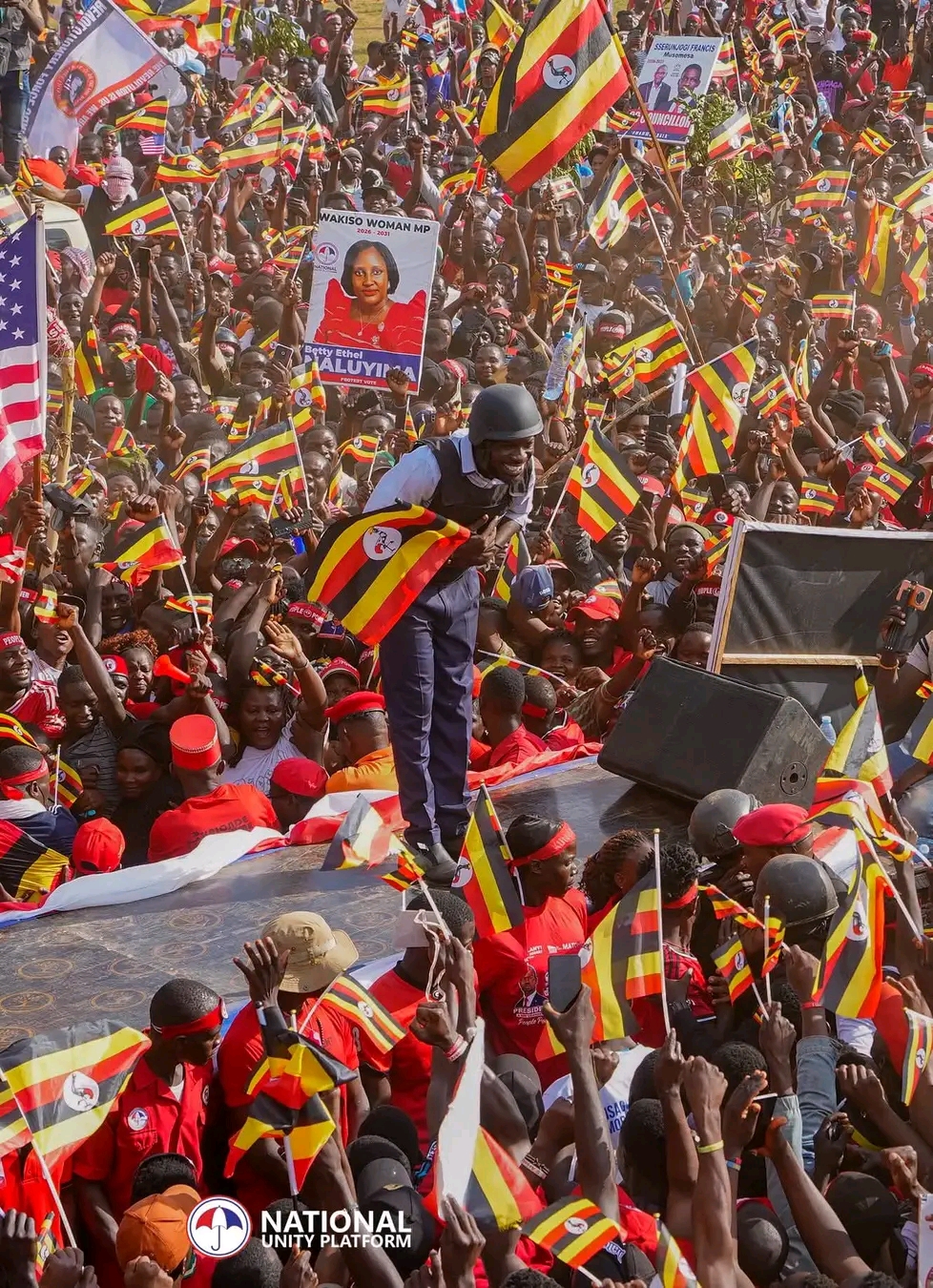
He later founded the National Unity Platform (NUP), transforming a grassroots movement into a major opposition party. The party’s red berets became a symbol of defiance and solidarity, even as authorities attempted to ban them.

Presidential Bid and Global Spotlight
Bobi Wine’s most audacious move came in 2021 when he ran for president. The campaign was marked by violence, arrests, internet shutdowns, and allegations of vote rigging. Although Museveni was declared the winner, Wine rejected the results and challenged them in court before withdrawing, citing a lack of judicial independence.
The election thrust Bobi Wine onto the global stage. Human rights organizations, foreign governments, and international media highlighted his struggle, framing it as part of a broader fight for democracy in Africa.
Life Beyond the Ballot
Married to Barbie Kyagulanyi, an educator and advocate, Bobi Wine is also a father and philanthropist. Through initiatives supporting education and healthcare, he continues to invest in communities that mirror his own upbringing.
Despite repeated arrests and exile periods, he remains steadfast. Whether through music, speeches, or organizing, Bobi Wine insists that his movement is bigger than one man—it’s about a generation demanding dignity and opportunity.

A Symbol of a Generation
Bobi Wine’s story is not just Ugandan; it resonates across Africa and beyond. He represents a new kind of leadership—rooted in culture, powered by youth, and unafraid to confront authority.
From the ghetto to the global stage, Bobi Wine has redefined what it means to be an artist, an activist, and a politician. Love him or oppose him, one thing is clear: his voice has changed the conversation, and it’s not going quiet anytime soon.