The Lower Eastern Times Opening The Third Eye

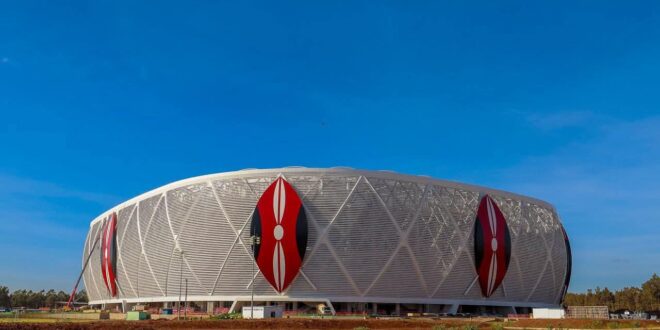
East Africa is set to make history by hosting the Africa Cup of Nations for the first time in over 50 years, a landmark moment whose impact stretches well beyond the pitch.
When Kenya, Uganda and Tanzania stage AFCON 2027, they will not only be hosting Africa’s premier football competition but also showcasing a new era of regional unity and ambition.
Click here to join our WhatsApp Channel
Branded Pamoja AFCON 2027, the joint bid has seen the three nations collaborate on stadium renovations, youth football initiatives and wide-ranging urban preparations designed to deliver a top-tier tournament.
For a region long absent from hosting major continental events, co-hosting AFCON marks a defining moment of maturity and confidence.
CAF President Patrice Motsepe underscored the importance of the occasion at the official handover ceremony, calling on the region to rise to the challenge.
“Over to you, East Africa—we must not let Africa down,” Motsepe said.
Kenya’s Sports Cabinet Secretary Salim Mvurya said the region is well prepared, citing its recent track record in hosting major competitions.
“After successfully delivering what many consider the best CHAN tournament ever, we are confident AFCON 2027 will exceed expectations,” Mvurya noted.
FKF president Hussein Mohammed said benchmarking visits to Morocco had provided valuable lessons, adding that East Africa is committed to making the tournament bigger and unforgettable.
Morocco’s recent AFCON experience offers a clear picture of the potential benefits awaiting East Africa.
The North African country posted 4.5 per cent economic growth in 2025, created over 100,000 jobs and saw a surge in consumer spending during the tournament. It generated more than €1 billion (Sh151 billion) in direct revenue, covering hosting costs, while also unlocking €2.3 billion (Sh345 billion) in long-term infrastructure investments linked to preparations for the 2030 World Cup.
CAF figures show AFCON revenues have risen by 90 per cent, with ticket sales jumping from $11 million (Sh1.4 billion) at the 2023 Ivory Coast edition to $55 million (Sh7.9 billion) in Morocco.
Tourism and domestic spending drove much of the profit, with car sales climbing by over 35 per cent and overall consumption increasing by more than 25 per cent during the tournament.
The social dividends were also notable, with more than 100,000 jobs created, many supported by internationally recognised training programmes.
Morocco welcomed 20 million tourists in 2025, a 14 per cent increase, with about 600,000 visitors directly linked to AFCON, boosting hotels, restaurants and creative industries.

While acknowledging the gap East Africa must bridge, Hussein Mohammed said Morocco had “raised the bar” in terms of infrastructure and facilities, noting that critical steps are already underway ahead of 2027.
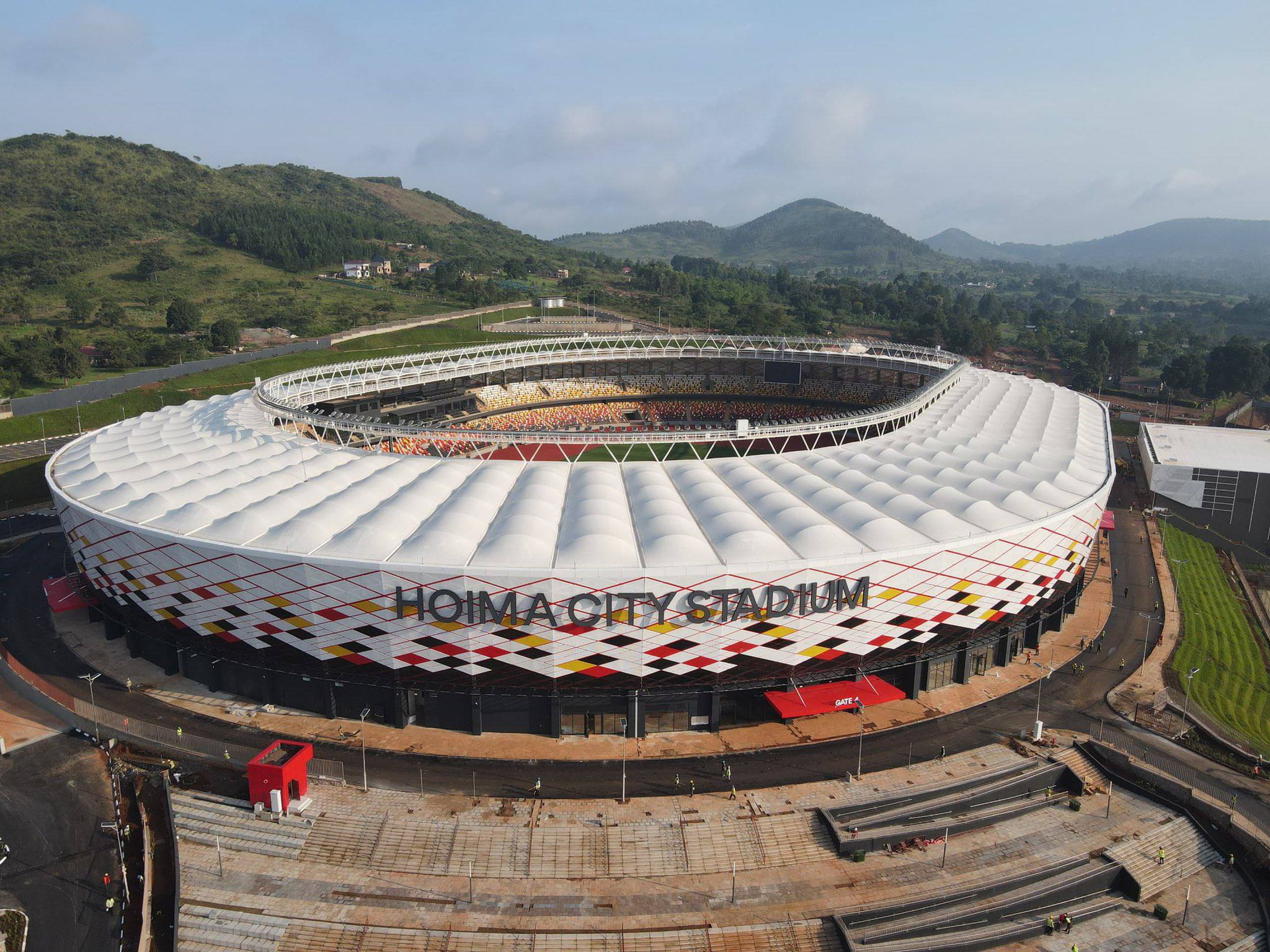
Across East Africa, AFCON preparations are accelerating infrastructure development. Stadiums are being upgraded to CAF standards, alongside improvements to roads, airports and urban services that will have lasting benefits.
In Kenya, President William Ruto has allocated Sh1.4 billion to complete Bukhungu Stadium in Kakamega County, reinforcing efforts to spread development beyond Nairobi.
Economically, all three countries expect gains from the influx of fans, officials and media, with hotels, transport providers, restaurants and small businesses set to benefit, alongside higher tax revenues and job creation.
The tournament typically draws hundreds of thousands of visitors, and hospitality hubs in Nairobi, Kampala, Dar es Salaam and other host cities are already gearing up for the expected boom.
Beyond money, AFCON 2027 carries significant political and diplomatic weight.
Jointly hosting the tournament offers Kenya, Uganda and Tanzania a chance to strengthen ties, ease past tensions and deepen cooperation on security, transport, border control and logistics—collaboration that could outlast the event itself.
Analysts say the shared objective could encourage greater resource-sharing and knowledge exchange across the region.
AFCON 2027 will also spotlight East Africa’s world-renowned natural and cultural attractions. From Uganda’s Bwindi Impenetrable Forest to Kenya’s Maasai Mara and Tanzania’s Serengeti, the region’s iconic destinations will be on display.

The tournament presents an opportunity to turn football visitors into repeat tourists, as fans extend their stays or return to explore wildlife, beaches and landscapes.
Cultural richness will add to the appeal, with plans for festivals, concerts and traditional dance performances to give visitors experiences beyond the matches.
With extensive international media coverage guaranteed, AFCON 2027 offers East Africa a powerful platform to reshape global perceptions—projecting images of modern stadiums, passionate fans and stunning scenery to audiences across Africa and beyond.