The Lower Eastern Times Opening The Third Eye
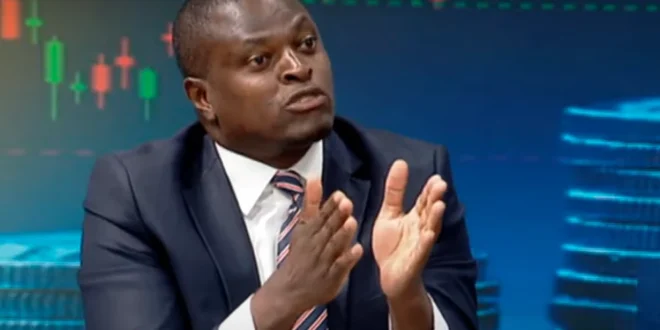
The National Assembly has agreed to review proposals by Kiharu MP Ndindi Nyoro aimed at lowering fuel prices, giving him an official opportunity to table measures he believes could cut diesel prices by at least Sh54 per litre.
The decision comes amid ongoing government talks with transport sector players following the nationwide matatu strike triggered by soaring fuel costs.
Click here to join our WhatsApp Channel
In a statement from Parliament’s Parliamentary Budget Office, the House confirmed receiving Nyoro’s May 15 letter containing proposed legislative amendments designed to ease fuel prices and help Kenyans struggling with the high cost of living.
“The proposals shall be processed in accordance with the provisions of Article 114 of the Constitution and the National Assembly Standing Orders,” the communication signed by Parliamentary Budget Office Director Martin Masinde stated.
Parliament noted that the proposals had already been forwarded to relevant House committees for further consideration.
The Budget and Appropriations Committee, alongside the Departmental Committee on Finance and National Planning, is expected to engage Nyoro on the financial impact of the proposed changes on both current and future budgets, as well as commitments tied to the Road Maintenance Levy Fund.
“As per the established practice, the Budget and Appropriations Committee and the Departmental Committee on Finance and National Planning shall require you to make representations on the implications of your proposals,” the letter stated.
In his submission, Nyoro proposed two major measures aimed at reducing the retail prices of super petrol, diesel and kerosene.
The first seeks to lower the Road Maintenance Levy Fund charge by Sh7 per litre by revoking the 2024 order that increased the levy from Sh18 to Sh25 per litre.
The second proposal calls for amendments to the VAT Act to remove petroleum products from taxable supplies and classify them as VAT-exempt, effectively reducing fuel VAT from eight per cent to zero.
“These amendments are short-term measures aimed at reducing the inflationary and sticky economic effects arising from the current high fuel prices,” Nyoro said in his letter.
He further suggested reducing the profit margins of fuel importers and distributors, currently capped at Sh17.39 per litre for super petrol and Sh17.31 for diesel, alongside introducing an additional Sh5 billion subsidy specifically for petrol.
“The measures will reduce price of diesel by approximately Sh54 per litre,” he stated.

The proposals come amid growing public outrage over fuel prices following the May 14 review by the Energy and Petroleum Regulatory Authority (EPRA).
The review pushed up the cost of Super Petrol by Sh16.65 per litre and Diesel by Sh46.29, raising pump prices in Nairobi to Sh214.25 and Sh242.92 respectively.
The increase sparked a nationwide strike organised by the Transport Sector Alliance, paralysing transport services in major towns and cities as matatus, online taxi operators, cargo transporters and boda boda riders suspended operations.
Thousands of commuters were forced to walk long distances or pay inflated fares on routes where limited transport remained available.
The disruption also affected schools, businesses and supply chains, increasing pressure on the government to act.
In response, the government held talks with transport stakeholders at Transcom House led by Energy CS Opiyo Wandayi and Transport CS Davis Chirchir.
Following the negotiations, the government announced a Sh10.06 reduction in diesel prices and adjusted kerosene prices upward to minimise the risk of fuel adulteration.
Transport operators, however, initially rejected the move, arguing it fell short of their demand for a Sh30 to Sh35 reduction.
The standoff later escalated into a public exchange between Wandayi and Tour Guide Association chairperson Kennedy Kaunda during a live press briefing on Monday evening.
After further consultations on Tuesday involving Wandayi and Interior CS Kipchumba Murkomen, operators agreed to suspend the strike for seven days to allow further discussions with the government.
They warned, however, that the strike could resume if no agreement is reached.
The government has attributed the fuel crisis to global instability linked to the conflict involving the US, Israel and Iran, which has driven up international fuel, freight and insurance costs.
Treasury CS John Mbadi and Deputy President Kithure Kindiki have defended retaining some fuel levies, saying removing them completely would affect road funding and other essential public services.

Even so, pressure continues to mount on the government to find lasting solutions to high fuel costs as Kenyans struggle with rising transport fares, expensive food and shrinking household incomes.
Nyoro expressed optimism that he will appear before the relevant parliamentary committees, possibly next week.
“The proposals are independent of whatever discussions other sectors of the economy will be having. Whereas rising prices directly affect the transport sector, they also affect all Kenyans directly and indirectly,” he said.