The Lower Eastern Times Opening The Third Eye

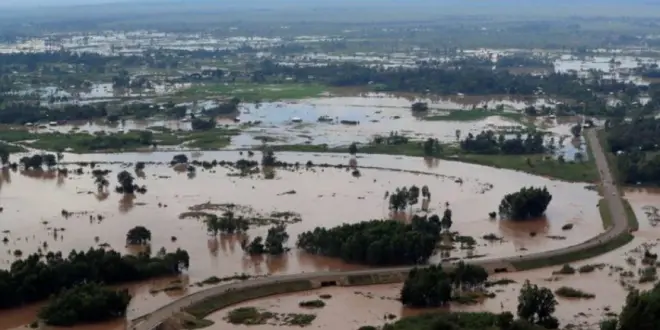
The government has disclosed that the recent El Niño rains resulted in the unfortunate loss of 174 lives nationwide, encompassing 133 adults and 41 children.
The National El Niño Emergency and Disaster Control Centre also highlighted the substantial impact on the agricultural sector, with 84,568 acres of land and 6,706 animals, predominantly goats and sheep, affected. The affected regions include Lamu, Tana River, Garissa, Mandera, Wajir, Homabay, and Kitui, posing a significant threat to food security.
Efforts are underway to restore damaged infrastructure, including the repair of 7,878 schools to facilitate their reopening. Coordinated initiatives by various agencies in disaster preparedness and response have played a pivotal role in managing the impacts of the El Niño rains.
The number of displaced households has reduced to 15,208 across 79 camps, a significant decrease from the initial 170 camps hosting 109,179 displaced households. The State Department of Special Programmes has distributed over 4,604.6 Metric Tonnes of food items such as rice, beans, fortified flour, and corned beef to affected Counties.
As the country transitions from the effects of El Niño, the Kenya Meteorological Department has advised Kenyans to anticipate sunny and dry conditions in most parts of the country until at least the end of January 2024.
However, specific regions, including the Lake Victoria basin, Southern Rift Valley, South-Eastern lowlands, Highlands East of the Rift Valley, and the South Coast region, are expected to experience sporadic rainfall.