The Lower Eastern Times Opening The Third Eye

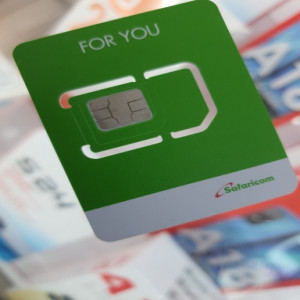
Members of Parliament have called for an investigation into Safaricom’s deactivation and reassignment of dormant SIM cards, warning that the practice could expose customers to fraud, financial losses and breaches of personal data.
The matter was raised in the National Assembly after Deputy Speaker Gladys Boss tabled a petition by Thompson Kirongo seeking scrutiny of how Safaricom handles inactive mobile numbers.
Click here to join our WhatsApp Channel
The petition has since been forwarded to the Public Petitions Committee, which will examine whether the company’s practices comply with laws on consumer protection, data privacy and the management of financial assets.
Under the existing system, SIM cards that have not been used for a specified period, usually six months, may be deactivated before the associated numbers are eventually issued to new subscribers.
Kirongo argues that the policy could unfairly affect customers who are unable to use their numbers for long periods due to circumstances such as illness, travel or incapacitation.
According to the petition, customers who later attempt to restore their lines may discover that they can no longer access mobile money services, financial accounts or personal information previously linked to their numbers.
The issue has also raised concerns over numbers registered to deceased individuals, particularly where the lines remain connected to M-Pesa, bank accounts and other financial services.
MPs want the committee to establish how such numbers are handled during the administration of estates and whether their reassignment could affect beneficiaries or authorised representatives under succession laws.
Lawmakers also want clarification on what happens to money linked to dormant or deactivated numbers, including whether eligible unclaimed funds are transferred to the Unclaimed Financial Assets Authority.
MPs Share Personal Experiences
Matuga MP Kassim Tandaza told Parliament that he had personally experienced the risks associated with reassigned numbers.
He said he once sent money to a number saved under the name of a familiar contact, only to discover that the number had been allocated to another person.
Tandaza called on Safaricom to introduce a notification system that would alert individuals who had previously saved a number in their contacts before it is reassigned.
Samburu West MP Naisula Lesuuda said the matter had become increasingly important because mobile numbers are now closely tied to financial services, social media platforms and personal accounts.
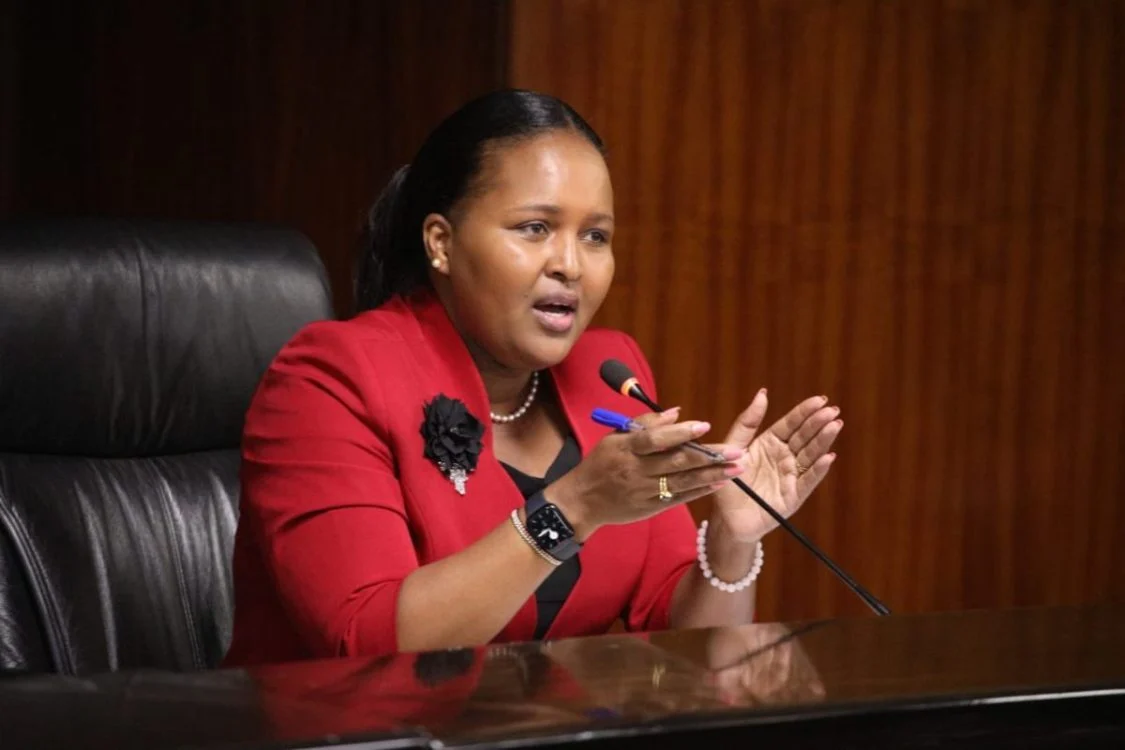
She urged Safaricom to strengthen safeguards around M-Pesa and other financial accounts connected to deceased customers’ numbers.
Sigowet/Soin MP Justice Kemei said Parliament should review the regulatory framework governing telecommunications as mobile services become more central to everyday life.
He acknowledged the need for operators to manage dormant lines but argued that subscribers should receive adequate notice before their numbers are disconnected.
Nominated MP Irene Mayaka, meanwhile, urged Safaricom to explain how it protects customers’ personal information when SIM cards are deactivated and numbers later reassigned.
She said the company should demonstrate its compliance with Kenya’s data protection laws before the Public Petitions Committee.
MPs Raise SIM-Swap Fraud Concerns
Endebess MP Robert Pukose called for urgent consideration of the petition, citing cases in which reassigned numbers have allegedly been used to impersonate individuals and attempt to obtain money from their contacts.
He said he had received messages from a number saved under the name of someone he knew, only to establish that the line had been acquired by another person.
Tigania West MP John Mutunga also supported calls for subscribers to be notified before their former numbers are allocated to new users.
North Imenti MP Rahim Dawood raised concerns over SIM swapping, where criminals take control of a victim’s number and potentially gain access to linked financial accounts.

Dawood cited an alleged case in Meru in which a victim reportedly lost Sh2.7 million from four bank accounts following a SIM swap.
Mandera County Woman Representative Umul Kheir Kassim said she had also witnessed the disruption caused by SIM deactivation, recounting how a family member travelling abroad lost access to services linked to his number.
Committee to Examine Safaricom Practices
The petition has now been formally referred to the Public Petitions Committee.
The committee will investigate how dormant SIM cards are deactivated and how their numbers are subsequently reassigned. It will also assess whether the procedures comply with consumer protection, data privacy and financial regulations.
The inquiry could further recommend new laws, regulations or administrative measures aimed at protecting customers from fraud, loss of access and misuse of personal information.