The Lower Eastern Times Opening The Third Eye

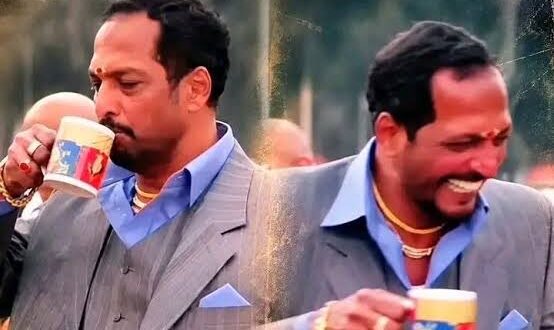
Veteran Indian actor Nana Patekar, celebrated for his powerful performances and outspoken personality, has reportedly died at the age of 75 in Goa.
Patekar was one of the most prominent figures in Indian cinema, earning widespread recognition for portraying intense, unpredictable and complex characters. Throughout his career, he won three National Film Awards and established himself as a respected actor in both Hindi and Marathi cinema, as well as theatre.
According to reports, the actor was found unconscious at his residence in Goa early Thursday and was rushed to hospital. Despite efforts by medical personnel to revive him, he could not be saved.
Dr Shekhar Salkar of Manipal Hospital in Goa told ANI that doctors performed cardiopulmonary resuscitation (CPR) for approximately 45 minutes without success.
Speaking to PTI, Salkar said the medical team found Patekar almost unresponsive at his home and continued administering CPR while transporting him to hospital. He was declared dead upon arrival.
The doctor said the actor had suffered a cardiac arrest, although the underlying cause was not immediately established.
Following his death, family members, friends and fans gathered at Goa Medical College to pay their final respects before his remains were transported to Pune, Maharashtra, for funeral rites and cremation with full state honours.
Maharashtra Chief Minister Devendra Fadnavis also paid tribute to the late actor before the funeral proceedings.
According to The Times of India, Patekar’s son, Malhar, told reporters that although his father was no longer physically present, his memories and dedication to social welfare would continue to inspire the family.
Modi, Bollywood Stars Mourn Patekar
Tributes poured in from prominent Indian leaders and entertainment personalities following news of the actor’s death.
Prime Minister Narendra Modi praised Patekar’s versatility and distinctive personality, saying his memorable performances would remain in the hearts of generations. He added that the actor’s passing had left a significant gap in the artistic community.
Veteran actor Anupam Kher also mourned his friend, describing him as one of the finest actors and human beings in Indian cinema. He said he would miss Patekar’s warmth and exceptional performances.
Bollywood superstar Shah Rukh Khan remembered Patekar as a mentor, teacher, critic and friend, noting that his death would be deeply felt both within the film industry and beyond.
Actor Akshay Kumar, who worked with Patekar in the comedy film Welcome, praised his commanding screen presence, distinctive voice and remarkable ability to captivate audiences.
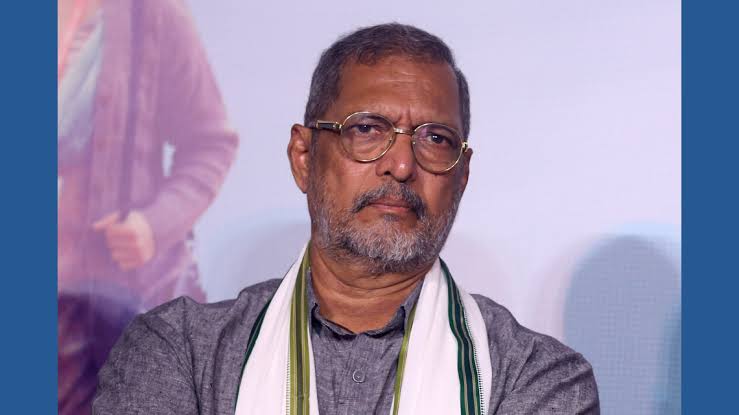
From Theatre to Bollywood Stardom
Patekar began his film career with Gaman in 1978, initially appearing in smaller roles before his breakthrough performance in the 1989 crime drama Parinda.
His portrayal of gangster Anna earned him his first National Film Award and a Filmfare Award, establishing him as a major talent in Indian cinema.
He subsequently delivered several acclaimed performances throughout the 1990s, demonstrating his ability to portray a wide range of characters, from hardened criminals to patriotic heroes and authoritative police officers.
Some of his most memorable films included Prahaar, which he also directed, Tirangaa, Krantiveer and Agni Sakshi. His performance in Khamoshi further demonstrated his versatility, as he convincingly portrayed a character who could neither hear nor speak.
In 2010, Patekar added another dimension to his career with his portrayal of a shrewd politician in Prakash Jha’s political drama Rajneeti.
His distinctive, gravelly voice and intense delivery made many of his film dialogues widely recognisable across India. His acting style also became a popular subject of imitation among comedians.
Film trade analyst Komal Nahta told the BBC that Patekar could be difficult to work with because of his outspoken nature, but directors continued to seek him out because of his exceptional acting abilities.
Beyond cinema, he remained an influential figure in Marathi and Hindi theatre. Productions such as Purush and Hamidabai Chi Kothi were among his notable stage works, and he continued participating in theatre even after achieving success on the big screen.
His three National Film Awards, for Parinda, Krantiveer and Agni Sakshi, reflected the breadth of his contribution to Indian cinema.
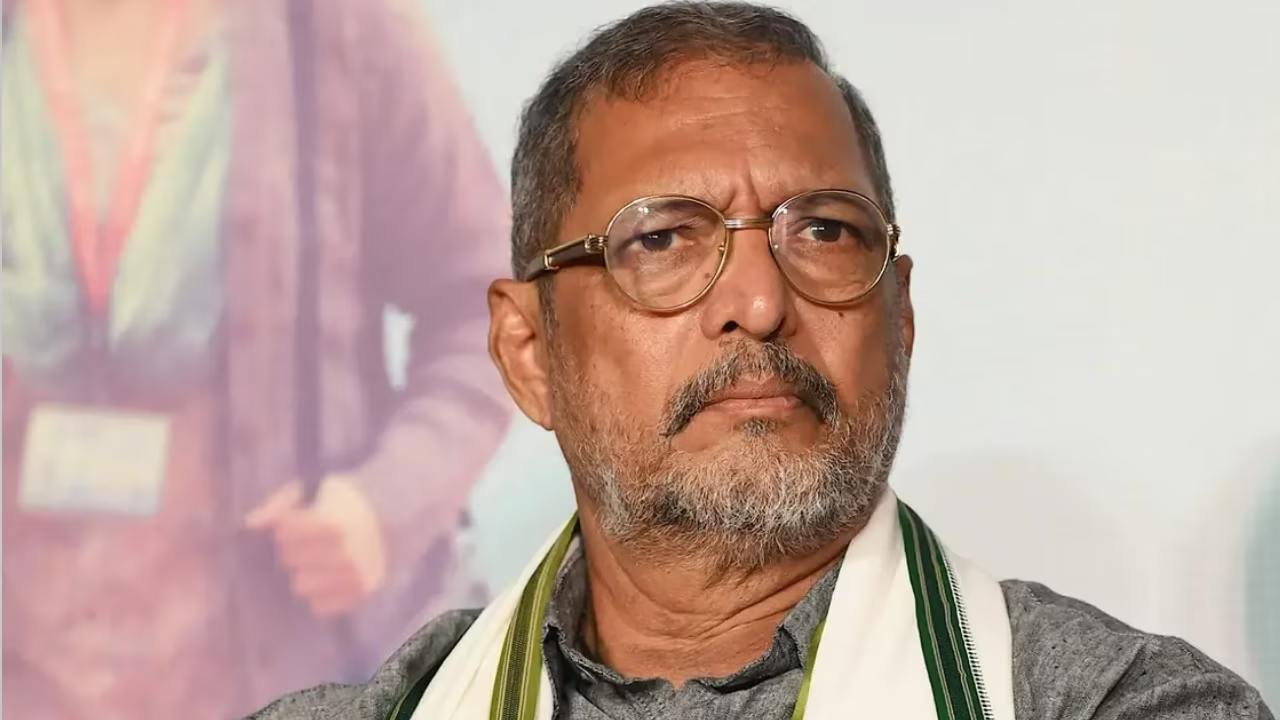
Activism, Farmer Welfare and Controversies
Outside entertainment, Patekar was known for his outspoken views on political and social issues, frequently criticising government policies and public officials.
Farmer welfare was among the causes closest to his heart. In 2015, he joined fellow actor Makarand Anaspure to establish the Naam Foundation, an organisation focused on supporting farmers and promoting water conservation in Maharashtra.
However, his career also faced controversy. In 2018, actor Tanushree Dutta accused Patekar of sexual harassment over an alleged incident on a film set approximately a decade earlier. The allegations contributed to the momentum of India’s #MeToo movement.
Patekar denied the accusations. In 2019, police said they had found insufficient evidence to proceed with the case.
Despite the controversies, Patekar remained a significant figure in Indian entertainment, remembered for his commanding performances, distinctive acting style, contributions to theatre and involvement in social causes.