The Lower Eastern Times Opening The Third Eye
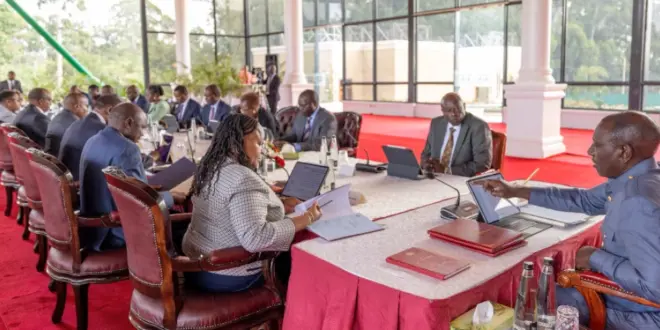
In a decisive move aimed at curbing fraud and safeguarding parents from exploitation, the Cabinet has instructed the Ministry of Education to swiftly digitize the entire education sector, spanning from elementary to tertiary and university levels, within a tight timeframe of 30 days.
During a session convened at State House and presided over by President William Ruto on Wednesday morning, the Cabinet emphasized the imperative to ensure that government disbursed capitation funds are allocated exclusively to bona fide students.
Concerns were raised regarding the ongoing resistance to digitization efforts within the education sector, with particular reference to instances such as the 10,000 national examination candidates who were registered and funded by the government but failed to appear for the exams.
President Ruto highlighted, “Opposition to fee payments via the e-Citizen platform is largely orchestrated by individuals who have established alternative bank accounts, much like the proliferation of parallel Paybills throughout the public service.”
Furthermore, the Cabinet resolved to extend the digitization drive to encompass technical and vocational education institutions, as well as universities, including integration with the Higher Education Loans Board (HELB).
These directives coincide with a recent High Court ruling on Tuesday, which extended an injunction barring the government’s directive requiring parents to remit school fees payments through the eCitizen platform. Justice Chacha Mwita, in extending the injunction, assured that the government’s interests would not be prejudiced.
The court is scheduled to deliberate on the matter on April 17 this year, following a petition filed by Dr. Magare Gikenyi, a doctor from Nakuru.
A memorandum issued to all national school principals on January 31, 2024, and signed by Principal Secretary Dr. Belio Kipsang’, mandated the sharing of school bank account details with the State Department’s office by February 6, 2024.