The Lower Eastern Times Opening The Third Eye
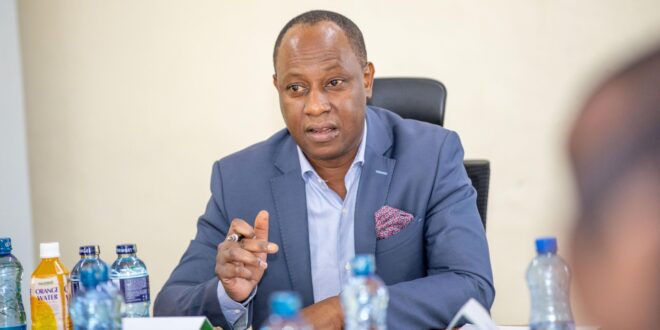
Livestock Development Principal Secretary Jonathan Mueke has called for collaborative efforts across multiple sectors to tackle the challenges hindering growth in the pastoral livestock sector.
He highlighted trade restrictions, poor infrastructure, and limited access to markets as major obstacles affecting this crucial sector, which supports the livelihoods of millions.
Mueke stressed the importance of creating solutions to overcome these barriers and enhance the sector’s role in economic growth, food security, and cultural preservation.
“Partnerships between government agencies, industry players, and development partners are essential to addressing these challenges in the pastoral livestock development and marketing sectors,” he said.
At the opening of a pan-African pastoral livestock stakeholders’ workshop in Nairobi, Mueke pointed out that these issues have impeded the sector’s growth and restricted its economic potential.
He also noted that Kenya has the capacity to meet local meat demand and even export surplus, but the sector’s performance in meat production remains underwhelming.
“Kenya’s livestock population in 2021 included 16.1 million beef cattle, 24.8 million sheep, 32.5 million goats, and 4.4 million camels, producing 500,000 metric tons of red meat, a figure far below its potential,” Mueke explained.
He further acknowledged that, despite initiatives like the 2014 Malabo Declaration, challenges in market integration, policies, and information sharing persist.
To address these issues, the African Union Inter-African Bureau for Animal Resources (AU-IBAR), in collaboration with the Bill & Melinda Gates Foundation, has launched the African Pastoral Markets Development (APMD) Platform. This initiative aims to use data-driven solutions to overcome these challenges.
The Stakeholder Inception Workshop, which convened participants from countries including Kenya and Nigeria, African Union bodies, regional organizations like COMESA, IGAD, ECCAS, and ECOWAS, as well as development and research institutions, focused on transforming pastoral market systems. The platform, launching on Friday in Nairobi, aims to improve livelihoods and boost the resilience of pastoral communities in the Horn of Africa and Sahel regions through sustainable and innovative approaches.
Tumal Orto, a camel herder and community leader from the Gabra group in Marsabit County, shared the struggles faced by communities in Northeastern Kenya, including limited market access, climate change impacts, and scarce resources. He expressed optimism that the APMD Platform could offer data-driven solutions to enhance livestock productivity, increase resilience, and improve market access.
Several speakers at the event highlighted the urgent need for innovative and adaptable solutions. Dr. Huyam Salih, Director of AU-IBAR, pointed out that existing pastoral frameworks and adaptation strategies often fail to meet the specific needs of pastoral communities.