The Lower Eastern Times Opening The Third Eye

This past weekend, four top teams from the greater Amboseli region—Rombo, Kuku, Eselenkei, and ALOCA—battled it out in the finals of the 2025 Maasai Football League. Beyond the excitement on the pitch, the league is fostering a significant cultural shift toward wildlife conservation.
Launched by the Big Life Foundation as an offshoot of the Maasai Olympics, the league channels the energy of young Maasai morans away from traditional lion hunting—historically a rite of passage and a response to livestock predation—toward structured sports and positive competition.
Click here to join our WhatsApp Channel
What began in 2019 as a behavioral experiment has grown into a highly effective community initiative, promoting coexistence between humans and wildlife in the region.
This year’s tournament coincides with major conservation successes: lion killings across Amboseli have dropped to nearly zero, and populations have grown from about 20 two decades ago to an estimated 250 today. Experts attribute these gains to programs such as the Maasai Football League and the Predator Compensation Fund, which provide incentives and education to encourage peaceful coexistence.
Conservation Champions
Richard Bonham, Executive Chairman of Big Life Foundation, praised the community for driving this change.
“The league grew out of the Maasai Olympics, which was designed to shift the mindset of warriors and discourage lion killings. It has been tremendously successful,” he said.
“In 2002, there were only around 25 lions in the Amboseli ecosystem. Today, there are between 250 and 300, thanks largely to young morans choosing conservation over hunting. It’s a milestone worth celebrating.”
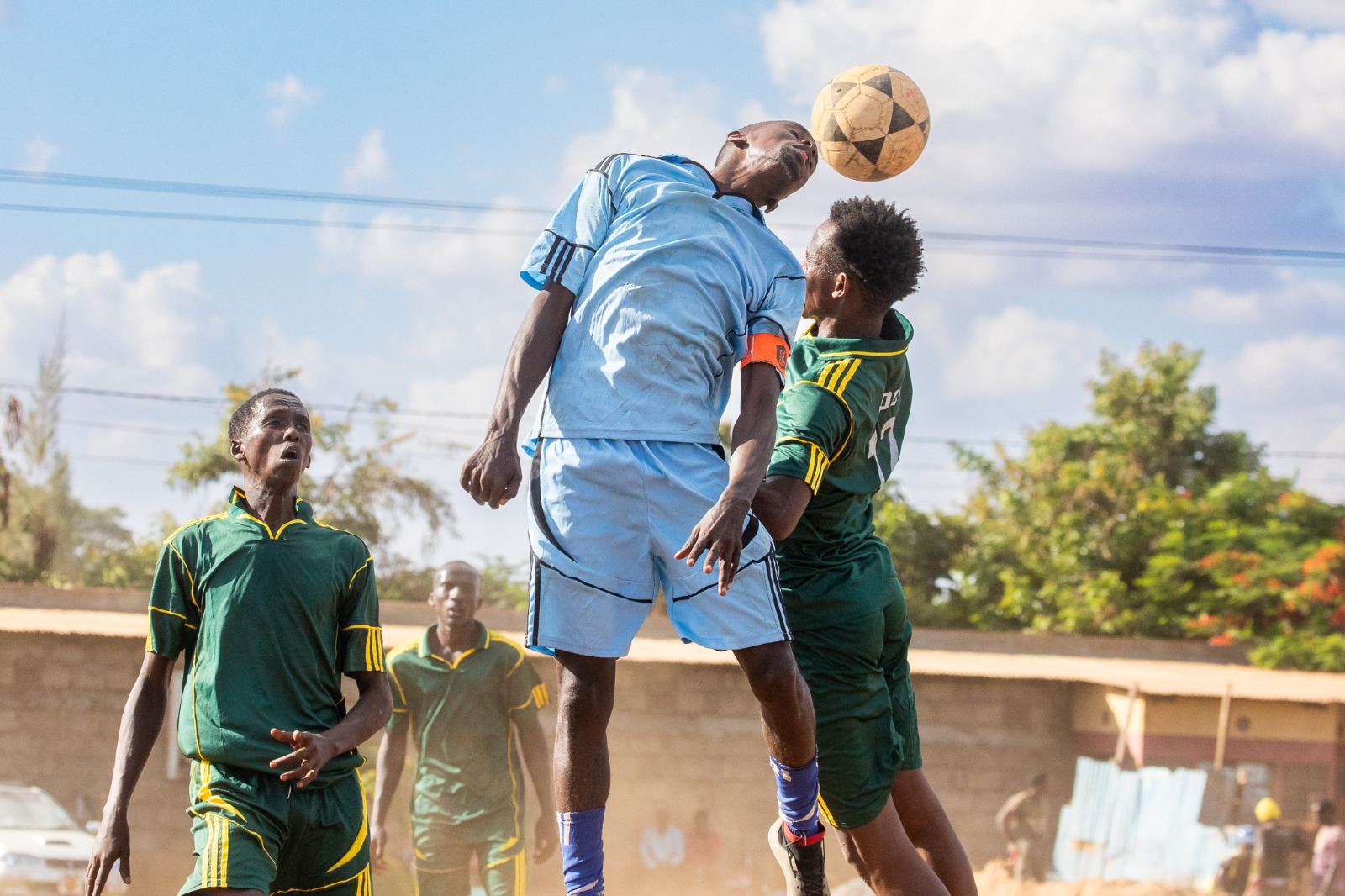
For generations, lion hunting defined Maasai warrior culture. Today, football is helping reshape that identity by engaging youth in constructive activities while reducing retaliatory or ceremonial lion killings.
Samuel Kaanki, Maasai Olympics and Moran Education Coordinator at Big Life, highlighted how the league has redefined bravery and responsibility for young morans.
“Many once considered hunting lions the ultimate test of courage. Now, they stand on the football pitch as champions of conservation,” he said. “Through sport, we also teach them about land management, grazing practices, and how protecting the ecosystem benefits both wildlife and the community.”
2025 Finals and Growing Impact
In a closely contested final at Christ the King playground in Kimana, Loitokitok, Kuku defeated ALOCA 1–0 to win the 2025 title. Team captain David Suyianka said the program has reshaped players’ views on wildlife.
“We now understand that lions and elephants on our land are shared resources, not enemies,” he said. “Football has shown us that wildlife deserves the same protection as our livestock. We are proud to be champions on the field and champions for conservation.”
Since its launch, the Maasai Football League has expanded to six teams representing communities across the Amboseli landscape, including border areas near the Tsavo ecosystem. Some players have advanced to regional and national competitions, demonstrating that the league fosters both conservation awareness and local sporting talent.
By educating youth on issues like conservation, land-use planning, and grazing management, the league has become a critical platform for sustainable development.
With lion populations recovering and community attitudes shifting, the Maasai Football League stands as a compelling example of how culturally rooted, community-led initiatives can drive long-term conservation success.