The Lower Eastern Times Opening The Third Eye
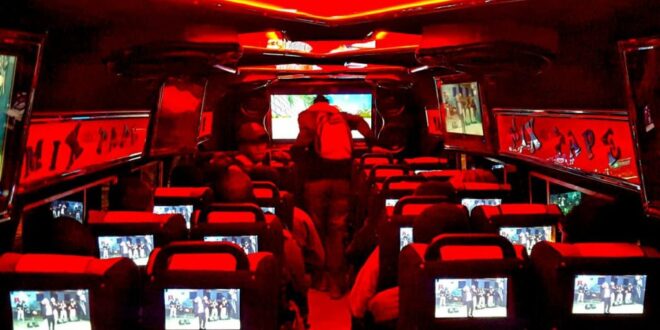
The concept of “public” appears to have faded within PSV. From thundering music to the dominance of mobile phone culture, everyone seems absorbed in their own world. Drivers amplify music to its loudest, creating an environment where communication between neighboring passengers is nearly impossible.

This prompts a contemplation of what a PSV, or public service vehicle, truly represents. Should it not serve as a space where individuals converge during travel, sharing thoughts, exchanging cultures, and, at the very least, getting acquainted with one another?
As I compose this reflection, I find myself seated in ‘nganya’ en route to Kasarani, with rhythm-infused music drowning out my surroundings. Even the philanthropist, Apostle Apollo, striving to garner donations for street children, struggles to make himself heard clearly.
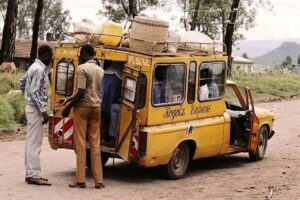
When did we lose the essence of communal experience? In the past, our parents used to travel in ‘face me’ matatus, engaging in conversations with strangers. A mother might introduce her grown daughter to a father whose son appears to be struggling to find a life partner. Public transport was once a conduit for shared heritage. Today, it has transformed into a stressful passage between the workplace and home, with abusive conductors and indifferent drivers paying no heed to the discomfort caused by blaring music.
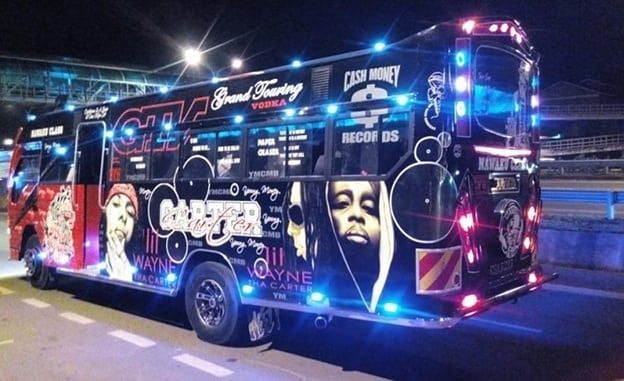
Attempting to voice a complaint often results in dismissive retorts from the kamagira, suggesting that if you’re too old, you should have waited for a quieter vehicle. Mid-journey driver exchanges add another layer of stress, as sober drivers hand over the reins to semi-drunken counterparts.
Overloading is rampant, and passengers have no right to complain, as the sticker upfront boldly states, “Songea mwenzako, starehe ni kwako” (Accommodate one another, comfort is at your home).Traffic officers turn a blind eye, as they are reminded of the ‘meeting’ in the morning. The conductor who boarded you is not the one collecting fares, leading to arbitrary charges different from those initially communicated during boarding.
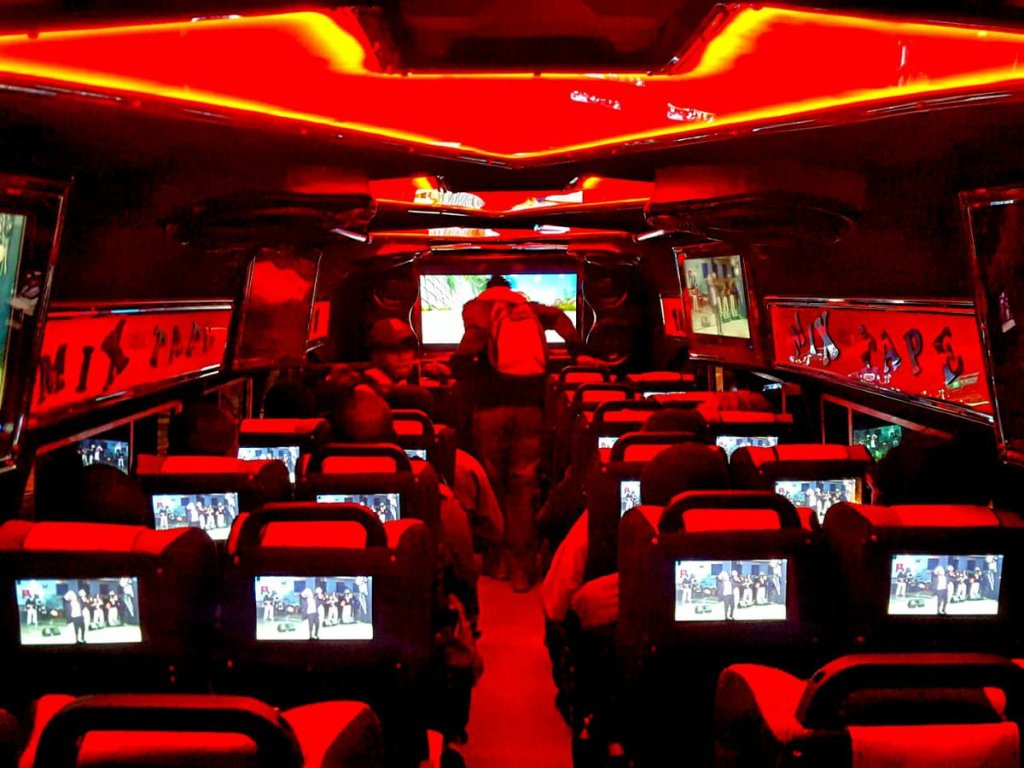
As the saying goes, in a nation of the mad, the sane go mad. Where did the concept of “public” vanish? It is high time the needs of passengers take precedence once again.