The Lower Eastern Times Opening The Third Eye

By: Rebecca Atieno, Laikipia University
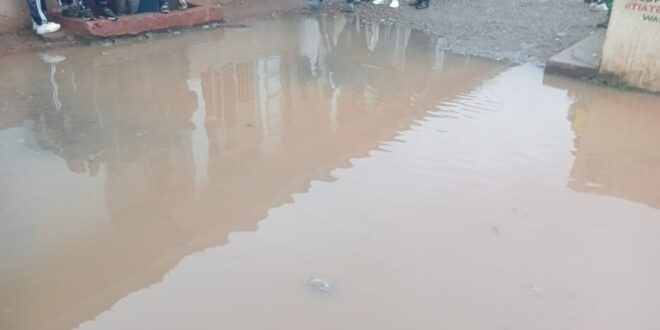
Floods are among the most destructive natural disasters in many parts of the world. They occur when heavy rainfall causes rivers, lakes, and drainage systems to overflow. While floods destroy homes, roads, and farms, they also have a significant impact on education.
Many students and teachers struggle to continue with learning when floods occur.
Click here to join our WhatsApp Channel
One of the main ways floods affect education is by damaging school infrastructure. Floodwaters can destroy classrooms, libraries, laboratories, and school furniture. In severe situations, school buildings may collapse or become unsafe to use. When this happens, schools are forced to close until repairs are completed, which can take weeks or even months.
Floods also disrupt school attendance. Many students are unable to reach school because roads and bridges are flooded or damaged. In rural areas, learners often travel long distances or cross rivers to get to school. When flooding occurs, these routes become dangerous, forcing many students to stay at home.
Another major challenge caused by floods is the displacement of families. When homes are destroyed or areas become unsafe, families may move to temporary shelters or relocate to different regions. This movement interrupts children’s education because they may miss school for long periods or struggle to enroll in new schools.
Floods can also lead to the loss of learning materials. Books, school bags, uniforms, and other educational supplies are often destroyed by water. Without these materials, students find it difficult to continue their studies effectively.
Click Here To Subscribe To Our YouTube Channel
In addition, floods can have emotional and psychological effects on students. Experiencing such disasters can cause stress, fear, and trauma. Some learners may struggle to concentrate in class, especially after losing their homes or personal belongings.
Teachers are also affected by floods. Some may be unable to reach school, while others may lose their homes or teaching materials. This makes it difficult for them to conduct lessons effectively and maintain the regular school schedule.

To reduce the impact of floods on education, governments and communities need to invest in stronger infrastructure and better disaster preparedness. Schools can be built on higher ground, drainage systems can be improved, and emergency learning programs can be introduced to ensure that students continue learning during disasters.
In conclusion, floods significantly disrupt education by damaging school facilities, affecting attendance, destroying learning materials, and causing emotional distress to both students and teachers. It is therefore important for governments and communities to take steps to protect education from the impact of such disasters.