 The Lower Eastern Times Opening The Third Eye
Related Articles
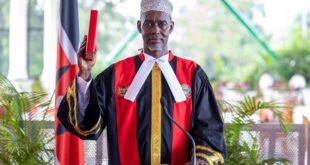

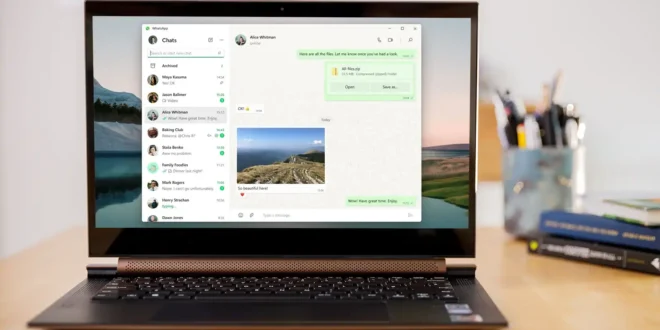
The High Court in Siaya has set a new precedent, ruling that commitments made verbally, via WhatsApp, or through SMS can be legally binding, even without a written or signed contract.
Justice David Kemei delivered the ruling on Monday, January 19, in the case of Fredrick Ochiel v Kennedy Okoth, which arose from a dispute over an ultrasound machine leased through phone calls and WhatsApp messages.
Click here to join our WhatsApp Channel
The court upheld a Sh145,000 judgment based entirely on the electronic and verbal communications, despite the absence of any formal written agreement.
The dispute arose after the machine was collected, partially paid for, used, and never returned. When payment was demanded, the defense argued that no formal agreement existed.
Justice Kemei noted: “The parties did not sign a written contract, but several text messages and WhatsApp exchanges were presented as evidence of an oral agreement.”
The court found that the parties had agreed on a daily rental rate, acted on the arrangement, and maintained consistent communication regarding payment and return through their phones.
In dismissing the appeal, the court emphasized that a contract does not have to be written to be enforceable. Oral agreements are valid if offer, acceptance, and consideration can be proven.
In this case, the WhatsApp and SMS messages, partial payments, and the parties’ conduct clearly showed a meeting of minds.
“It is established law that oral agreements made in good faith are legally binding as long as the claimant can substantiate them in court, according to Section 107 of the Evidence Act,” Justice Kemei stated.
The ruling also clarified that courts will not rewrite contracts or rescue parties from deals they voluntarily entered, except in cases of fraud, coercion, or illegality. Parties relying on oral agreements, however, must provide evidence such as witnesses, emails, texts, and actions to support their claims.

According to court records, Okoth testified that he agreed with Ochiel over the phone on September 9–10, 2024, to lease an ultrasound machine for Sh1,000 per day. Ochiel collected the machine from Dagoretti, but only paid Sh5,000 on December 16, 2024, and failed to make further payments. The machine was never returned, and the owed amount eventually reached Sh145,000.

Okoth reported the matter to Siaya Police Station after repeated attempts to recover the machine failed. He also rejected proposals to collect the machine from a third party, stating that Ochiel, as the lessee, was responsible for its return.
This ruling followed an appeal of a 2025 decision by Magistrate Jacob Punga Mkala at the Siaya Small Claims Court, which had ordered the appellant to pay Sh145,000, plus Sh10,000 in costs and interest.