The Lower Eastern Times Opening The Third Eye
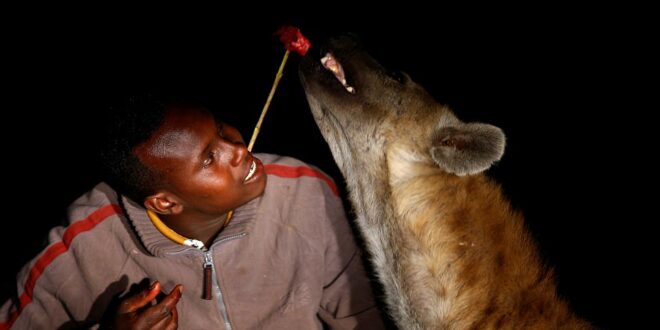
In recent times, communities have been grappling with the alarming rise in hyena attacks, with tragic incidents leaving residents on edge. The critical need for safety measures has become increasingly evident, leading experts to emphasize a unique approach: “Do Not Attack or Run, Talk to It.” This article delves into effective strategies to avoid hyena encounters and protect yourself in the event of such an encounter.
The recent tragedy involving the brutal mauling of 10-year-old Dennis Teya by a hyena has heightened concerns about community safety. Authorities are now urging residents to adopt a different approach when faced with a potential hyena threat.
Why “Do Not Attack or Run, Talk to It”?
Hyenas, although traditionally known as scavengers, have displayed aggressive behavior in recent times, prompting a reevaluation of conventional safety advice. The shift from instinctive reactions, such as attacking or running, to a more communicative approach reflects an understanding of hyena behavior and aims to minimize the risk of provoking an attack.
Key Safety Strategies:
- Stop Running, Stay Calm: Running may trigger hyenas’ predatory instincts. Instead, stop and remain calm. Panicking or making sudden movements can escalate the situation.
- Do Not Lie Down: Pretending to be dead is not an effective strategy. It might increase the hyena’s curiosity, leading to a more dangerous situation.
- Talk to the Hyena: Maintain a calm demeanor and communicate with the hyena. Speaking in a firm, assertive voice may help convey that you are not a threat.
- Face the Hyena: Rather than turning away, face the hyena. This action signals that you are aware of its presence and are not attempting to escape.
- Stand Your Ground: If the hyena growls or exhibits signs of aggression, stand your ground. Avoid moving closer, but do not retreat either.
- Make Noise: Be loud and assertive. Create a sense of intimidation by making noise, appearing larger, and asserting your presence.
While hyenas play a crucial role in the ecosystem, recent aggressive incidents have called for a reassessment of safety protocols. “Do Not Attack or Run, Talk to It” encapsulates a more nuanced and strategic approach to hyena encounters, emphasizing communication and assertiveness. By understanding and implementing these safety strategies, communities can better protect themselves from the rising threat of hyena attacks and foster coexistence with these vital members of the ecosystem.