The Lower Eastern Times Opening The Third Eye
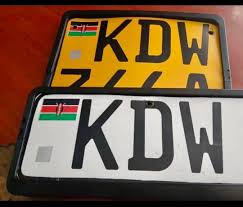
Kenyan vehicle number plates follow a distinctive colour system that often raises questions, especially among new drivers and visitors: why are the plates white at the front and yellow at the back?
The answer lies in road safety, vehicle visibility, and international best practices adopted by Kenya over the years.
Click here to join our WhatsApp Channel
Front number plates in Kenya are white with black lettering, while rear plates are yellow with black lettering. This design is intentional and regulated under Kenyan traffic laws to improve identification and enhance road safety.
Improved visibility and recognition
The primary reason for the difference in colour is visibility. White reflects light more effectively, making front plates easier to read during the day and at night when headlights from oncoming vehicles shine on them. This helps law enforcement officers, toll systems, and surveillance cameras quickly identify vehicles from the front.
On the other hand, yellow is highly visible in low-light conditions and against natural backgrounds such as roads, vegetation, and dust—common environments in many parts of Kenya. This makes rear plates easier to spot from a distance, especially at night when vehicles are being followed or tracked.
Traffic enforcement and safety
The colour distinction also helps traffic police and automated systems differentiate the direction a vehicle is facing. This becomes particularly useful in enforcement scenarios such as tracking speeding vehicles, identifying hit-and-run cases, or monitoring traffic violations using CCTV systems.
Rear plates being yellow make it easier for authorities to identify a vehicle moving away from them, while the white front plate is optimized for visibility when a vehicle approaches.
Historical influence and global practice
Kenya’s number plate system is influenced by international vehicle registration standards, particularly from the United Kingdom, which also uses a similar white-front, yellow-rear system. Many Commonwealth countries adopted or adapted this system due to its proven effectiveness in improving road safety and vehicle identification.
Click Here To Subscribe To Our YouTube Channel
Over time, Kenya standardized its own version of the system through regulations issued by transport authorities, ensuring consistency across all registered vehicles.

A simple but effective system
While it may appear like a minor design choice, the colour difference plays a significant role in everyday road safety and law enforcement. It helps improve visibility, reduces confusion, and supports modern surveillance systems used in traffic management.
In essence, Kenya’s white front and yellow rear number plates are not just for aesthetics—they are a carefully designed system aimed at making roads safer and vehicle identification more efficient.