The Lower Eastern Times Opening The Third Eye
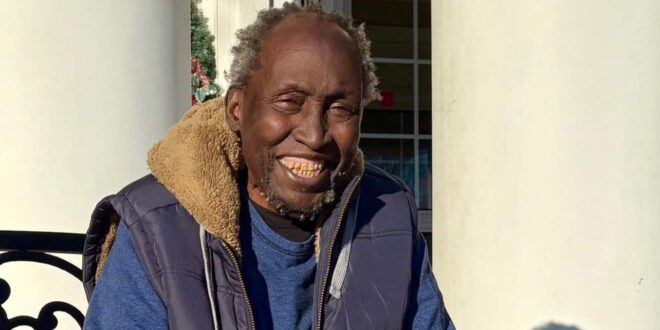
Acclaimed Kenyan writer and literary figure Ngugi wa Thiong’o has passed away at the age of 87 in the United States, his family has confirmed.
Click here to join our WhatsApp Channel
The celebrated author, widely regarded as East Africa’s foremost novelist, died on Thursday night in the U.S. after a prolonged illness, according to his daughter, Wanjiku wa Ngugi.
“With deep sorrow, we share the news that our father, Ngũgĩ wa Thiong’o, passed away on the morning of Wednesday, May 28, 2025. He lived a rich and purposeful life. As he wished, let us honor and celebrate his legacy. Rîa ratha na rîa thŭa. Tŭrî aira!” she posted on Facebook.
She added that further information regarding memorial plans will be shared soon by the family spokesperson, Nducu wa Ngugi.
Born on January 5, 1938, as James Ngugi, Ngugi wa Thiong’o was a trailblazing writer, playwright, academic, and essayist whose work profoundly shaped African literature and postcolonial discourse.
Initially writing in English, Ngugi later shifted to his native Gikuyu, becoming a leading proponent of linguistic decolonization in African storytelling.
He founded and edited the Gikuyu-language journal Mũtĩiri, and his short story The Upright Revolution: Or Why Humans Walk Upright has been translated into more than 100 languages.
In 1977, his political theatre work, especially the play Ngaahika Ndeenda (co-authored with Ngũgĩ wa Mĩriĩ), drew harsh government backlash. The production was banned, and Ngugi was detained for over a year. While imprisoned, he famously wrote Devil on the Cross on toilet paper. Amnesty International later recognized him as a prisoner of conscience. Following his release, he went into exile.
Ngugi’s academic career spanned prestigious universities such as Northwestern, Yale, and NYU, ultimately holding the role of Distinguished Professor of Comparative Literature and English at the University of California, Irvine.
He was frequently cited as a likely Nobel laureate and received numerous honors, including the International Nonino Prize (2001) and the Park Kyong-ni Prize (2016).
Ngugi leaves behind a powerful literary legacy and a family of writers, including his children Mukoma wa Ngugi and Wanjiku wa Ngugi.