The Lower Eastern Times Opening The Third Eye

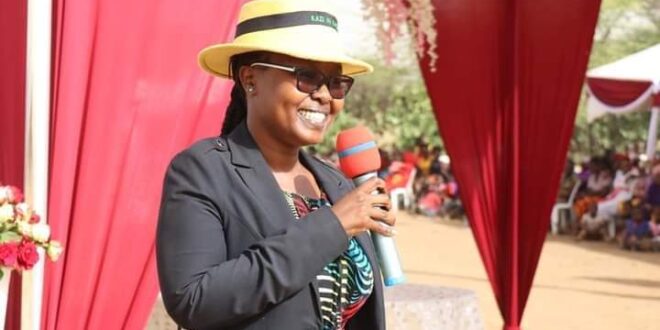
Baringo Woman Representative Flowrence Jematiah Sergon has voiced her skepticism about the effectiveness and sustainability of Kenya’s free education policy in public schools.
Click Here To Subscribe To Our YouTube Channel
In an interview on Spice FM, Jematiah questioned the real benefits of free primary and secondary schooling, emphasizing that it is financed entirely through taxpayers’ money—resources she argued could be used for other development priorities.
“You’re offering free education at the primary level, yet it’s still being funded by taxes—funds that should support broader national development,” she remarked.
Jematiah also raised concerns about the quality of education under the free model, suggesting that when education is offered at no cost, standards often drop.
“What is the outcome of this free education in terms of student quality? Do we truly get well-prepared learners? Usually, free services don’t guarantee quality,” she asserted.
Additionally, she criticized the extensive use of bursaries, claiming it erodes parental involvement in their children’s education.
“When we issue bursaries, many parents stop taking active responsibility. They no longer monitor their children’s academic progress,” she said.
Her comments come amid national concerns following the Treasury’s disclosure that only Sh16,900 is currently being allocated per student annually—falling short of the Sh22,244 capitation promise under the Free Day Secondary Education program.
Click Here To Subscribe To Our YouTube Channel
This Sh5,344 funding gap per learner means parents are now expected to cover the shortfall through additional school levies, development charges, and frequent fundraising efforts.

While appearing before the National Assembly’s Education Committee, Treasury CS John Mbadi admitted the government lacks the financial capacity to fulfill the full capitation commitment.
“We need to be honest. The budget can’t support Sh22,000 per learner. We don’t have the means to provide fully free education at both primary and secondary levels,” Mbadi stated.
He explained that due to high enrolment numbers, the government is only managing to disburse Sh16,900 per student, which has sparked outrage among MPs who now accuse the government of reneging on its pledge to fully fund basic education.