The Lower Eastern Times Opening The Third Eye
By: Mercy Sila
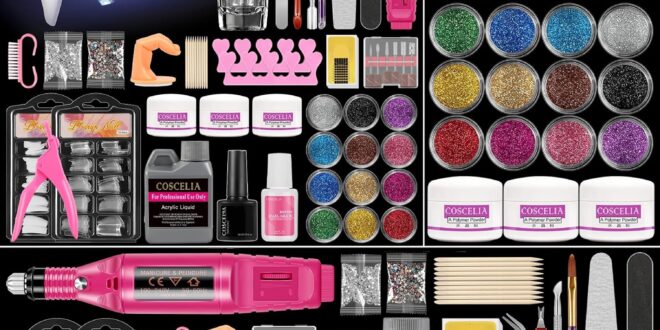
At dawn in Nairobi’s Gikomba market, 24-year-old Lydia Muthoni is already arranging wigs, nail kits, and skincare products. What began as a side hustle on Instagram has turned into her main source of income—supporting not only herself but also her siblings back home in Murang’a.
“I never thought selling wigs would pay my rent and keep my brother in school,” she says, her hands busy arranging stock. “But today, this is my full-time job.”
Lydia’s story mirrors that of hundreds of young Kenyan women who are rewriting the narrative of entrepreneurship. With formal job opportunities dwindling—youth unemployment stood at over 13% in 2023, according to the Kenya National Bureau of Statistics—many are turning to the beauty industry as a way of survival and empowerment.
From Side Hustles to Main Hustles
Across Nairobi, Mombasa, and smaller towns like Machakos, young women are finding creative ways to turn beauty into business. Social media has become their free marketing platform, with Instagram, TikTok, and WhatsApp groups serving as modern-day shopfronts.
For 22-year-old Sasha Nyambura, a university student in Thika, the pandemic was a turning point.
“During lockdown, salons were closed. I started doing nails for my neighbors. Soon, people were booking me through WhatsApp. By 2021, I had more clients than I could handle,” she recalls.
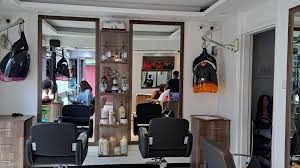
Today, Sasha runs a small home-based beauty parlor and dreams of opening a spa.
A 2024 report by Euromonitor projected that Kenya’s beauty and personal care market would grow by 6% annually, fueled largely by young women-led businesses.
Opportunities and Obstacles
Capital remains the biggest barrier. Many young women begin with as little as KSh 5,000, often borrowed from family or pooled savings groups.
“There are days I almost gave up,” Lydia admits. “Importing quality hairpieces is expensive. Sometimes, the products you buy turn out to be counterfeit. Customers don’t forgive that easily.”
According to economist Dr. Peter Muli, “The informal beauty sector is growing faster than regulation can keep up. But if well supported, it could create thousands of jobs and contribute significantly to the economy.”
Beyond Lipstick and Wigs
What makes this trend remarkable is not just the money, but the shift in mindset. For decades, beauty work was dismissed as “women’s casual hustle.” Today, it is transforming into a serious business model.
Non-governmental organizations are also noticing. Initiatives like the Ajira Digital Program and women’s business funds are beginning to provide training and seed funding to young entrepreneurs in this space.
For Sasha, it’s more than income. “When I make someone feel beautiful, I feel powerful too. I’m not just selling lipstick or doing nails—I’m selling confidence,” she says.
The Bigger Picture
The rise of women in the beauty business raises a bigger question: could these small ventures be part of Kenya’s solution to unemployment? With the right support—affordable loans, training, and regulation—the silent hustle of Lydia, Sasha, and many others could grow into a vibrant, formalized industry.
As Lydia arranges her last row of wigs before customers arrive, she looks up confidently. “This is not just a hustle anymore. This is my future.”