The Lower Eastern Times Opening The Third Eye
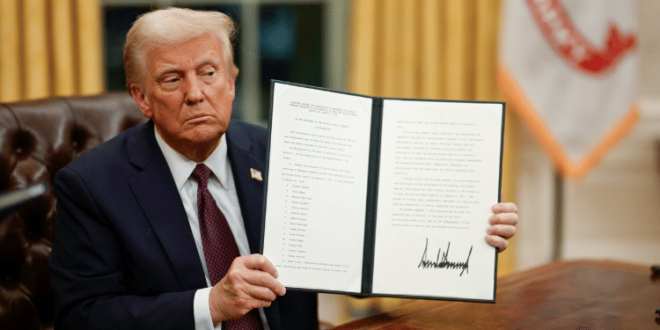
Thirty Kenyan businesses are in danger of shutting down after U.S. President Donald Trump ordered the cessation of funding from the United States Agency for International Development (USAID).
Click here to join our WhatsApp Channel
These companies have been supported by USAID’s Development Innovation Ventures (DIV), which has invested over $100 million in Kenyan entrepreneurs over the last decade to support innovations in sectors like agriculture, healthcare, and renewable energy.
With this funding now cut off, many of these promising startups are urgently seeking new sources of support.
Kenya, often referred to as “Silicon Savannah,” is a prominent hub for startups in Africa. In 2024, the country received about $638 million in venture capital funding. Over 30 Kenyan startups have benefited from USAID grants, receiving amounts between $500,000 and $6 million to help scale their operations.
Some of the companies funded include Pula Advisors, an insure-tech firm that offers insurance to smallholder farmers, which received a $1.5 million grant in 2023 to extend its coverage in Zambia and Kenya. Maisha Meds, a medical supply distribution platform, received $5.25 million to develop a distribution system for medical supplies. Additionally, electric bus company BasiGo was given $1.5 million to expand into Rwanda, and SolarGen Technologies was awarded $2.5 million to create solar-powered water purification systems.
Other companies, like Sanergy and Baisikeli Ugunduzi, also received smaller grants to support innovations in sanitation and clean energy.
These companies have used the USAID funds to grow and extend their operations beyond Kenya.
In addition to the USAID cut, there is also concern about the future of the International Development Finance Corporation (DFC), which has provided critical grants and loans to startups in Africa. Ilara Health, for example, received a $1 million loan from DFC in January to enhance its diagnostic platform, while other companies like M-KOPA and Twiga Foods have also benefited from DFC’s debt financing.
The loss of financial support could seriously impede the growth of early-stage African startups, potentially forcing many to close before they can establish their business models.
Trump signed an executive order on January 20, halting all foreign development aid for 90 days, stating that U.S. foreign aid efforts are not in line with American interests and often contradict American values. Following this, the U.S. State Department issued a directive on January 24 to reduce or end foreign aid, threatening the stability of vital grants for startups.