The Lower Eastern Times Opening The Third Eye
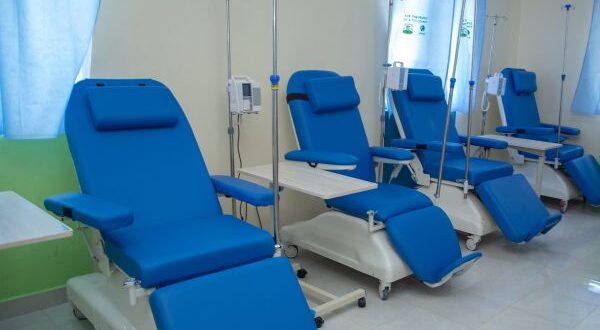
A recent study highlights significant gaps in cancer recognition and the management of oncological emergencies (OEs) in Kenya.
Researchers Omar Abdihamid, Fatuma Affey, Juliet Maina, and Christine Ngaruiya note that while Kenya has made progress in upgrading cancer care facilities, acute oncological emergencies still require urgent attention.
Click here to join our WhatsApp Channel
The study points out that conditions like spinal cord compression, febrile neutropenia, tumour lysis syndrome, and superior vena cava obstruction are common but often underdiagnosed or poorly managed in emergency settings.
Cancer has become a major health challenge in Kenya, ranking as the third leading cause of death, with over 44,000 new cases diagnosed annually.
Key challenges identified include shortages of trained healthcare workers, inadequate medical assessment, low prioritisation, financial burdens on patients, and limited OE-specific training.
Most existing research focuses on expanding cancer treatment facilities, while overlooking how acute oncological cases are handled. The study emphasizes that current studies largely address access and infrastructure rather than the clinical patterns and outcomes of emergency presentations.
The researchers call for national-level discussions to integrate OE management into cancer care centers through clinical guidelines, targeted training, strengthened referral systems, and broader insurance coverage.
“A timely and coordinated response to oncological emergencies can improve survival rates, reduce complications, and ensure equitable access to life-saving care across Kenya,” the study notes.
Despite the challenges, increasing national focus on cancer care provides hope for better access and improved outcomes.
On February 26, Health CS Aden Duale signed agreements aimed at strengthening treatment infrastructure and expanding oncology services to make care more affordable and accessible.
“These initiatives are designed to protect lives and safeguard public investments. By ensuring preventive maintenance and rapid technical support, we minimize delays caused by equipment failures,” Duale said.
As Kenya collaborates with partners in the healthcare system, the study underscores the urgent need to develop comprehensive OE treatment capabilities.