The Lower Eastern Times Opening The Third Eye
BY: AJWANG MERESA
For many farmers across Kenya, the year began with an unsettling stillness — not in the villages, but in the sky. The long-awaited rains failed to come, leaving the land parched and the air heavy with worry.
From Makueni to Bungoma, cracks spread across farmlands as hope slowly withered. Then, nature shifted.
In Nyatike, Migori County, Mzee Mambo — a veteran farmer whose hands told stories of decades in the soil — had nearly surrendered to despair. His granaries were bare, his cattle weak, and each sunset found him staring toward the horizon, murmuring quiet prayers for rain.
When it finally arrived, it came softly — a whisper of wind, gathering clouds, and then a cleansing downpour that rattled rooftops and kissed the thirsty earth.
READ ALSO: Hope Returns to Makueni as Farmers Gear Up for Long-Awaited Rains
Mzee Mambo stood beneath the rain, arms open, tears mixing with the raindrops. Around him, his grandchildren danced and laughed, while his wife brewed tea by the fire. Their home filled once again with warmth, gratitude, and a deep, unspoken peace.
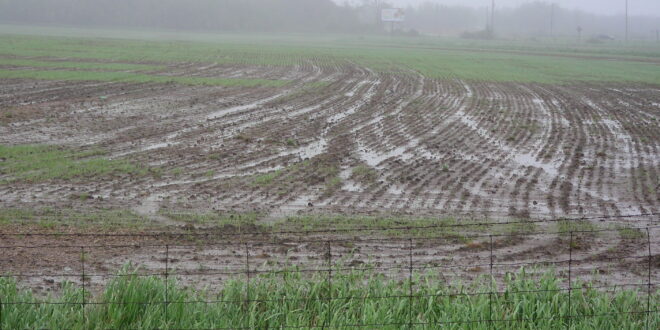
Across the country, similar scenes unfolded. The rain did not merely fall — it restored. Farmers rushed to plant, wells refilled, and brown fields slowly blushed green once more. For many, this was more than rainfall; it was a divine response to months of pleading.
“This rain has saved us,” shared Mama Atieno, a farmer in Siaya. “We can dream again.”
Yet, the challenges persist — flash floods, impassable roads, and the urgent race to sow before another dry spell. Still, each droplet renews belief and endurance.

For Kenya’s farmers, rain is not just a season. It is an answered prayer, a rebirth of the land, and a reminder that even the hardest droughts end.
Today, the rhythm of raindrops on iron sheets is more than a sound — it is the song of survival.

Written by Ajwang Meresa a journalist Student at Mount Kenya University