The Lower Eastern Times Opening The Third Eye

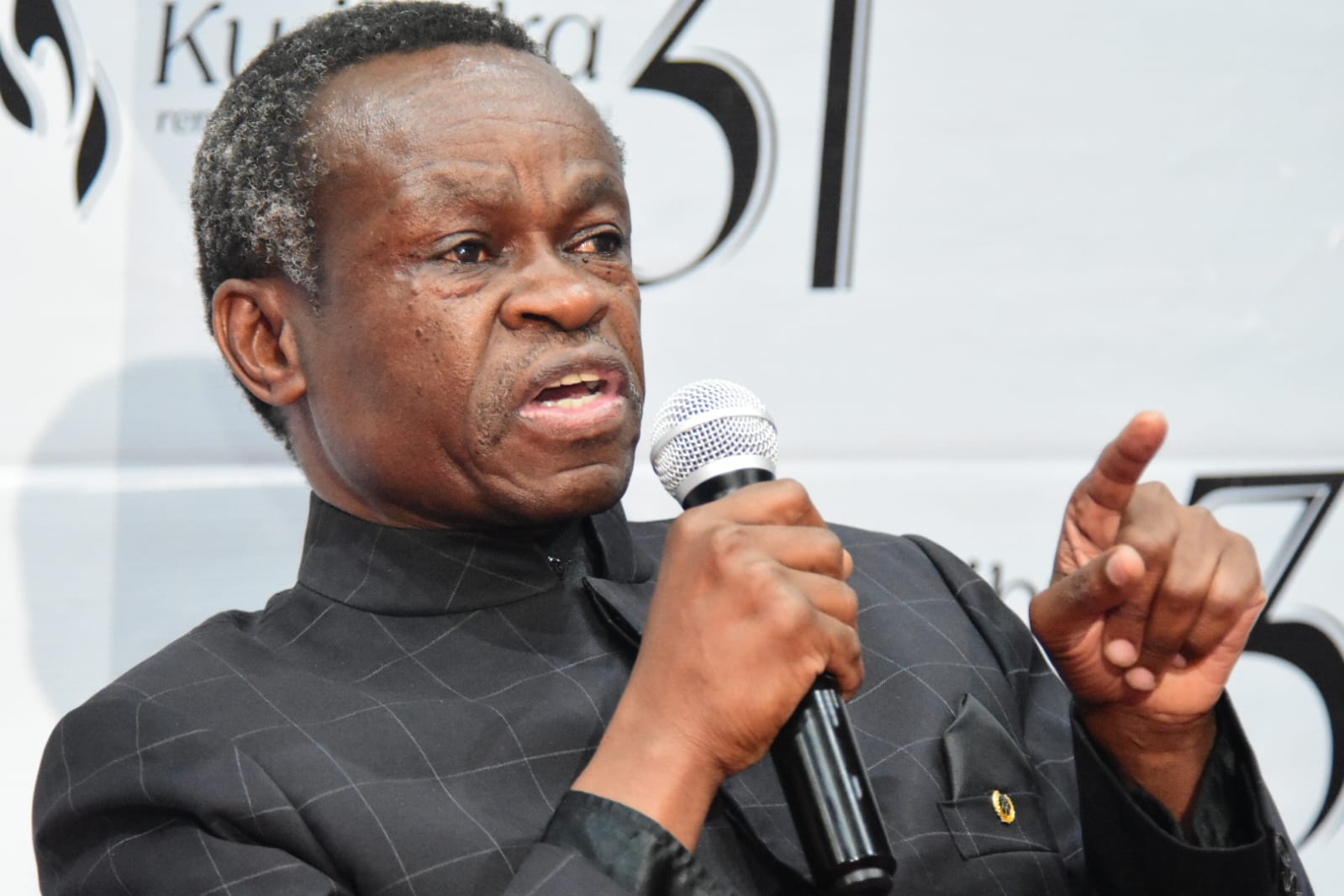
Renowned lawyer, scholar and orator Prof P.L.O. Lumumba walked off the stage during a conference in Kisumu after being asked to suspend his address to allow Kisumu Governor Anyang’ Nyong’o to enter the venue.
The incident occurred during the 18th TICH Annual Scientific Conference at the Mama Grace Onyango Cultural and Social Centre in Kisumu.
Lumumba was delivering a keynote address on Africa’s continued difficulties in accessing important research and academic materials when organisers interrupted him to accommodate the governor’s arrival.
Lumumba questioned why his presentation had to be put on hold simply because the governor had arrived.
He argued that the interruption illustrated the very challenges facing Africa, particularly the tendency to place political figures and protocol above substantive intellectual discussions.
The visibly displeased scholar said the governor was aware of the scheduled conference but had nevertheless arrived while proceedings were underway.
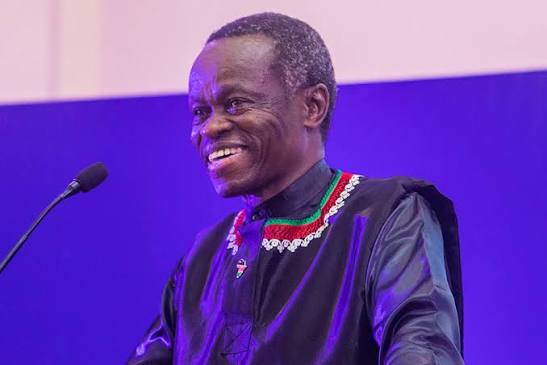
Although Lumumba initially indicated that he would stop his presentation, he subsequently left the microphone and walked off the stage as Nyong’o was being welcomed and greeted attendees.
A video of the incident has since gained attention online, sparking broader discussions about political protocol, VIP culture and the treatment of academic and intellectual spaces in Kenya.
The episode has also revived debate over a long-standing practice in which events are sometimes interrupted to accommodate senior political leaders, even when they arrive after programmes have begun.
In many public functions, the arrival of a senior politician is accompanied by formal introductions, acknowledgements and pauses in proceedings. Critics, however, argue that such practices can elevate political status above the purpose of the event.
Lumumba’s reaction has been interpreted by some observers as a rejection of a culture in which politicians are given preferential treatment at the expense of scheduled programmes and professional engagements.
Supporters of his decision argued that a scientific conference should prioritise research, knowledge and intellectual debate rather than political hierarchy.
Some also contended that late-arriving officials should respect the programme by quietly taking their seats instead of requiring speakers to stop mid-presentation.
One social media user, Benta Owino, criticised the practice of treating politicians as superior figures, arguing that Lumumba’s educational address should not have been interrupted because a governor had arrived.
Another commentator said Nyong’o, himself an academic, should have demonstrated respect for time and the conference programme by arriving early and taking his seat before the lectures began.
A third observer described Lumumba’s walkout as the main lesson from the incident, saying academic programmes should take precedence over political patronage and that a late-arriving governor should not expect proceedings to stop for his arrival.
While political protocol often requires public officials to receive formal recognition at events, the Kisumu incident has raised questions about the limits of such courtesy and whether it should disrupt ongoing academic or intellectual discussions.