The Lower Eastern Times Opening The Third Eye

By: Bridgit Steveness, Mount Kenya University.
The teaching and learning environment in many institutions is undergoing significant change, largely driven by the rapid growth of technology. While these tools have improved access to information, they have also introduced new challenges that are affecting how students engage with their studies.
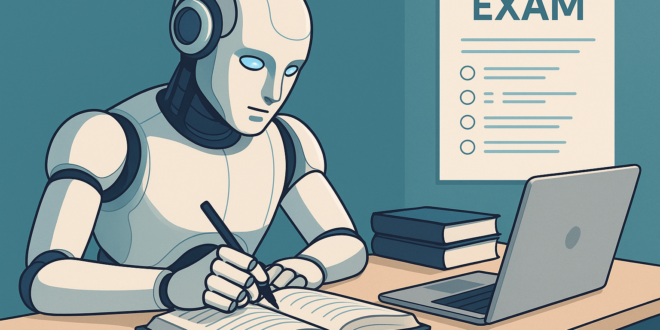
One of the most notable concerns is the increasing reliance on digital tools to complete academic work. Instead of independently researching and developing their understanding, some students tend to depend heavily on online platforms to generate answers.
Click here to join our WhatsApp Channel
This practice raises questions about the development of critical thinking and problem-solving skills, which are central goals of education.
For educators, this shift has created difficulties in assessing genuine learning. Assignments that are meant to reflect a student’s personal effort sometimes appear to show limited originality, making it harder for teachers and lecturers to evaluate true comprehension of the subject matter.
At the same time, it is important to recognize that technology itself is not the problem. When used appropriately, digital tools can enhance learning by providing access to wider resources, improving creativity, and even supporting students in developing new skills such as content creation and digital communication.
Click Here To Subscribe To Our YouTube Channel
The challenge, therefore, lies in how technology is used within learning environments. Rather than replacing independent thought, it should complement it. This calls for stronger guidance from educators on academic integrity and responsible use of digital tools, as well as a commitment from students to engage more actively in their own learning process.

Institutions and policymakers also have a role to play in addressing this issue. Instead of limiting technology use entirely, the focus should be on developing clear frameworks that encourage ethical use while preserving the quality of education.
Ultimately, the future of learning will depend on finding a balance between innovation and academic discipline. When used responsibly, technology can support education—but it cannot replace the value of independent thinking and effort in the learning process.