The Lower Eastern Times Opening The Third Eye
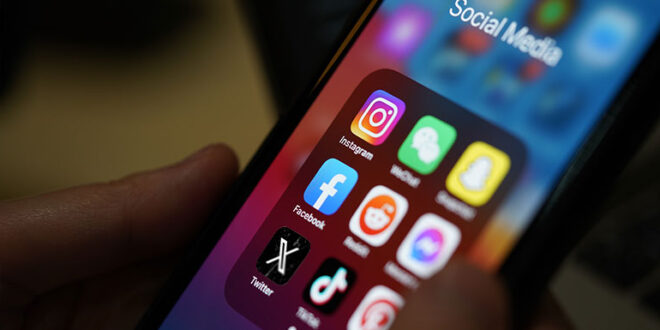
French lawmakers have approved a bill that would prohibit children under the age of 15 from using social media, a policy strongly supported by President Emmanuel Macron as part of efforts to curb excessive screen exposure among young people.
The National Assembly passed the proposal by 130 votes to 21 following an overnight debate that ran from Monday into Tuesday. The bill will now be reviewed by the Senate before it can be enacted into law.
Click here to join our WhatsApp Channel
Reacting to the vote on X, President Macron described the move as a “major step” toward safeguarding children and teenagers in France.
If adopted, the law would also introduce a ban on mobile phones in high schools, making France the second country after Australia to impose such restrictions, following Australia’s under-16 social media ban in December.
Growing concerns over the impact of addictive algorithms and prolonged screen time on children’s development and mental health have driven the legislation.
In a video message aired on Saturday, Macron said children’s emotions should not be exploited or manipulated by foreign digital platforms and algorithms.
Authorities aim to implement the measures at the start of the 2026 school year in September, initially applying them to new accounts.
Gabriel Attal, a former prime minister and current leader of Macron’s Renaissance party in the National Assembly, said he hopes the Senate will approve the bill by mid-February so it can take effect on September 1. He added that social media companies would then be required to deactivate existing underage accounts by December 31.
The European Commission said France has the right to introduce such a ban but noted that enforcement would fall under EU authority, provided the law aligns with European regulations. Commission spokesperson Thomas Regnier said the EU would be responsible for ensuring platforms introduce effective age-verification systems.

Attal said the proposal is not only about protecting young people’s mental health but also about resisting outside influences that seek to shape opinions through social media. He added that the move could help strengthen France’s independence and future.
France’s public health agency, ANSES, recently warned that platforms such as TikTok, Snapchat and Instagram can negatively affect adolescents, especially girls, citing risks like cyberbullying and exposure to violent content, though it said social media is not the sole cause of declining mental health.
The bill clearly states that access to social networking services would be banned for children under 15, while excluding educational platforms and online encyclopedias.
For the ban to work, a reliable age-verification system would be required, with related efforts currently underway at the European level.

Critics, including hard-left MP Arnaud Saint-Martin, have described the proposal as overly simplistic and a form of digital overreach. Some child protection groups have also argued that platforms should be regulated more strictly rather than banning children outright.
Despite the criticism, Macron has continued to support both the social media restrictions and limits on phone use in schools. France previously banned mobile phones in middle schools in 2018.
Former prime minister Elisabeth Borne, however, expressed doubts about the plan, saying enforcement challenges must first be addressed before expanding such bans.