The Lower Eastern Times Opening The Third Eye

By: Patrick Karanja, Jewel Technical College
Deep within the slopes of Mount Elgon lies a cave so mysterious that even experienced explorers approach it with caution. This is Kitum Cave, a natural wonder shrouded in darkness, unusual wildlife activity, and scientific intrigue. It has fascinated both locals and researchers for decades.
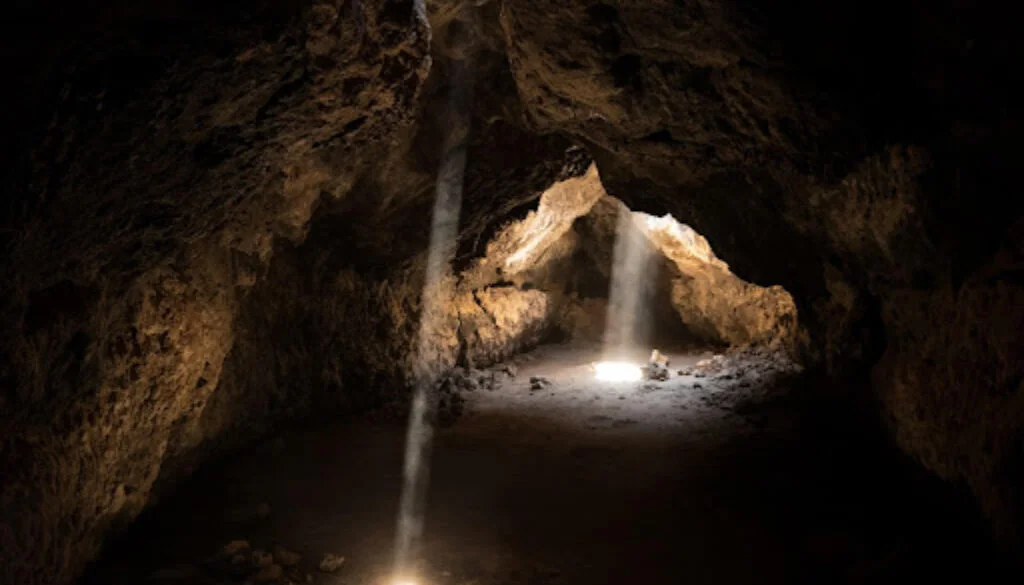
At first glance, Kitum Cave looks like any other mountain opening. But as you approach, the air becomes cooler, carrying a stillness that is hard to describe. Inside, the darkness is profound, absorbing light and muffling sound. Visitors often report a strange sense of being watched, though the source is unseen.
Click here to join our WhatsApp Channel
What makes Kitum Cave particularly unique is how it was formed. Unlike many caves carved over millennia by water, Kitum Cave has been shaped in part by animals. Elephants regularly enter the cave at night, scraping salt-rich rocks from the walls with their tusks. The presence of these massive animals in near-total darkness adds an eerie atmosphere to the cave.
However, the cave’s most significant danger is invisible. Kitum Cave gained international attention after being associated with the Marburg Virus Disease, a rare but highly lethal virus related to Ebola. Several people who entered the cave contracted the disease, prompting scientific investigations. Researchers identified bats inhabiting the cave as natural hosts of the virus, making the environment potentially hazardous for humans.
Despite scientific study, many questions remain. Why has this cave become a source of deadly viruses? What remains hidden in its deeper passages? The interior of the cave is still largely unexplored, with darkness and complex terrain limiting detailed investigation.
For local communities, Kitum Cave has long been a place of stories and caution. Some believe it is inhabited by spirits or carries a curse for those who enter without respect. While these claims are part of folklore, they have the practical effect of keeping many people away.

Beyond its biological risks, the cave also challenges human perception. The combination of silence, distant echoes, and fluttering bats can create an unnerving experience. The darkness disorients, the air feels heavy, and every step forward emphasizes the unknown.
Today, Kitum Cave remains one of Kenya’s most intriguing and cautionary natural sites. It is a reminder that while science can explain some of its mysteries, there are still places on Earth that resist complete understanding — and some dangers are best approached with care.