The Lower Eastern Times Opening The Third Eye


Three mourners killed when police opened fire at the national farewell for former Prime Minister Raila Odinga were nowhere near the scuffles that triggered the gunfire, a BBC Africa Eye investigation has found.
The three were shot dead on 16 October 2025 at Nairobi’s Kasarani Stadium, where people had gathered to pay their last respects. The shooting followed attempts by some mourners to force their way into the VIP section. BBC analysis from inside the stadium places the victims between at least 60 metres and 160 metres from the confrontation. The team reviewed more than 1,500 images and videos to establish where each was standing and also spoke to relatives.
Click here to join our WhatsApp Channel
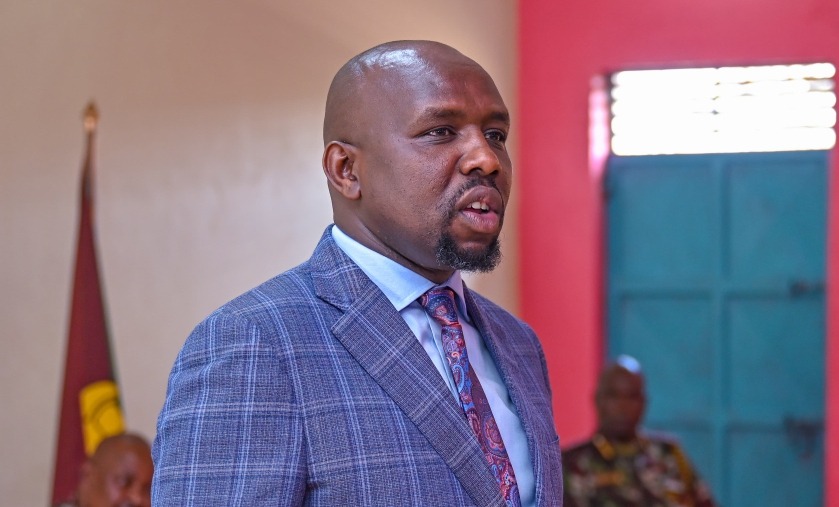
Interior Cabinet Secretary Kipchumba Murkomen told the BBC that police acted with restraint after the crowd began throwing stones. The BBC said footage shows objects, including plastic chairs, being thrown, but it found no evidence of stones.
Forensic analysis suggests an elite police unit responsible for protecting the president may have fired the fatal shots. The BBC identified at least eight officers operating together in tactical clothing and military camouflage, carrying assault rifles with no visible insignia and with their faces covered. At least three appeared to fire their weapons, and the BBC linked all three to the presidential protection unit. It said, however, that it could not establish which bullets killed each victim and could not rule out other officers firing inside the stadium.
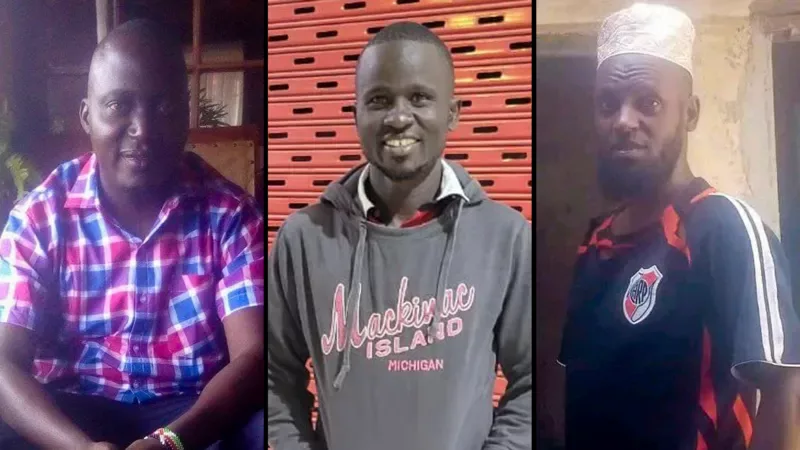
The dead were Evans Kiche, a 40-year-old chef and father of seven, who was about 60 metres from the confrontation and died of a gunshot wound to the head; Vincent Ogutu, 36, a father of three, who died of a chest wound; and Jidah Burka, 42, who was shot in the head. Ogutu and Burka were at least 160 metres away, in the opposite stands.
Odinga died at 80 on 15 October while receiving treatment in India. His body was originally due to lie in state at Parliament, but the size of the crowds and security fears forced a last-minute move to Kasarani, a 48,000-capacity venue that officials say they had little time to secure. Thousands spilled onto the pitch and into the stands unchecked. After hours of waiting in 30C heat with no public address system, a small section of the crowd began throwing objects at officers guarding the VIP pavilion, and police fired live rounds as mourners pushed forward. Footage from elsewhere in the stadium shows the wider crowd remained largely peaceful.
Murkomen defended the officers, saying they were under immense pressure after working for many hours without rest and had been redeployed to a new venue at short notice. He said he did not believe anyone had given an order to shoot, calling it the judgment of an officer in the moment. He said the findings of the Independent Policing Oversight Authority (IPOA) would guide any legal action.
A year on, IPOA is still investigating and no one has been held to account. The agency did not respond to the BBC’s request for comment. The National Police Service said the day’s events held “huge lessons” and had been a learning curve for more professional conduct in future.
Yvonne Akinyi, Ogutu’s widow, said the people meant to protect citizens were the ones who left young widows and orphans. Her husband had not planned to attend, she said, but joined friends who saw crowds heading to the stadium. “Deep inside there is a hole,” she said, as she prepares to mark a year since his death.