The Lower Eastern Times Opening The Third Eye

A recent international tender inviting bids for long leases of state-owned sugar companies has been temporarily halted by the High Court.
Justice Chacha Mwita issued an order suspending the tender, which was advertised by the Ministry of Agriculture on January 16, following an urgent application.
The decision to halt the tender came after Mr. Martin Nyongesa Barasa, describing himself as a public-spirited citizen, argued that the process lacked proper consultation with the public. He emphasized the importance of public participation in such matters, asserting that all sovereign power belongs to the people.
In his application, Barasa contended that the government’s move to lease out publicly controlled sugar companies without public input violated the right to public participation, legitimate expectation, and fair administrative action. Justice Mwita certified the case as urgent and directed the ministries of Agriculture and Treasury to respond within seven days.
The interim order issued by the judge effectively suspends the tender process until April 19, pending further court proceedings. Barasa expressed concerns that if the court did not intervene, the government would proceed to lease the sugar companies without proper public consultation.
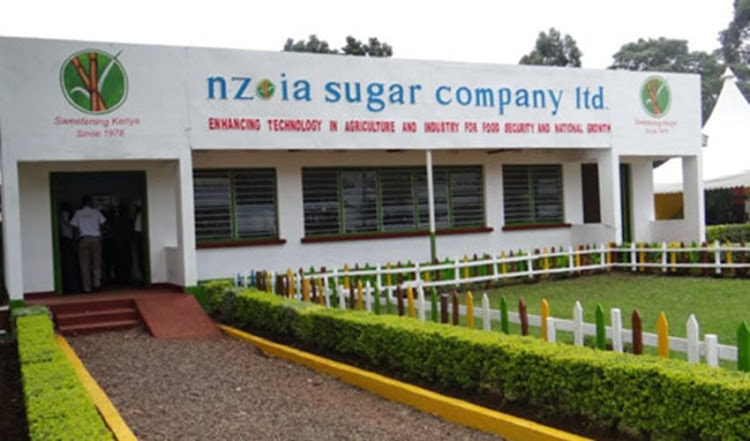
He highlighted a letter from the Ministry of Treasury, dated January 8, instructing the managing directors of Nzoia Sugar Company, Chemelil Sugar Company, and South Nyanza Sugar Company Ltd to pass resolutions authorizing the ministry to undertake the procurement of leases for the respective companies.
Barasa argued that such actions were carried out without adequate notice, reasons provided in writing, or the opportunity for public input, thereby violating the right to fair administrative action as enshrined in Article 47 of the Constitution.
Moreover, Barasa criticized the Ministry of Agriculture for allegedly overstepping its authority by directing the boards of the sugar companies to pass resolutions without proper legal basis. He asserted that such actions amounted to an abuse of delegated sovereign power.
The petitioner further highlighted the tight timeframe within which the board meetings were convened, indicating that the process lacked transparency and violated constitutional provisions.
The court’s intervention underscores the importance of adhering to due process and ensuring public participation in decisions affecting significant public assets. As the legal proceedings unfold, stakeholders await further developments regarding the future of the state-owned sugar companies.