 The Lower Eastern Times Opening The Third Eye
Related Articles



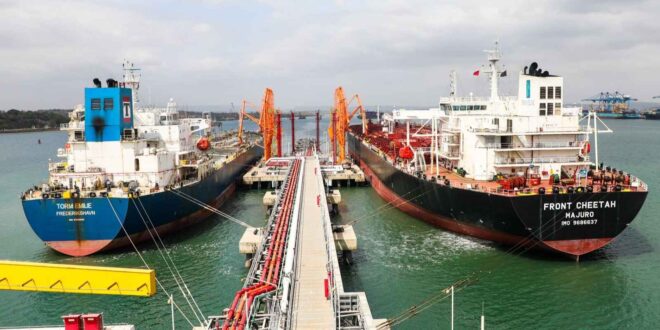
Kenyan taxpayers are facing a possible Ksh.3.2 billion compensation bill following the cancellation of a multi-billion shilling fuel shipment contract just hours before the cargo was due to dock at the Port of Mombasa.
The Senate Energy Committee has launched investigations into how the contract was awarded and later abruptly cancelled, amid concerns over potential financial exposure and broader fuel supply risks.
Click here to join our WhatsApp Channel
The dispute centres on a 96,000-metric-tonne fuel consignment that never reached the market but may still attract hefty damages claims.
During Senate hearings, officials from the Kenya Pipeline Company and Oryx Energies were questioned over the circumstances surrounding the deal.
Oryx Energies Managing Director Angeline Maangi told lawmakers that the cargo was already en route when the cancellation was made, leaving the company exposed to significant costs.
She said the damages, including demurrage and related charges, amount to about $25 million (approximately Ksh.3.2 billion), arguing that pricing reflected global market conditions at the time of supply disruptions.
However, senators expressed skepticism over the procurement process, questioning why the deal was priced significantly higher than government benchmarks and why it was cancelled at such a late stage.
Boni Khalwale and Ledama Olekina raised concerns over transparency in fuel procurement and the lack of clarity on national fuel stock levels.

In response, Pius Mwendwa said the country does not currently maintain a 90-day strategic fuel reserve and acknowledged limitations in disclosing stock levels held by individual oil marketing companies due to confidentiality agreements.
He noted that while Kenya Pipeline Company holds fuel in its depots, broader policy decisions are needed to establish a national reserve system.
The Senate committee, led by Oburu Oginga, has pledged to continue investigating why the shipment was flagged at a point when cancellation could still trigger costly legal consequences.
The matter remains under review as concerns grow over potential financial losses and fuel supply vulnerabilities.
