 The Lower Eastern Times Opening The Third Eye
Related Articles



Kenyans observe two major national holidays each year—Madaraka Day and Jamhuri Day—both highlighting key moments in the country’s progress toward independence and self-rule.
Although patriotic in nature, the two commemorate different stages of Kenya’s freedom journey.
Click here to join our WhatsApp Channel
Madaraka Day, marked on June 1, celebrates the moment in 1963 when Kenya gained internal self-governance from British colonial rule. The word madaraka means “power” or “authority” in Swahili, reflecting the transfer of administrative control to Kenyan leaders for the first time, even though the nation was still technically under British colonial status.
Jamhuri Day, observed on December 12, honours the year 1964 when Kenya became a fully independent republic. Jamhuri, meaning “republic” in Swahili, signifies the country’s complete sovereignty. This day represents the end of colonial ties, the establishment of the presidency, and Jomo Kenyatta’s transition from Prime Minister to Kenya’s first President.
In essence, Madaraka Day marks the initial step toward independence, while Jamhuri Day celebrates the achievement of full nationhood. Both are commemorated with parades, cultural events, and official addresses.
Historical Background and Importance
Kenya’s road to independence was shaped by decades of colonial rule, resistance, and political negotiations. The liberation struggle included contributions from both well-known leaders and ordinary citizens. Key figures such as Jomo Kenyatta, Tom Mboya, Oginga Odinga, and Dedan Kimathi were central to the country’s push for freedom and political autonomy.
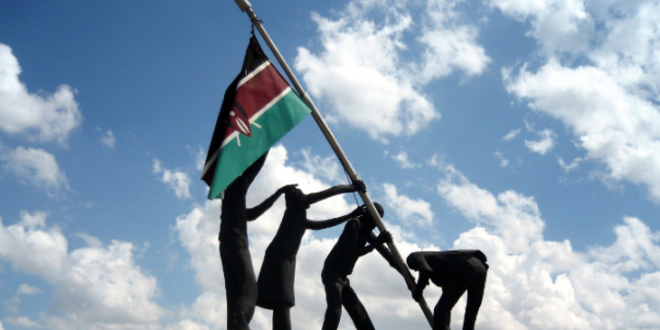
Madaraka Day represents a crucial moment when Kenyans began governing themselves, laying the groundwork for full independence. Jamhuri Day marks the successful conclusion of that long struggle and celebrates the birth of a sovereign state, symbolising unity, national pride, and self-determination.
Modern-Day Celebrations and National Reflection
Today, both holidays are moments for national reflection and celebration. Schools, government bodies, and communities organise activities that promote patriotism and highlight Kenya’s heritage. Kenyan flags displayed across homes, public buildings, and roads serve as visible reminders of the country’s journey and achievements.
Jamhuri Day has evolved into a platform for showcasing progress in sectors such as tourism, wildlife conservation, and business innovation, as seen during the 62nd celebrations at Nyayo Stadium. While Madaraka Day recalls the struggle to gain authority, Jamhuri Day underscores the responsibility of maintaining a sovereign nation. Both remind citizens that freedom requires ongoing commitment to good governance and unity.

This year’s Jamhuri Day thematic celebrations, held from December 8–11, 2025, focused on “Tourism, Wildlife, Meetings, Incentives, Conferences and Exhibitions (MICE).” Government spokesperson Isaac Mwaura noted that the programme aimed to strengthen Kenya’s position as a global tourism and MICE destination by improving competitiveness through enhanced event bidding, investment in infrastructure, and promotion of key national events.

He highlighted the role of the sector in supporting aviation, hospitality, retail, and the wider economy. Kenya’s growing hotel capacity, strong connectivity, digital infrastructure, and venues such as the KICC were showcased as major strengths.
The week featured youth mentorship sessions, cultural displays, fashion shows, traditional dances, panel discussions, and the lighting of the KICC tower. A holiday booking desk was also launched to encourage domestic tourism. Events concluded with the release of the Wildlife Census Report and a town hall meeting, reinforcing the value of cultural and wildlife tourism to Kenya’s global identity.