 The Lower Eastern Times Opening The Third Eye
Related Articles


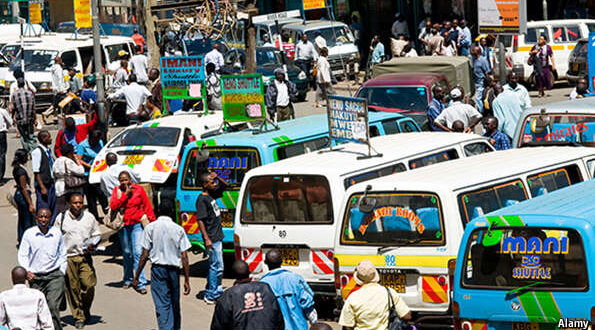
The matatu industry has raised concerns over mounting financial losses caused by ongoing protests in Nairobi and other major towns, warning that continued unrest could push many investors—especially those servicing loans—into default and risk of repossession.
Click here to join our WhatsApp Channel
According to the Matatu Owners Association (MOA), Tuesday’s protests in Nairobi alone resulted in a 40% drop in the sector’s earnings. The demonstrations, which also led to the vandalism of several businesses and market stalls, dealt a major blow to daily operations.
MOA estimates that with around 25,000 matatus operating daily in the capital—most of them 33-seaters and larger—each earning an average of KSh15,000, the industry generates approximately KSh375 million daily or KSh11.2 billion monthly in Nairobi. Based on these figures, Tuesday’s losses are estimated at around KSh150 million.
“Many of us have loans to repay and failed to meet our obligations due to the disruptions,” said MOA President Albert Karakacha.
He urged the government to initiate a national dialogue involving all stakeholders, including religious leaders, the business community, and political leaders, to prevent further instability.
Karakacha also condemned the looting and destruction of property during the protests, attributing it to criminals who took advantage of the unrest.
He emphasized that the matatu sector is a major employer, supporting over two million Kenyans through both direct and indirect jobs—ranging from drivers and conductors to mechanics and service providers.
Nationally, around 60,000 matatus and buses operate on a regular day, collectively generating about KSh900 million daily and KSh27 billion monthly. Annually, the sector contributes more than KSh300 billion to the economy.
A report by Deloitte highlighted the critical role of matatus in urban mobility, noting that 70% of Nairobi’s population relies on them for transportation due to the absence of an efficient public transit system.
Tensions were further inflamed by Tuesday’s fatal shooting of a mask vendor by a police officer in broad daylight during the Nairobi protests.
The demonstrations were sparked by public outrage over the death of teacher and blogger Albert Ojwang’, who died in police custody on June 8, a day after his arrest at his Homa Bay home.
