The Lower Eastern Times Opening The Third Eye
Related Articles



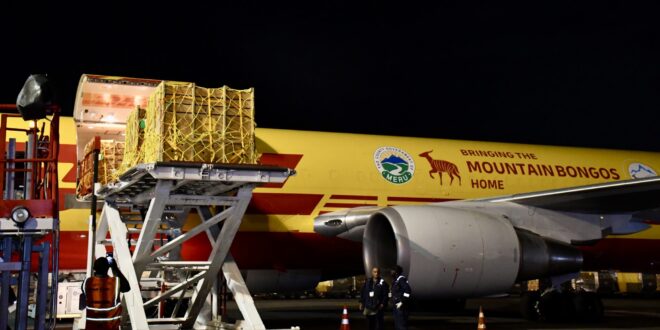
Kenya has received 17 mountain bongos from the Rare Species Conservatory Foundation (RSCF) in Florida, USA, marking a significant achievement in wildlife conservation.
Click here to join our WhatsApp Channel
These critically endangered antelopes’ arrival is a major step in efforts to restore their population in Kenya, the only country where they naturally reside.
The mountain bongo, a rare subspecies of antelope, once flourished in Kenya’s highland forests, but its numbers have drastically fallen due to habitat destruction, poaching, and disease. With fewer than 100 remaining in the wild, this repatriation effort is vital for ensuring their survival.
This initiative is part of Kenya’s National Recovery and Action Plan for the Mountain Bongo, which aims to increase their population to 750 over the next 50 years. It is a collaborative effort involving the Kenya Wildlife Service (KWS), DHL, Kenya Veterinary Services, the Meru County Government, the Meru Bongo and Rhino Conservation Trust (MBRCT), Lewa Wildlife Conservancy, and RSCF.
The 17 bongos—12 females and five males—will establish a founding population at the Marania and Mucheene sanctuary in Meru County. The sanctuary, developed in partnership with local communities, will serve as a breeding and rewilding hub, with the goal of eventually reintroducing bongos into their natural habitat.
At the welcoming ceremony at Jomo Kenyatta International Airport (JKIA) in Nairobi, Tourism and Wildlife Cabinet Secretary Rebecca Miano celebrated the initiative as a key moment in Kenya’s conservation journey.
“The return of these mountain bongos is not just a conservation success; it is a symbol of hope and renewal for Kenya’s biodiversity. This initiative demonstrates what can be achieved when we collaborate—across borders, disciplines, and communities,” she said.
Kenya Wildlife Service Director General Prof. Erustus Kanga emphasized that the project aligns with KWS’s Strategic Plan 2024-2028.
“This initiative highlights our commitment to biodiversity conservation, community involvement, and partnerships. It’s proof of what we can accomplish through collaboration in conservation,” he stated.
Beyond conservation, the Marania and Mucheene sanctuary is expected to bring economic benefits to local communities through tourism, employment, and skill-building, fostering a sense of responsibility for Kenya’s natural heritage.

Once the bongos arrived, they were transported to the sanctuary, where they will be placed in an isolation facility for at least three months. During this time, they will be monitored closely and adjusted to their new environment, with RSCF experts providing guidance.
The repatriation of these mountain bongos highlights the importance of conservation and teamwork. KWS and its partners have called on stakeholders—including the government, private sector, communities, and international allies—to continue supporting efforts to protect Kenya’s wildlife.
About the Mountain Bongo
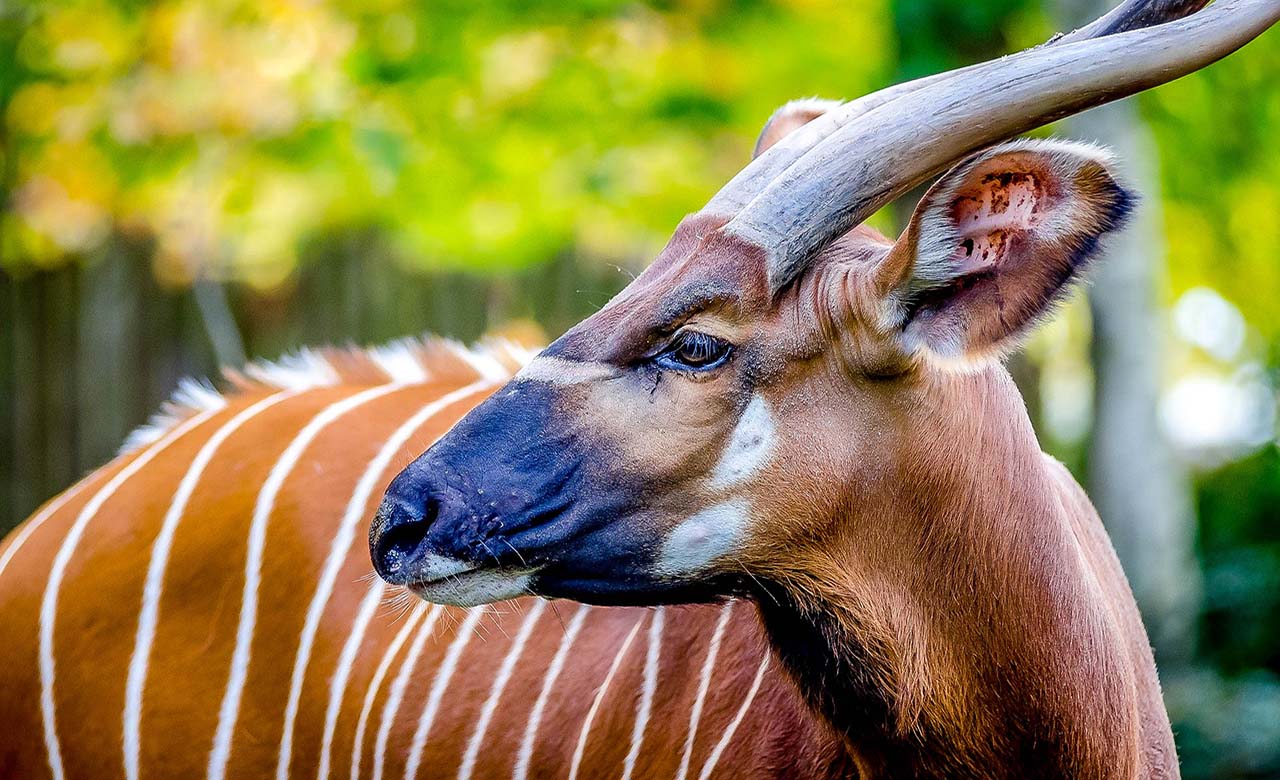
The mountain bongo (Tragelaphus eurycerus isaaci) is a critically endangered subspecies of the bongo antelope found only in Kenya. It is known for its reddish-brown coat and distinctive white stripes, and plays a vital role in maintaining the balance of Kenya’s highland forest ecosystems.