The Lower Eastern Times Opening The Third Eye


Uber has announced that it is ending its operations in Nigeria and Uganda, bringing its services in the two markets to an immediate close from September 2, 2026.
In a statement issued on Wednesday, September 2, an Uber spokesperson said the company reached the decision following a comprehensive review of its operations in both countries.
“After a thorough review, we have taken the difficult decision to wind down operations in Nigeria and Uganda, effective September 2, 2026,” the company said.
Uber stressed that the withdrawal was limited to Nigeria and Uganda and did not represent a wider exit from Africa.
The company said its priority during the transition would be to support drivers, riders and local employees affected by the shutdown.
Uber also clarified that its decision to leave Nigeria was unrelated to a recent directive by the Federal Airports Authority of Nigeria (FAAN) concerning e-hailing services at airports.
Following the shutdown, rider support will remain available for 21 days to address outstanding concerns and assist customers with the transition.
The company said customer data would continue to be managed in line with relevant privacy laws, data protection regulations and Uber’s internal policies.
Uber added that it would retain information only for as long as legally necessary, maintain appropriate security measures and comply with continuing legal requirements and data requests.
The move comes several months after Uber withdrew from Tanzania, ending its operations there after years in the market.

Uber informed Tanzanian customers that its services would cease from January 30, 2026, apologising for the inconvenience caused by the decision.
The company also reflected on its time in Tanzania, particularly its contribution to daily transportation in Dar es Salaam, while thanking customers for their support.
In Nigeria, Uber’s departure marks a significant development for the country’s digital transport sector, where the platform has operated amid persistent challenges.
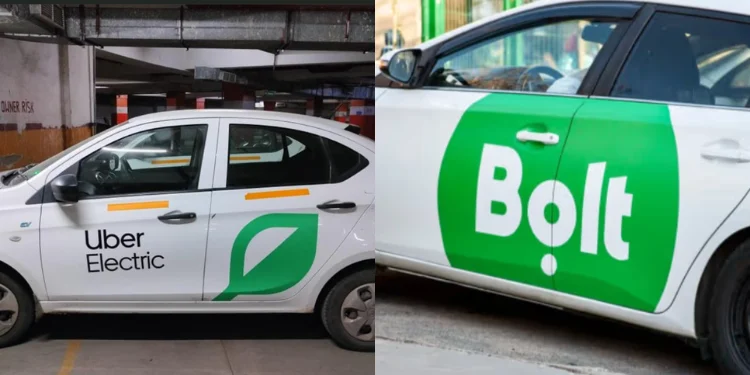
The company estimated in 2023 that its platform generated an additional NGN 6.1 billion (approximately KSh 1.2 billion) in annual earnings for Nigerian drivers compared with traditional alternatives.
However, drivers have repeatedly raised concerns over the rising cost of fuel, vehicle maintenance and platform commissions, which they say can reach between 25% and 30%.
In March, hundreds of Lagos drivers staged a three-day strike to protest what they described as low fares and high commissions. The drivers temporarily stopped working on platforms including Uber, Bolt and inDrive.