The Lower Eastern Times Opening The Third Eye


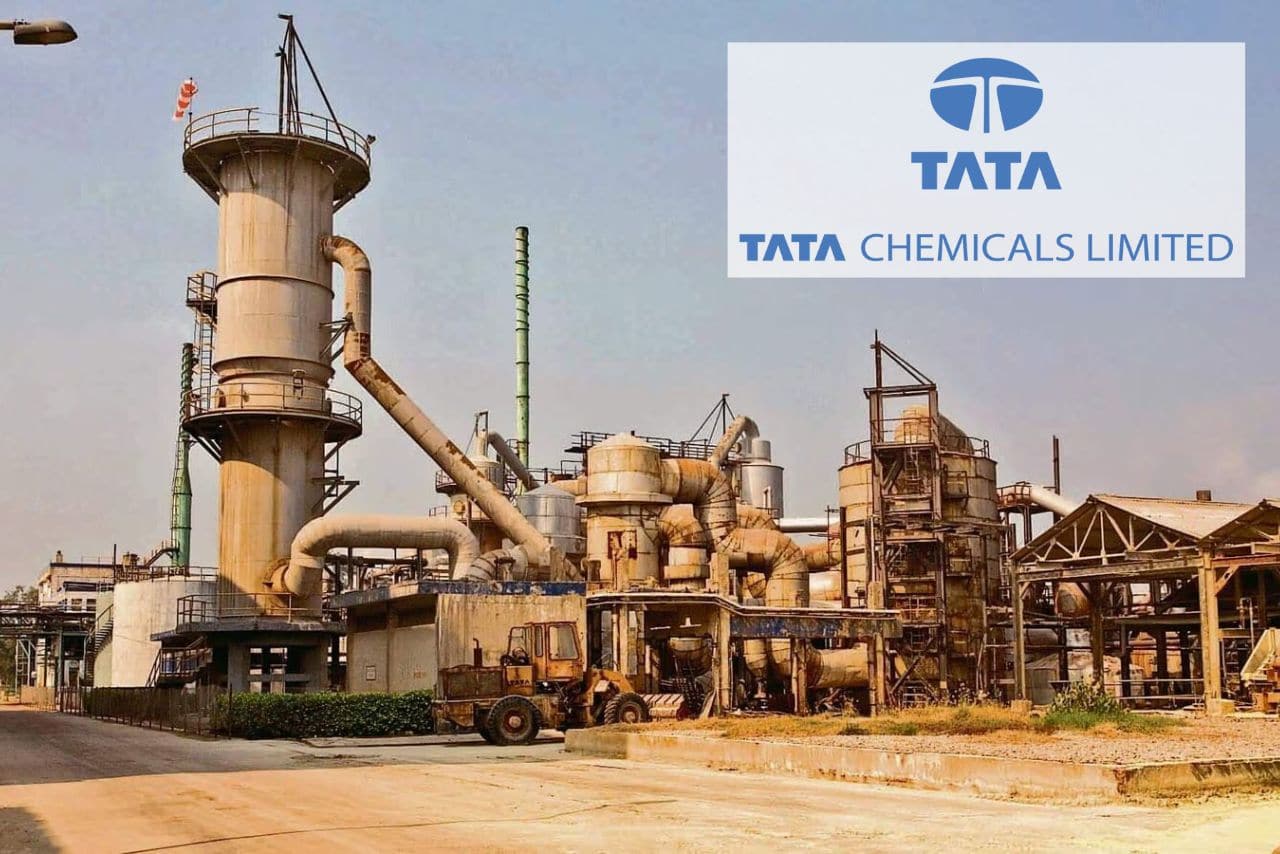
Lawmakers affiliated with the Democracy for Citizens Party (DCP) have accused President William Ruto of using regulatory and licensing concerns to push Tata Chemicals out of Lake Magadi, alleging that the government is interested in possible lithium and oil deposits in the region.
The MPs called for the “immediate and unconditional” lifting of the suspension imposed on Tata Chemicals Magadi, warning that the closure could cost jobs and disrupt livelihoods and essential services in the area.
In a statement issued during Ruto’s tour of Kajiado County, the lawmakers described the government’s compliance concerns as a “decoy”, claiming that the real motivation was the potential economic value of mineral and petroleum resources around Magadi.
They alleged that the area contains lithium deposits potentially worth trillions of shillings and also has significant oil exploration prospects.
The lawmakers further accused the President of pursuing Kenya’s natural resources for personal gain, citing alleged interests in oil exploration in Turkana and mineral activities in areas including Shimba Hills, Laikipia, Narok and Kakamega.
They also claimed that Ruto wanted Tata Chemicals removed from Magadi so that new investors, including what they referred to as his “Gulf energy associates”, could take over and pursue oil exploration.
The allegations have not been independently verified.
The DCP MPs said the suspension could affect more than 100,000 people living in and around Magadi, in addition to hundreds of Tata employees.
They estimated that the shutdown could lead to the loss of more than 500 direct jobs and thousands of other positions linked to businesses and workers supporting the company’s operations.
The lawmakers also highlighted Tata’s historical contribution to the area, saying the company has supported infrastructure, healthcare, water provision, education and other community services through its corporate social responsibility initiatives.
They warned that the closure could worsen Magadi’s water shortages, particularly for residents who depend on water supplied through systems associated with Tata’s operations.
The MPs also raised concerns about the potential effect on Nairobi’s water treatment operations. They claimed that Nairobi City Water and Sewerage Company uses an average of 360 tonnes of soda ash each month and questioned how the supply would be maintained if Tata’s operations remained suspended.

The accusations followed comments by President Ruto in which he said he had directed Tata to leave Magadi, arguing that the company had exploited the area’s resources for more than a century without providing sufficient jobs or establishing industries locally.
Speaking in Kajiado on Thursday, Ruto described Lake Magadi as a major economic resource capable of transforming the county and the country.
Ruto criticised Tata’s long presence in the region, saying the company had failed to establish significant manufacturing operations or create enough employment for local residents.
He also accused the company of taking Kenya’s resources to India and other international markets without delivering adequate economic benefits to the local community.
The President said any company that takes over operations at Magadi would be expected to invest in local manufacturing, including establishing factories to produce glass and chemicals in Kajiado.
Ruto said the government’s objective was to ensure Kenya benefited more from its natural resources through local processing, industrialisation and job creation.
Mining operations suspended
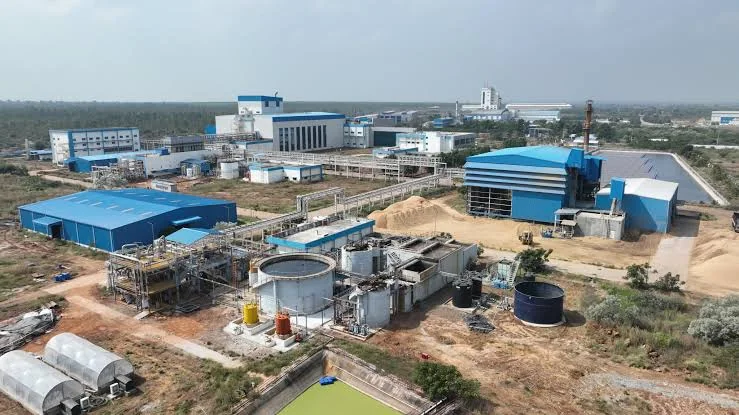
Tata Chemicals Magadi’s mining activities were suspended on July 28 following a directive from the Ministry of Mining, Blue Economy and Maritime Affairs over alleged compliance and licensing breaches.
Mining Cabinet Secretary Hassan Joho said the ministry had engaged the company for years over its compliance obligations but maintained that Tata had failed to meet the required standards.
The suspension has subsequently triggered a legal dispute. The High Court is scheduled to hear on November 18 a petition challenging any potential resumption of mining operations at Lake Magadi.
Tata Chemicals Magadi, previously known as the Magadi Soda Company, began operating at Lake Magadi in 1911 and became part of Tata Chemicals in 2005.
The company mines trona from Lake Magadi and processes it into natural soda ash, also known as sodium carbonate. The product is widely used in glass manufacturing, detergents, chemicals and water treatment.
Tata Chemicals Magadi has also been a major Kenyan exporter, with annual exports reported at more than 350,000 tonnes to markets including India, Southeast Asia and the Middle East.