The Lower Eastern Times Opening The Third Eye

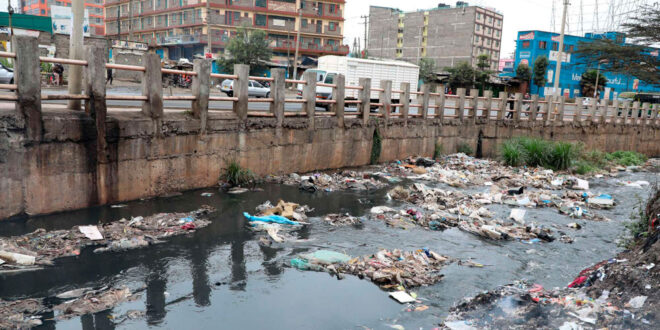
The National Environment Management Authority (Nema) has pinpointed 29 companies responsible for polluting Nairobi Rivers with various products and packaging materials.
This discovery follows thorough inspections carried out on January 18, 2024, at multiple locations within the Nairobi River basin.
In an announcement on Wednesday, the authority disclosed that all 29 entities have been issued notices mandating them to clean up the waste at the specific sites where environmental violations occurred.
“The companies are also required by Nema to submit an Extended Producer Responsibility (EPR) plan detailing comprehensive waste management strategies for products and packaging related to the Nairobi River catchment area,” the statement read.
Consequently, Nema has granted the companies a 30-day window to comply with these directives.
Failure to meet the cleanup requirements and submit an EPR plan within the specified timeframe may result in legal repercussions under the Sustainable Waste Management Act.
Enacted in 2022, the Sustainable Waste Management Act stipulates that every producer must bear extended producer responsibility to mitigate pollution.
Moreover, individuals failing to manage waste in accordance with this Act are obliged to initiate cleanup efforts and restore the site to its natural state.
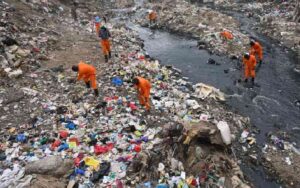
During the inspection, the team observed an alarming accumulation of assorted synthetic wastes along the riverbanks, bearing the distinct identities of various producers.
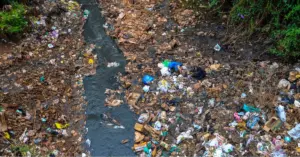
“This accumulation not only disrupts the natural flow of the rivers but also poses significant threats of flooding, water pollution, and potential adverse environmental impacts on the surrounding areas,” noted Nema.
Nema’s decisive measures underscore its commitment to enforcing environmental regulations and holding accountable those responsible for degrading the Nairobi River ecosystem.
This initiative aligns with broader endeavors to protect the environment, ensure the sustainability of water resources, and safeguard the well-being of communities reliant on these crucial natural assets.
Last week, the Nairobi River Commission raised concerns about the ongoing dumping of waste into the Nairobi River.
The commission, tasked with coordinating other government agencies and stakeholders in cleanup efforts, emphasized the substantial challenges ahead, requiring meticulous planning.
It advocates for the establishment of a national monthly cleanup day.
According to the Environmental Management and Coordination Act, the discharge of hazardous wastes, materials, chemicals, and radioactive substances is prohibited.
Offenders face fines of not less than Sh1 million or imprisonment for a minimum of two years, or both.
Furthermore, the court may order polluters to cover the entire cost of cleaning up the contaminated environment and may confiscate the substances, vehicles, equipment, and appliances used in the pollution, forfeiting them to the state.
The commission estimates that approximately Sh22 billion is needed to promptly address solid waste, sewage, and industrial waste challenges.