The Lower Eastern Times Opening The Third Eye
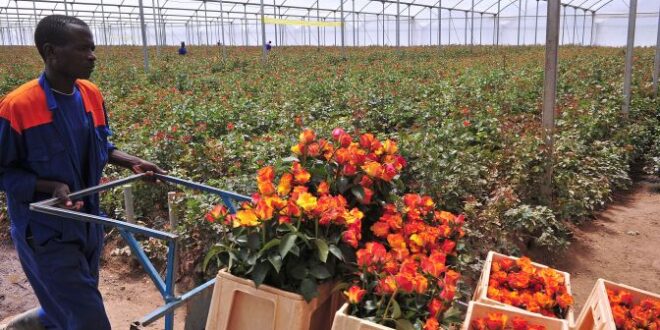
Kenya’s horticulture sector recorded strong export performance, with flower exports contributing significantly to earnings that reached Sh143.78 billion in 2025, according to the Agriculture and Food Authority (AFA).
The latest figures, released ahead of the International Flower Trade Expo (IFTEX) 2026, highlight floriculture as one of the country’s leading foreign exchange earners and a major source of employment.
Click here to join our WhatsApp Channel
AFA acting director general Calistus Kundu said Kenya exported about 457,700 tonnes of horticultural produce last year, with cut flowers accounting for 62 percent of the total export value.
Fruits contributed 19 percent, vegetables 15 percent, while medicinal and aromatic plants made up 4 percent.
“The flower industry remains the star sub-sector within horticulture,” Kundu said, noting that the sector supports over 150,000 direct and indirect jobs, with women and youth forming a large part of the workforce.
Kenya remains among the world’s top four exporters of cut flowers, shipping products to 143 international destinations. Export volumes also rose from 102,500 tonnes in 2024 to 130,600 tonnes in 2025.
Roses dominate exports at about 69 percent, alongside carnations and summer flowers grown across 21 counties under greenhouse and open-field farming systems.
More than 90 percent of production comes from medium- and large-scale farms, while smallholders mainly supply summer flowers through consolidators.
The European Union remains the largest market, with the Netherlands alone accounting for nearly half of Kenya’s flower exports via the Aalsmeer Flower Auction and direct retail chains. Other key markets include the UK, Germany, Australia, Kazakhstan, and countries in the Middle East, with new demand emerging in Asia and Africa.
Officials say the government is strengthening quality standards, improving traceability, and streamlining compliance to maintain Kenya’s competitiveness globally.
Kenya Plant Health Inspectorate Services (KEPHIS) director of phytosanitary and biosecurity services Isaac Macharia said the country holds about 38 percent of the EU rose market share, stressing the importance of strict pest control measures to safeguard exports.

Despite challenges such as rising freight costs and tighter environmental rules in Europe, industry players say the sector remains resilient and continues to grow steadily.
Organisers of IFTEX say Kenya is well positioned to expand into new markets in North America, Southeast Asia, Eastern Europe, and the Middle East as global demand for flowers rises.
They note that Kenya remains one of the world’s top three cut flower producers alongside Colombia and Ecuador, and the leading producer in Africa.