The Lower Eastern Times Opening The Third Eye
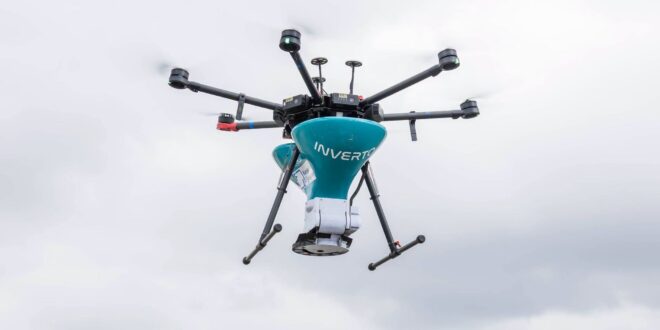
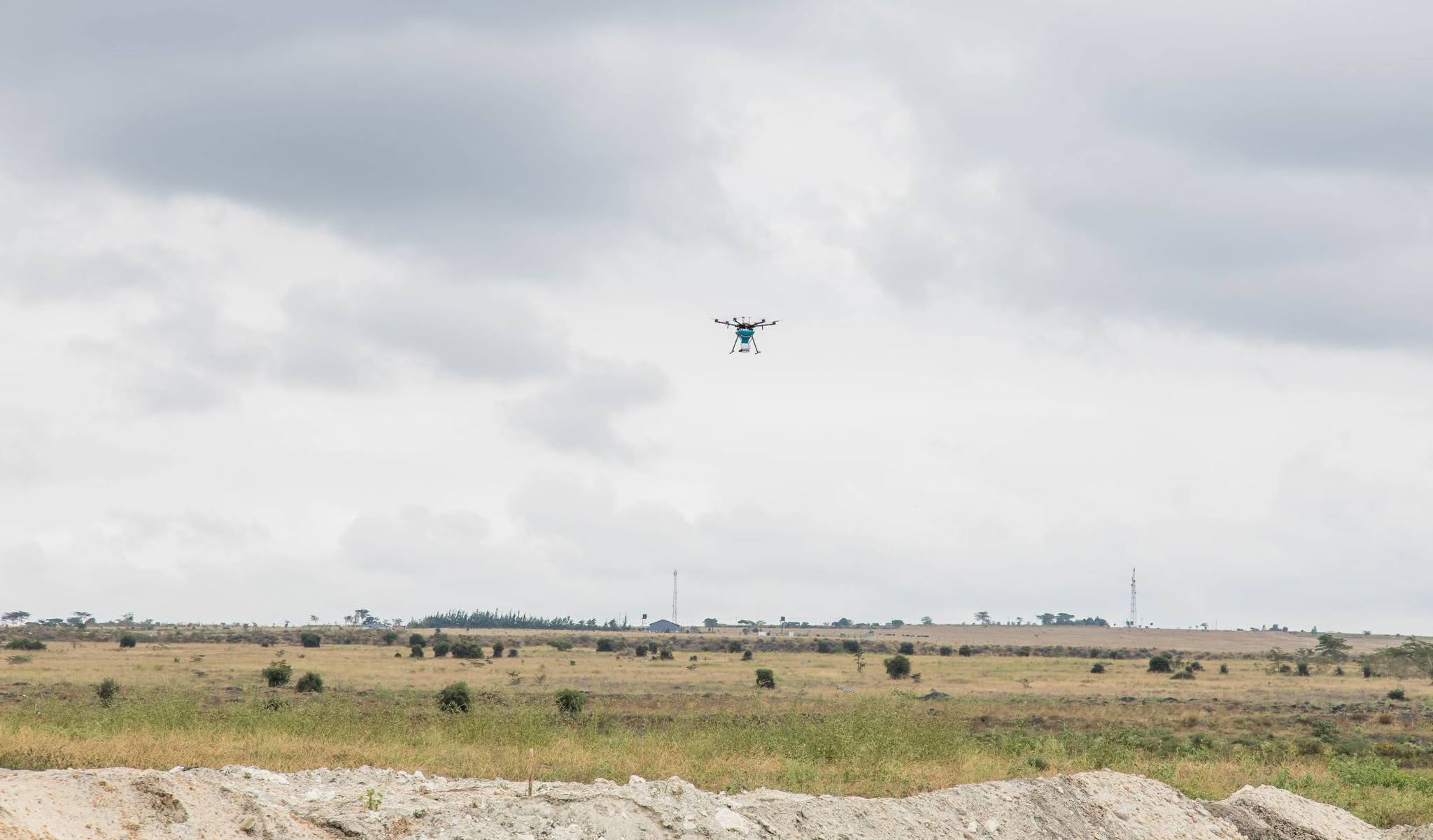
The Technopolis Development Authority has turned to drone technology to restore degraded land within the Konza Technopolis Wildlife Conservancy, deploying 75 kilograms of seedballs across approximately 1,000 acres in a major environmental conservation initiative.
The drone-assisted restoration project is among the first large-scale efforts in Kenya to use unmanned aerial technology for ecological rehabilitation within an urban-adjacent wildlife conservancy.
Click here to join our WhatsApp Channel
According to the Authority, the seedballs contain three indigenous tree species—wild olive, whistling thorn (shittah tree), and fever tree—which are expected to improve vegetation cover and contribute to the long-term restoration of the ecosystem.
The seedballs are specially designed using a mixture of charcoal dust, clay, and compost that protects seeds from predators while retaining moisture and supplying nutrients, increasing the chances of successful germination compared to conventional seed dispersal methods.
Officials said drones make it possible to distribute seeds quickly, accurately, and over large areas, significantly reducing the time, labour, and costs associated with manual tree planting.
Chief Manager for Physical Planning, Compliance and Environment Annah Musyimi said the initiative demonstrates how emerging technologies can transform environmental conservation and sustainable land management.
Musyimi noted that the drones successfully dispersed 75 kilograms of seedballs containing three indigenous tree varieties across 1,000 acres within minutes, showcasing the efficiency of technology in ecological restoration.
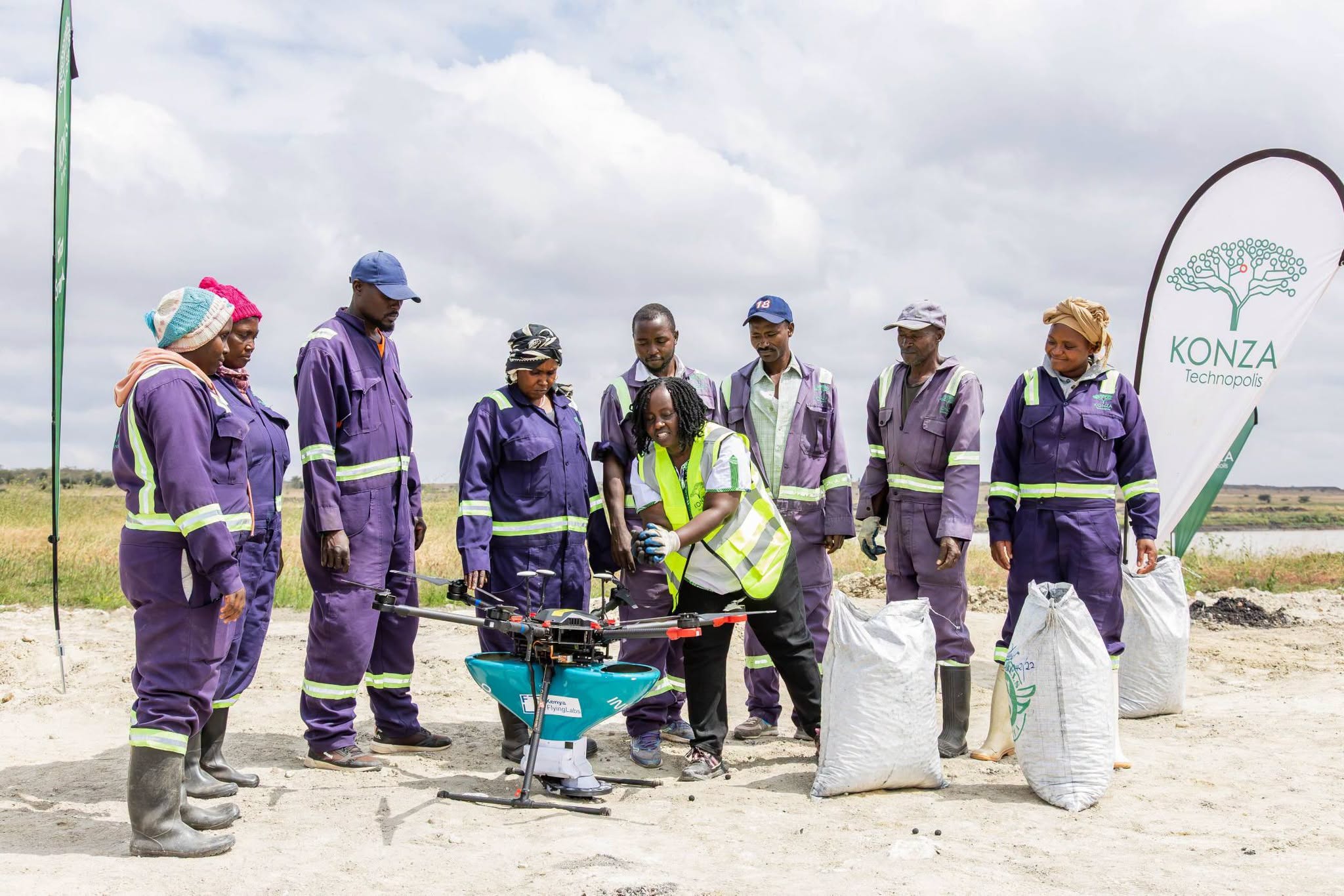
She encouraged wider adoption of technological innovations across the conservation and agricultural sectors to improve productivity and support sustainable development.
The Authority said the project highlights Konza Technopolis’ growing role as a hub for research, innovation, and technology-driven environmental solutions.

The conservancy also hosts the Konza National Drone Corridor, a dedicated facility for testing and developing unmanned aircraft systems for use in sectors including agriculture, conservation, infrastructure development, and public service delivery.
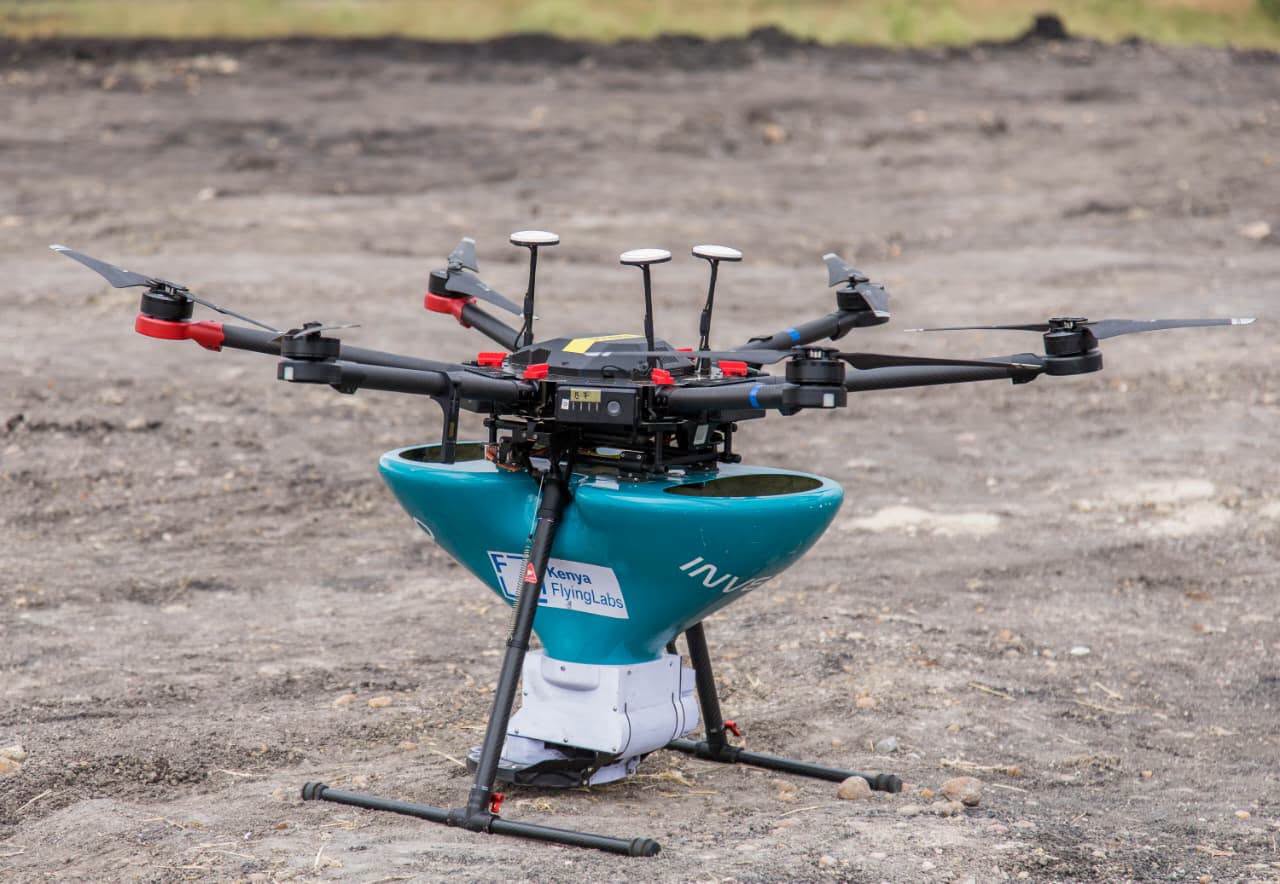
According to the Authority, the drone corridor provides a controlled environment where emerging drone technologies can be evaluated and refined before wider deployment.
The government continues to encourage collaboration between state agencies, research institutions, technology companies, and local communities to promote innovative agricultural practices, strengthen environmental conservation efforts, and enhance food security across the country.