The Lower Eastern Times Opening The Third Eye


Land prices in Nairobi have climbed to unprecedented levels, with prime locations recording new highs as demand for development land continues to exceed available supply.
According to the latest Hass Consult Land Price Index, the average price of an acre in Nairobi’s high-end suburbs has risen to Sh231.9 million, an increase of Sh32 million compared to the same period last year.
The report highlights the dramatic appreciation of land values over the past two decades. Since 2007, the average cost of an acre in the city’s established suburbs has increased more than seven times, rising from Sh30.3 million.
Hass Consult attributes the steady growth to Nairobi’s expanding role as East Africa’s commercial and financial hub. The city has strengthened its reputation as a regional investment destination, supported by a growing financial sector, a thriving technology industry, and the presence of multinational companies and international organisations.
Nairobi has also gained recognition as one of Africa’s leading fintech centres and remains the only city in the developing world hosting a major United Nations headquarters. Planned expansion of UN operations and continued investment in transport infrastructure are expected to further fuel demand for residential and commercial property.
Among all neighbourhoods, Upper Hill remains the most expensive area for land, with an acre now averaging Sh568 million. Westlands follows at Sh508 million per acre, while Parklands stands at Sh471 million.
Other premium locations include Kilimani (Sh445 million), Muthangari (Sh378 million) and Spring Valley (Sh314 million) per acre.

During the second quarter of the year, land prices across Nairobi’s suburbs increased by 1.4 percent, improving from the 0.8 percent growth recorded in the previous quarter.
The recovery was largely driven by growing interest in relatively affordable suburbs where developers and individual buyers can still construct detached and semi-detached homes.
Langata recorded the strongest quarterly increase, with land prices rising 4.1 percent to Sh94.7 million per acre. Karen followed with a 3.2 percent increase to Sh79.5 million, while Runda and Nyari also posted notable gains.
Hass Consult Chief Executive Sakina Hassanali said buyers are increasingly shifting towards neighbourhoods that offer lower land acquisition costs while maintaining good accessibility and quality of life.
She noted that Karen and Langata experienced their strongest quarterly growth in nearly a decade as developers and homebuyers sought more affordable alternatives within Nairobi.
The upward trend is also extending to satellite towns surrounding the capital, although growth varies by location.
Across 14 satellite towns, the average price of an acre has increased to Sh33.5 million from Sh29.4 million a year ago. Since 2007, land values in these areas have risen nearly 13-fold from an average of Sh2.4 million.
Ruaka remains the most expensive satellite town, with an acre averaging Sh115.7 million, driven by its proximity to the UN complex, improved road infrastructure and rising demand for residential developments.

Kiambu, Mlolongo and Ruiru also recorded high land values, with Ruiru benefiting from major mixed-use developments such as Tatu City and Northlands City, which continue to attract businesses, industries and residents.
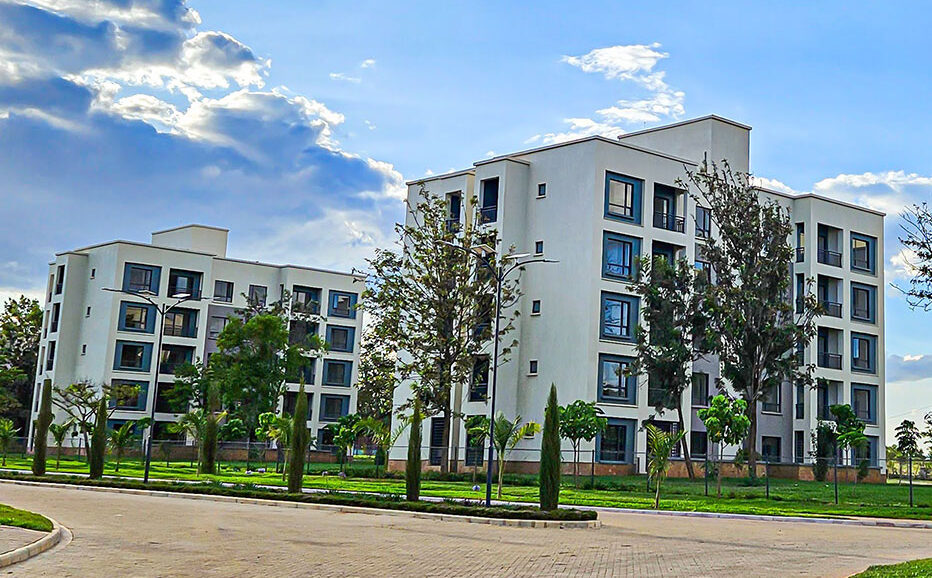
Ruiru posted the highest quarterly growth among satellite towns at 4.1 percent, followed by Thika and Ruaka.
However, not all towns experienced price increases. Ngong registered the sharpest decline, while Limuru also recorded a slight drop, reflecting weaker demand in some markets.
Hassanali said future growth is becoming increasingly concentrated in areas supported by strong transport networks, employment opportunities and expanding commercial centres rather than simply being close to Nairobi.
The report also showed mixed performance in the residential housing market.
Average house prices in Nairobi’s suburbs rose by 0.9 percent during the second quarter to Sh33.1 million, although the pace of growth slowed compared to the previous quarter.
Ridgeways, Karen and Lavington recorded the strongest price increases among residential neighbourhoods.
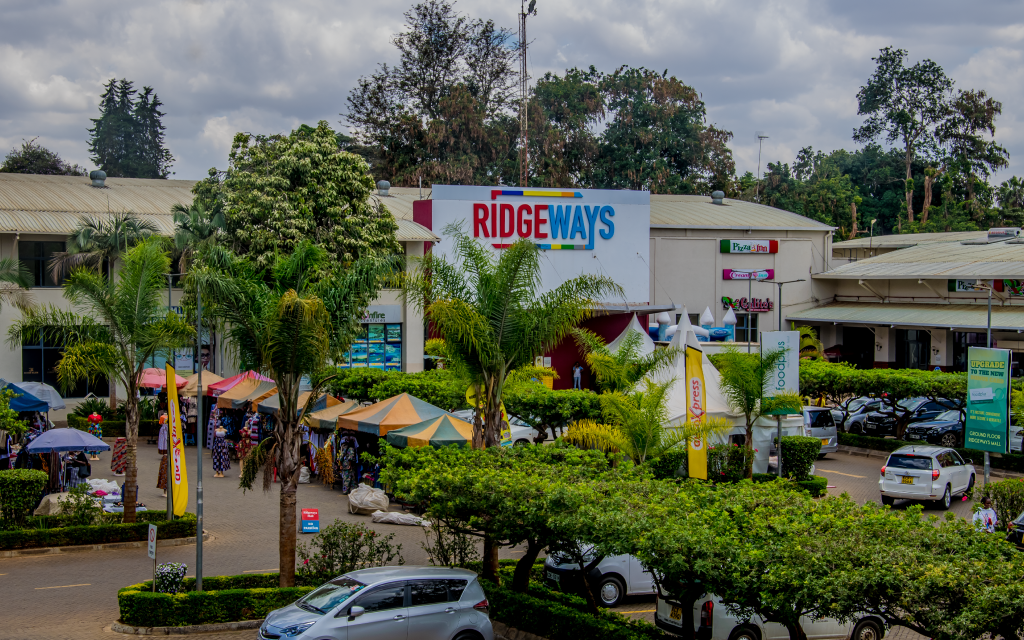
In contrast, average house prices in satellite towns declined slightly to Sh14.52 million, with Ongata Rongai and Ngong posting the biggest drops. Several apartment markets also recorded lower prices.
The slowdown has been linked to rising inflation and increased living costs, which have reduced household purchasing power and slowed home purchases.

Despite this, the rental market remained resilient. Rental prices in Nairobi’s suburbs increased by 1.4 percent during the quarter, led by Runda and Ridgeways, while satellite towns also posted steady rental growth, particularly in Ongata Rongai, Athi River and Mlolongo.
Property returns remained attractive, with yields averaging 7.4 percent in Nairobi’s suburbs and 5.4 percent in satellite towns. Hass Consult said strong urbanisation, rapid population growth, a persistent housing shortage and low mortgage uptake continue to support long-term demand for rental housing in Kenya.