The Lower Eastern Times Opening The Third Eye

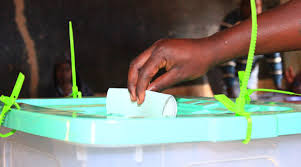
The Independent Electoral and Boundaries Commission (IEBC) has expanded voter registration for Kenyans living abroad from 12 to 26 countries ahead of the 2027 General Election.
The move represents the largest expansion of overseas voting access since Kenyans in the diaspora were first allowed to participate in presidential elections in 2013.
Click here to join our WhatsApp Channel
In its latest update on preparations for the 2027 polls, the IEBC said the expansion was intended to strengthen the constitutional right of eligible citizens living outside Kenya to participate in elections.
The commission is also targeting 28.5 million registered voters, an increase from the 22.1 million recorded during the 2022 General Election.
By August 20, 2026, a total of 2,936,516 Kenyans had registered as voters since the Continuous Voter Registration exercise began in September 2025. The figure does not include diaspora voters, who were excluded from the most recent registration exercise.
The IEBC had earlier indicated that registration for Kenyans abroad and prisoners would be announced separately. In April, commission officials told Parliament that financial constraints had delayed diaspora voter education and registration.
Acting CEO at the time, Ledama Sunkuli, said the commission had sought additional funding, while Deputy CEO Ruth Kulundu said the IEBC expected to receive funds from July to facilitate voter education before registration began.
The expansion follows years of concerns from Kenyans abroad who have complained that limited registration points and polling stations have prevented many from exercising their voting rights.
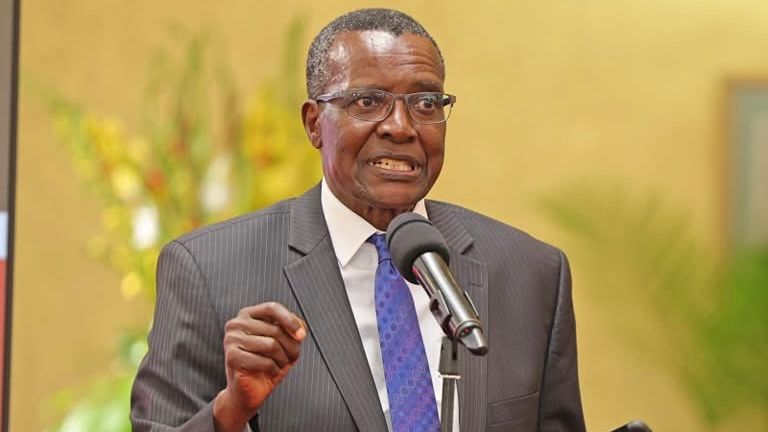
During a meeting on Monday with presidential aspirant David Maraga, representatives of the diaspora reportedly raised concerns about difficulties in registering and accessing polling centres. Maraga said he had committed to addressing the issues through the People’s Forum for Electoral Preparedness.
The restricted coverage forced some Kenyans living abroad to travel long distances to register and vote, while others were unable to participate.
The new arrangement will introduce 14 additional countries, extending access to Kenyans living across Africa, Europe, Asia and Australia. Countries previously identified by the IEBC as possible additions include Saudi Arabia, Botswana, Oman, Australia, Sweden, Switzerland, the Netherlands, Ghana, Italy, the Democratic Republic of Congo, Nigeria, Ireland, Türkiye, Ethiopia, China and Mozambique.
However, the commission had not released the official list of the additional registration centres by the time of publication.
Despite the expansion, diaspora voting remains restricted. Under Kenya’s current electoral system, registered Kenyans living abroad can vote only in presidential elections and national referendums. They cannot vote for governors, senators, MPs, woman representatives or members of county assemblies.
Diaspora organisations have long argued that political participation for Kenyans abroad has not kept pace with their growing contribution to the country’s economy and society.

Ahead of the 2022 elections, diaspora leaders accused the IEBC of falling short of its constitutional obligation to progressively facilitate voting by citizens living outside Kenya. They pointed to delays, short registration periods and the high cost of travelling to embassies and high commissions serving as registration centres.
By February 2022, only 2,959 new diaspora voters had been registered across the 12 participating countries. The IEBC later extended registration following logistical challenges, eventually registering about 10,443 Kenyans abroad for the 2022 polls.
Kenya’s Constitution requires Parliament and electoral authorities to progressively realise the voting rights of citizens residing outside the country. Previous IEBC commissions have therefore adopted a phased approach, expanding diaspora participation gradually rather than introducing worldwide voting at once.
The commission has maintained that the gradual rollout is necessary because overseas elections require significant logistical and administrative resources, including diplomatic facilities, biometric registration equipment, trained election officials and secure polling infrastructure.