The Lower Eastern Times Opening The Third Eye
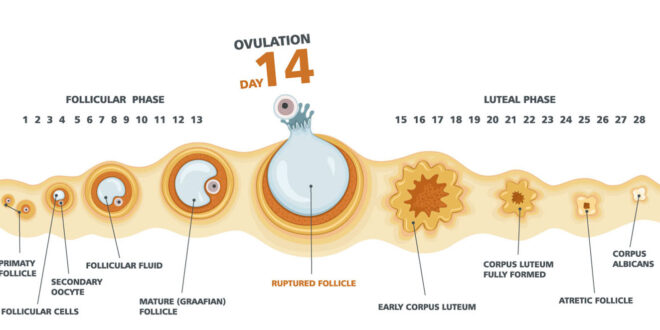
Do you know when you’re most fertile? According to the KDHS, the majority of women in Kenya don’t.
A recent analysis indicates that over half of Kenyan women are unaware of their fertile window, the specific days in their menstrual cycle when they can conceive.
Only about 38.1% of women in Kenya are knowledgeable about this crucial aspect. The lack of awareness is particularly pronounced among younger women, who also experience a higher rate of unplanned pregnancies.
Researchers reached this conclusion by examining data from the 2022 Kenyan Demography and Health Survey, which surveyed 16,901 women of reproductive age. They published their findings in the journal Contraception and Reproductive Medicine under the title “Knowledge of fertility period among reproductive age women in Kenya: a multilevel analysis based on 2022 Kenyan demographic and health survey.”
Understanding the fertile period is essential for women to make informed decisions about sexual activity and contraception. It’s a key factor in both avoiding and achieving pregnancy. However, despite its effectiveness, many women lack accurate knowledge, leading to unintended pregnancies and sometimes unsafe abortions.
The study highlights that awareness of the fertile period is influenced by various factors, including age, education, contraceptive use, media exposure, and proximity to health facilities. Older women and those with higher education levels tend to have better awareness.
Additionally, women using modern contraceptives are more likely to understand their fertility period, possibly due to counseling received during family planning services.
To address this gap in knowledge, the study suggests the need for improved education and media campaigns to raise awareness about fertility. Such initiatives are crucial for promoting family planning and reproductive health, especially in a country like Kenya, where contraceptive prevalence is low, and there are significant unmet needs for modern contraception.
Kenya aims to increase its modern contraceptive prevalence rate to 64% by 2030, up from the current 57%. The most popular methods of contraception include injectables, implants, and pills.
However, despite these efforts, disparities persist, with certain regions experiencing higher unmet needs for family planning, limiting women’s ability to plan their families effectively.