The Lower Eastern Times Opening The Third Eye
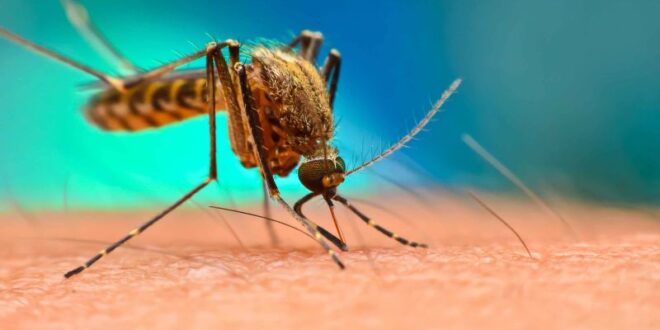
Tens of thousands of genetically modified (GMO) mosquitoes have been released in Djibouti in an effort to stop the spread of an invasive species that transmits malaria.
Male non-biting Anopheles stephensi mosquitoes developed by Oxitec, a UK-based biotechnology company, carry a gene that kills female offspring before they mature.
Only female mosquitoes bite and transmit malaria and other viral diseases.
It is the first time that this type of mosquito has been released in East Africa and the second time on the continent.
Similar technology has been used successfully in Brazil, the Cayman Islands, Panama, and India, according to the US Centers for Disease Control and Prevention (CDC).
More than a billion such mosquitoes have been released worldwide since 2019, the CDC says.
The first batch of mosquitoes were released into the air on Thursday in Ambouli, a suburb of Djibouti city.
It is a pilot step in the partnership between Oxitec Ltd, the government of Djibouti and the non-governmental organization Mutualis.
“We have made good mosquitoes that don’t bite, that don’t spread diseases. And when we release these friendly mosquitoes, they seek out and mate with bad female mosquitoes,” Oxitec chief Gray Frandsen told the BBC.
The lab-bred mosquitoes carry a “self-restraint” gene that prevents female mosquito offspring from surviving to adulthood when they mate.
Only their sons survive but would eventually die, according to the project’s scientists.
Unlike the male Anopheles colluzzi mosquitoes that were released in Burkina Faso in 2018, the stephensi friendly mosquitoes can still have babies.
The release of the mosquitoes is part of Djibouti’s Mosquito Friendly Program which was started two years ago to stop the spread of Anopheles stephensi, an invasive type of mosquito first discovered in the country in 2012.
At that time the country was on the verge of eliminating malaria, when it recorded almost 30 cases of malaria. Since then, malaria cases have increased rapidly in the country to 73,000 by 2020.
The species now exists in six other African countries – Ethiopia, Somalia, Kenya, Sudan, Nigeria and Ghana.