 The Lower Eastern Times Opening The Third Eye

Related Articles

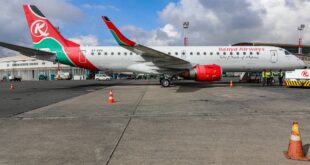

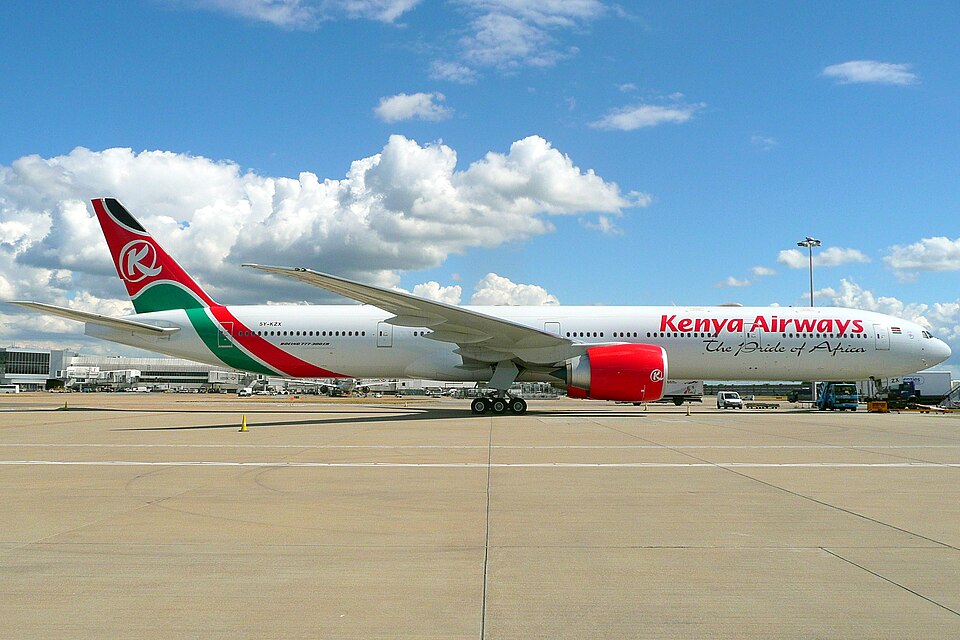
Nearly a decade after leasing out its Boeing 777-300ER fleet, Kenya Airways has returned one of the aircraft to service as it seeks to boost capacity, strengthen its long-haul operations and support growing passenger and cargo demand.
The aircraft, registered 5Y-KZX, resumed commercial operations on July 17, 2026, operating flights between Nairobi and London Heathrow after completing familiarisation flights on the Nairobi–Mombasa route.
Click here to join our WhatsApp Channel
Its return reflects a major shift in the airline’s operational needs. In 2016, Kenya Airways reduced its fleet because it had more aircraft than demand justified. Today, the airline faces the opposite challenge, with limited capacity following the grounding of several Boeing 787 Dreamliners.
Why the Boeing 777s were leased out
Kenya Airways introduced three Boeing 777-300ER aircraft between 2013 and 2014 to support its expanding international network.
Although the aircraft offered long-range capability and could carry about 400 passengers, the airline’s financial performance deteriorated as operating costs remained high while passenger demand failed to match expansion plans.
Faced with mounting losses and debt, Kenya Airways retired the aircraft in 2016 and leased all three to Turkish Airlines under long-term agreements. The move helped reduce operating costs while generating additional lease income.
At the time, then Group Managing Director and CEO Mbuvi Ngunze said the decision was part of the airline’s recovery strategy aimed at lowering fleet costs and restoring profitability.
Why the aircraft is returning now
Kenya Airways now requires additional aircraft after reduced fleet availability affected operations during 2025.
The airline reported a net loss of Sh17.2 billion for the year ending December 2025, reversing the previous year’s profit of Sh5.4 billion. Revenue declined to Sh161.5 billion, while operating expenses rose to Sh167.1 billion, resulting in an operating loss of Sh5.6 billion.
The decline was largely attributed to the reduced availability of aircraft, particularly three Boeing 787-8 Dreamliners that were out of service due to engine maintenance issues, global supply chain disruptions and scheduled heavy maintenance.
Acting Group Managing Director and CEO Captain George Kamal said the grounded aircraft reduced the airline’s operating capacity by about 20 per cent, forcing Kenya Airways to operate below its full potential.
To address the shortage, the airline decided to return one of its Boeing 777-300ER aircraft while also planning to lease an additional Boeing 737 Next Generation later this year. Management expects all nine Dreamliners to return to service by the end of 2027.
Increased passenger capacity
The Boeing 777-300ER provides significantly more seating capacity than the Boeing 787-8 Dreamliner currently used on many long-haul routes.
While the Dreamliner accommodates around 234 passengers, the Boeing 777 carries approximately 400 passengers, including 28 Business Class and 372 Economy Class seats, adding about 166 extra seats on every flight.
Captain Kamal has also indicated that Kenya Airways is exploring the possibility of bringing back another Boeing 777 currently leased to Turkish Airlines to serve as an additional backup aircraft if demand continues to increase.
Focus on the London route
The Nairobi–London Heathrow route remains Kenya Airways’ flagship international service and one of its most profitable routes.
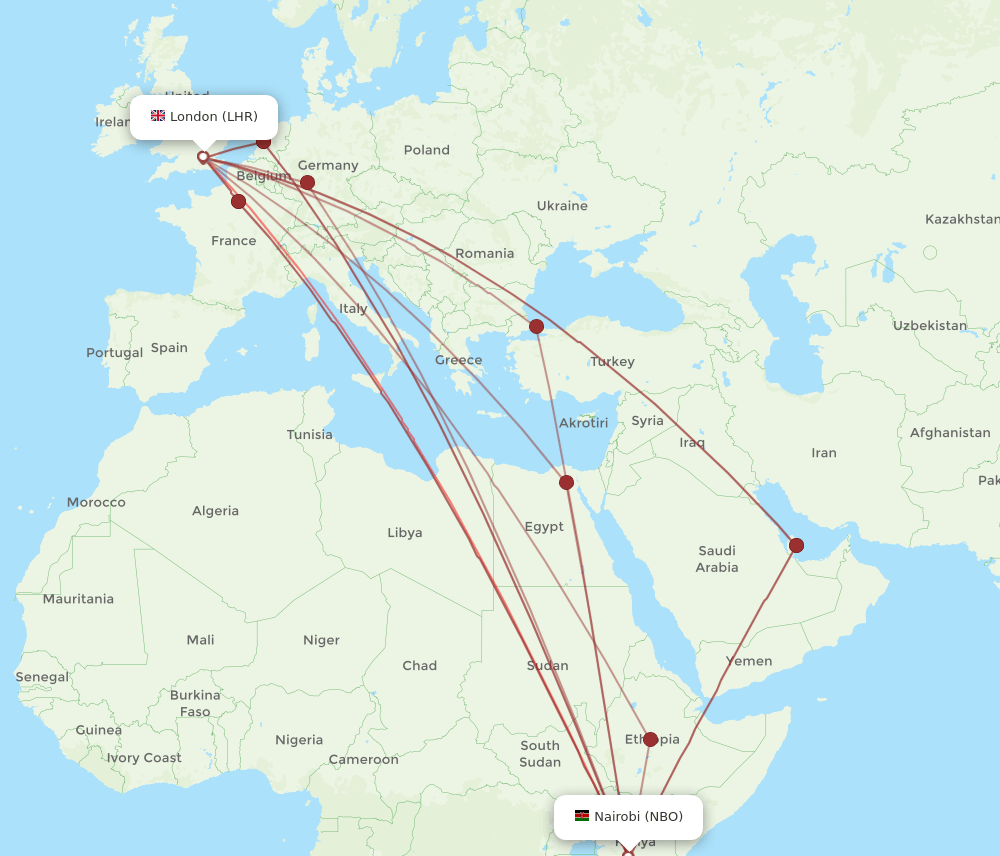
The airline plans to deploy the Boeing 777-300ER on the route four times each week, replacing the smaller Dreamliner on selected flights.
Using the larger aircraft allows Kenya Airways to transport more passengers and offer additional premium seats without increasing flight frequencies.
According to Captain Kamal, the move forms part of the airline’s broader fleet optimisation strategy aimed at strengthening competitiveness and improving operational efficiency.

Boost for cargo exports
The return of the Boeing 777 also significantly increases cargo capacity.
The aircraft can carry approximately 22 tonnes of freight in its cargo hold, providing additional space for Kenya’s exports to Europe, including fresh flowers, vegetables, fish and manufactured goods.
Transport Cabinet Secretary Davis Chirchir said the increased cargo capacity will support exporters by providing more reliable access to international markets while strengthening Kenya’s position in global trade.
Supporting Kenya Airways’ recovery
Although the return of the Boeing 777 will not resolve all of Kenya Airways’ financial challenges, it represents an important step in rebuilding operational capacity.
The airline continues to recover from significant losses while dealing with high financing costs, global supply chain disruptions and intense competition within the aviation industry.
The government is also pursuing wider reforms, including strengthening the airline’s financial position, attracting strategic investors and expanding Jomo Kenyatta International Airport to increase annual passenger capacity from 7.5 million to approximately 22 million.
With global aircraft manufacturers facing long order backlogs extending to between 2030 and 2033, bringing back an aircraft already owned by Kenya Airways offers the quickest solution to restore capacity while supporting the airline’s long-term recovery plans.
