The Lower Eastern Times Opening The Third Eye

By: Patrick Karanja, Jewel Technical College
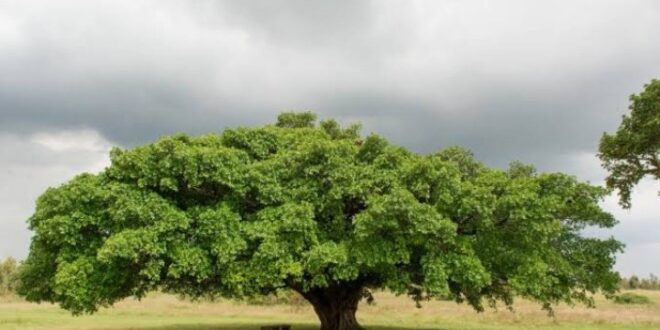
Across the green hills and quiet villages of Kenya stands a tree unlike any other—the mugumo tree. To some, it is a symbol of life and tradition. To others, it is a place of deep mystery, fear, and unseen power.
For generations, this enormous fig tree has commanded respect, silence, and caution, because in the eyes of many, the mugumo tree is not just a tree; it is alive with something far beyond human understanding.
Click here to join our WhatsApp Channel
Among the Kikuyu people, the mugumo tree holds a sacred place in culture and belief. It is closely connected to Ngai, the supreme God who is believed to dwell on Mount Kenya. Long ago, elders would gather beneath the wide branches of the mugumo tree to pray, offer sacrifices, and seek guidance. It was believed that under this tree, the distance between humans and God becomes thin—almost as if heaven itself leans closer to listen. But where there is power, there is also fear.
The mugumo tree is often surrounded by silence, not because it is empty, but because people believe it is watched. Many say spirits dwell within its massive trunk and twisting roots. At night, when the wind passes through its leaves, it produces a whispering sound—soft, low, and unsettling. Some believe these whispers are voices, speaking in a language not meant for human ears. Others claim the tree reacts to those who approach it with bad intentions.
Because of this, cutting a mugumo tree is considered one of the greatest taboos. It is said that anyone who dares to harm it invites misfortune. Stories have been told of individuals who ignored the warnings, only to face strange accidents, illness, or unexplained tragedies soon after. Whether these are coincidences or consequences, no one can say for sure. But the fear remains strong enough to keep even the boldest people away from its bark.

Beyond its spiritual mystery, the mugumo tree has long been associated with life itself. During times of drought, elders performed rainmaking rituals beneath its branches, calling upon Ngai to bring life-giving rains. The tree becomes a symbol of fertility, growth, and survival. Crops depended on it. Communities depended on it. And so, protecting the mugumo ensured the future. Yet even in modern times, its mystery has not faded.
There have been moments in Kenya’s recent history when the fall of a mugumo tree caused widespread concern. People whispered that it was a sign—a warning of change, instability, or even disaster. Crowds gathered, not just to witness a fallen tree, but to understand what it might mean. Such reactions show that, despite the growth of science and technology, belief in the mugumo tree’s power still runs deep.

Standing before a mugumo tree is an experience few forget. Its trunk is thick and ancient, its roots spread wide like veins gripping the earth, and its branches stretch outward as if reaching for the sky. It feels old—older than memory, older than the stories themselves. And in that presence, many people feel something they cannot explain: a mix of respect, curiosity, and fear.
Scientists may describe it simply as a species of fig tree. But science cannot fully explain the emotions it stirs, the stories it carries, or the caution it demands. The mugumo tree exists at the meeting point of nature and belief—where logic ends and mystery begins.