The Lower Eastern Times Opening The Third Eye

By: Victor Ochieng – Laikipia University
The Middle East remains one of the most geopolitically sensitive regions in the world, where historical rivalries, religious differences, and global power interests continue to intersect.
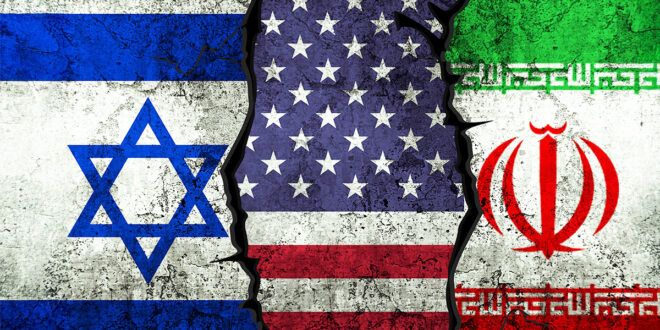
In 2026, tensions have intensified, particularly involving key players such as Iran, Israel, and the United States, raising concerns about wider regional instability and global consequences.
Recent months have seen an escalation in hostilities, with both direct and proxy confrontations occurring across multiple areas. A fragile ceasefire between Iran and the United States has done little to ease tensions, with reports of occasional strikes and violations reflecting ongoing mistrust between the two sides.
At the same time, Israel continues to face security threats from Iran-backed groups operating in countries such as Lebanon and Syria. These proxy conflicts have created a complex security environment, where direct war is largely avoided but confrontation remains constant.
Conflict in the Middle East is increasingly driven by alliances and proxy groups rather than conventional warfare. Iran supports armed factions such as Hezbollah and other militias, while Israel and the United States seek to counter their influence. This has expanded the zone of instability across parts of the region, including Iraq and Yemen. In Yemen, ongoing fighting involving the Houthi movement continues to affect regional stability and maritime security.
Tensions in the region also have significant implications for global energy markets. The Middle East holds some of the world’s largest oil reserves, and instability can disrupt supply chains. The Strait of Hormuz, a key route for global oil transport, remains a critical point of concern, as any disruption could lead to fuel shortages and rising prices worldwide, including in Africa.
The situation has drawn in major global powers, turning the region into a complex geopolitical arena. The United States maintains a strong military presence, while countries such as Russia and China are increasingly involved through diplomacy, trade, and strategic partnerships. This involvement complicates efforts to achieve lasting peace, as differing interests often limit coordinated action.
Beyond politics and economics, the human impact of the conflict is severe. Millions of civilians face displacement, food insecurity, and limited access to healthcare. Countries already affected by prolonged conflict, such as Syria and Yemen, continue to experience humanitarian challenges.
There is also concern about the risk of a wider conflict, particularly if diplomatic efforts fail or if a major incident escalates tensions between rival states.
The situation in the Middle East reflects a complex mix of local conflicts, regional rivalries, and global power dynamics. While ceasefires and negotiations provide some hope, key political, ideological, and economic issues remain unresolved.
The future of the region will depend on continued diplomatic efforts, conflict resolution initiatives, and the willingness of both regional and global actors to prioritise stability and peace.