 The Lower Eastern Times Opening The Third Eye

Related Articles



For decades, rice husks – a byproduct of Kenya’s rice farming – have been treated as waste, often dumped or burned in open fields, releasing harmful carbon emissions into the atmosphere. Today, however, this farm residue is powering a quiet revolution in climate-smart agriculture, thanks to Safi Organics.
Click here to join our WhatsApp Channel
In an interview, Samuel Rigu, CEO of Safi Organics, explained how the company is transforming rice husks into affordable organic fertilizer using a localized, low-cost production process.
“We realized that most farmers were relying on expensive, imported chemical fertilizers that were degrading their soils. Our solution not only cuts costs but restores soil health,” Rigu said.
The company, founded in 2015, uses torrefaction technology – a controlled heating process – to convert rice husks into carbon-rich fertilizer branded as Safi Sarvi. Unlike conventional fertilizers that acidify soils over time, Safi Sarvi balances soil pH, improves microbial activity, and retains nutrients and water for longer periods.
REAS ALSO: Kenya’s Women and Youth Leading Drive for Safer Pest Control
Joyce Kamande, COO of Safi Organics, highlighted the sustainability aspect of their innovation.
“By converting farm waste into fertilizer, we are reducing open-field burning of husks, which contributes to greenhouse gas emissions. At the same time, our products sequester carbon in the soil, making farming more climate-resilient,” she said.
So far, Safi Organics has reached over 15,000 farmers across Kenya, helping them increase yields by up to 27% while cutting production costs. Beyond boosting harvests of maize, rice, beans, and vegetables, the initiative has created hundreds of rural jobs and turned agricultural waste into a valuable resource.
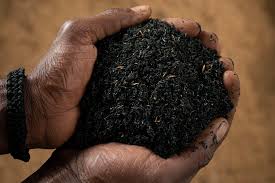
Experts note that organic fertilizers like Safi Sarvi can play a key role in mitigating climate change by locking carbon in soils for decades. According to Safi Organics, their operations have already sequestered over 20,000 tonnes of CO₂, while preventing thousands of tonnes of husks from being burned.

As Kenya faces both climate change and soil degradation challenges, the company’s model offers a pathway to sustainable farming. By decentralizing production to village-level plants, Safi Organics eliminates the high cost of transporting bulky fertilizers, making climate-smart solutions more accessible to smallholder farmers.
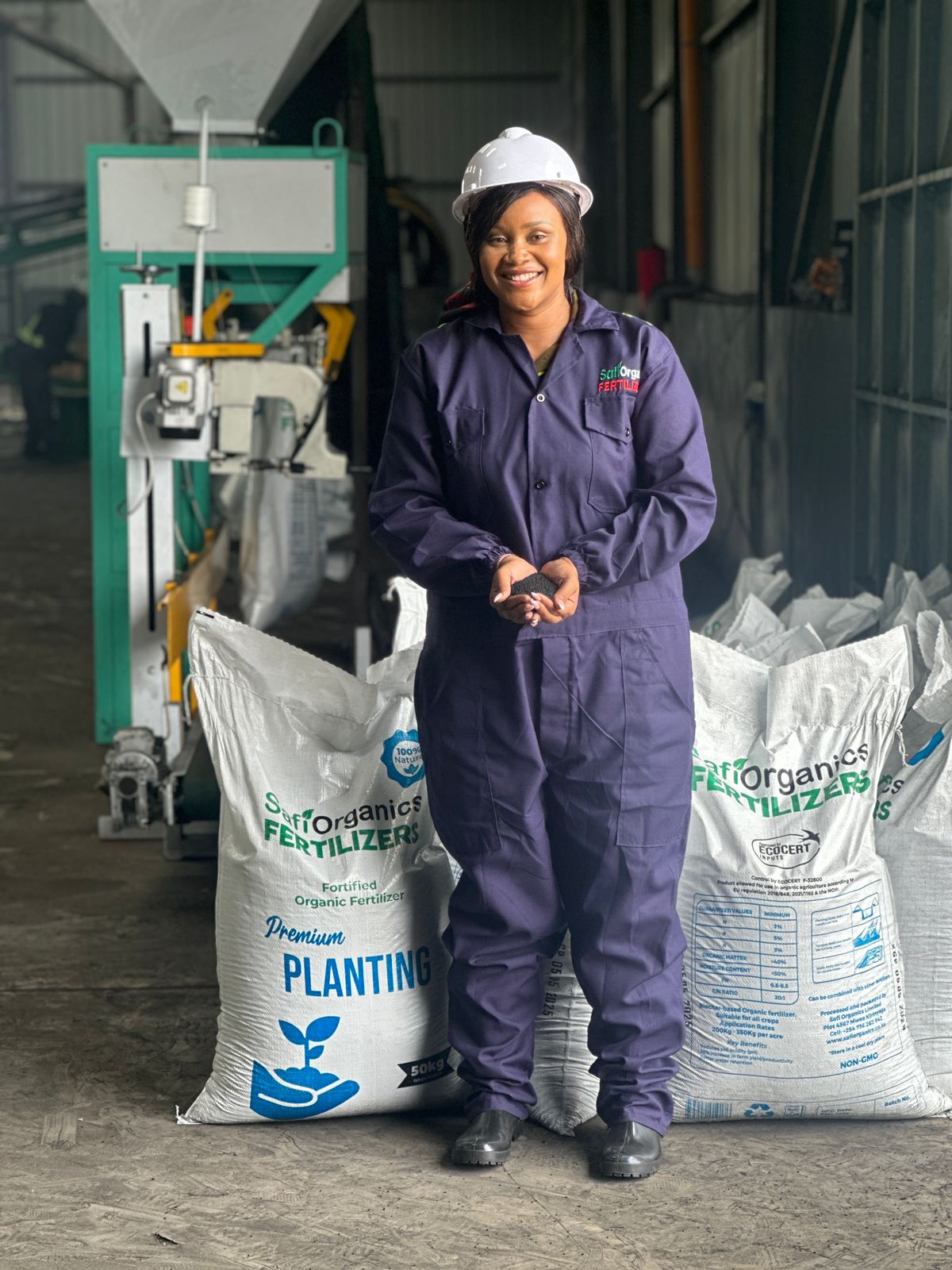
With eyes set on expansion across East Africa and beyond, Safi Organics is proving that homegrown innovation can provide answers to global problems – ensuring food security, restoring soil fertility, and fighting climate change from the ground up.