The Lower Eastern Times Opening The Third Eye

By:BBC
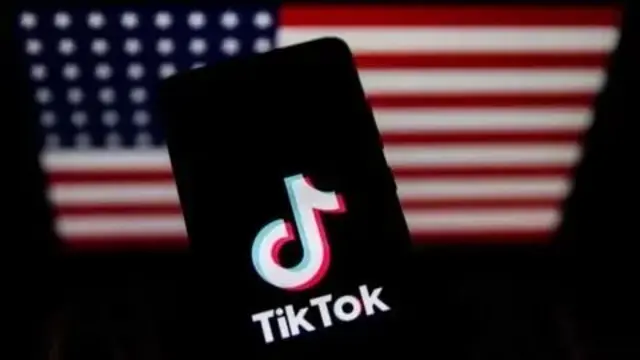
TikTok is expected to be banned in the United States on January 19 after the country’s highest court rejected a petition filed by the network’s owner, ByteDance, seeking to overturn the ban.
The court has ruled that the law banning the social network does not violate the fundamental rights of the network and its users as claimed by Tiktok.
President-elect Donald Trump, who is expected to be officially inaugurated on January 20, says the future of TikTok will be up to him.
How is TikTok received in Africa?
TikTok has faced opposition from some governments around the world, including several African countries.
Senegal and Somalia have banned the social network, with requests for similar measures to be approved in other countries such as Kenya.
The main reason given by individual complainants and even some African governments is the risk to national security as well as the decline in morals in society, calling for action to be taken against TikTok.
The network has been accused of being used to spread propaganda, being used as a tool to promote fraud but also distributing indecent content.
Kenya is among the countries with the highest TikTok usage in the world with 54% of total usage and 29% of people using the network to get news information.
This is according to the Reuters Institute’s 2023 Digital Report. Egypt has 33 million users and Nigeria 28 million customers.
In August, Kenya’s parliament agreed not to ban TikTok following a petition by a Kenyan citizen who wanted the network banned.
Instead, the government agreed to focus on content regulation. In a meeting with President William Ruto, TikTok CEO Shou Zi Chew agreed to open an office in Kenya to be responsible for properly regulating the content published.
How will the US ban on TikTok benefit Africa?
Despite growing concerns about national security, TikTok continues to gain popularity among young Africans.
Social media like TikTok is used not only for entertainment but also to obtain information and even as a means of economic empowerment.
A lot of thinking, creativity, and even a lot of knowledge has come from TikTok.
Moses Kemibaro, founder and executive secretary of Dotsavvy Africa who is also a technology analyst, says that the US ban on TikTok will eliminate the opportunity to see and use useful content for users from the US.
“More importantly, a large number of users with good business ideas will be lost.”
Kemibaro explains that commercially or economically, the US ban may be an opportunity for other markets in the world, including Africa, where content creators or influencers have had challenges in profiting financially from their content.
“TikTok may now be forced to redirect this revenue to other markets where there are customers, to fill the gap that will be left,” explains Kemibaro, pointing to countries like the United States and India that have banned Tiktok.
Digital and cyber security expert and researcher Yusuf Kileo agrees.
“In the current agenda promoted by African countries known as the ‘Digital Economy’, you find that many young people have become self-employed through TikTok by recording and selling video content. Therefore, if TikTok is closed in the US and that huge investment comes to Africa, it means that the huge profit will have moved closer and many benefits may arise financially from that content on TikTok.
However, he warns that seeing a major country like the United States decide to block TikTok after it was seen that the move did not affect freedom of expression – African countries may evaluate themselves and perhaps follow suit. And not just for TikTok but also ending up blocking other platforms on the grounds of national security threats.
This, Kileo says, may end up threatening freedom of expression.