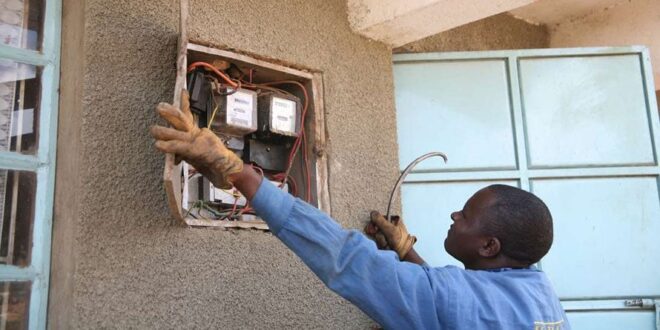
In an effort to curb power theft and reduce meter reading costs, Kenya Power has announced a three-year initiative requiring customers in rural areas with postpaid meters to transition to prepaid meters. The company will cease connecting rural customers with postpaid meters as it moves towards implementing smart meters.
According to the utility’s latest annual report, all rural customers will be shifted to the prepaid metering system, with eventual plans for a transition to smart metering in the long term. Existing postpaid meters in rural areas will undergo retrofitting to prepaid meters over the next three years.
Kenya Power, currently serving 2.1 million postpaid billing customers and 6.8 million prepaid billing customers, aims to enhance revenue collection and address revenue leakages by implementing reforms in its metering system. Despite earning 63 percent of its revenues from postpaid customers, the company incurred a net loss of Sh3.19 billion in the year to June 2023.
The move to prepaid meters allows the utility to collect revenue upfront, particularly crucial amid a surge in electricity defaults from postpaid customers facing rising prices. The shift also aims to alleviate the challenges of estimating monthly consumption for millions of customers, caused by insufficient meter readers.
Kenya Power’s reform strategy includes the implementation of an advanced Meter Data Management System, enhancing monitoring and analytic capabilities. The system restricts unauthorized movement of meters, addressing issues associated with manual tracking methods.
As part of its metering plan, Kenya Power aims to complete smart metering for all large power customers by December 2024, implement advanced metering infrastructure for domestic and SME customers consuming above 200 units within the next three years, and deploy smart meters for all new connections in these categories.
 The Lower Eastern Times Opening The Third Eye