The Lower Eastern Times Opening The Third Eye


Although skywatchers in Kenya and much of Africa will not see the March 3, 2026 total lunar eclipse, millions in other parts of the world are expected to experience the striking “blood moon” phenomenon.
Data from NASA and global observatories shows that the eclipse will be most visible in areas where the Moon will be above the horizon during totality — mainly across the Pacific region and nearby continents.
Click here to join our WhatsApp Channel
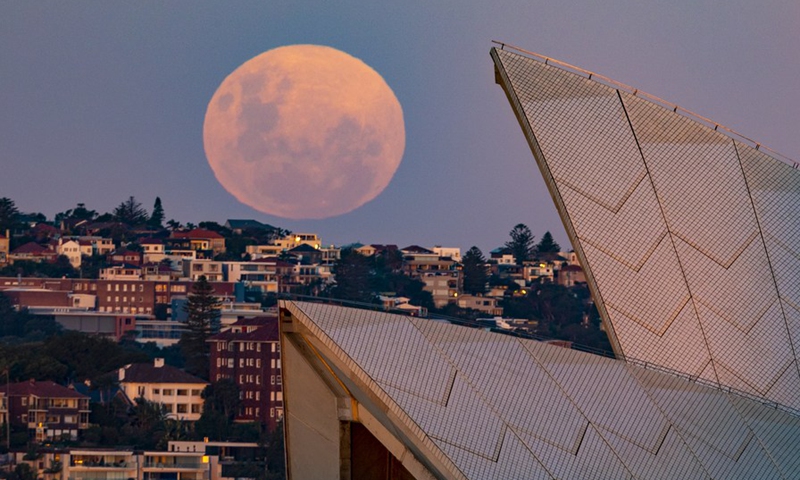
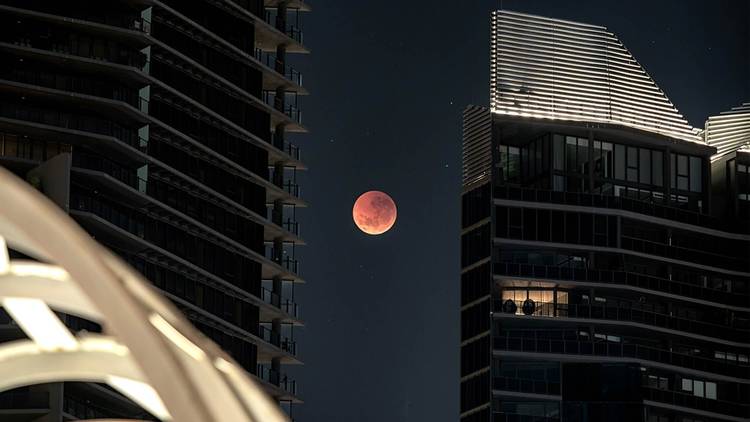
During a total lunar eclipse, the Moon turns a deep red or orange shade as it moves fully into Earth’s shadow. According to NASA, this happens because sunlight passing through Earth’s atmosphere is filtered, allowing more red wavelengths to reach the Moon’s surface — similar to the colours seen during sunrises and sunsets.
1. Western North America
Large areas of western Canada, the western United States, and parts of Mexico will have a clear view of the eclipse, with the Moon high in the sky during the total phase.
2. East Asia
Countries including China, Japan, and the Korean Peninsula will experience the eclipse at night, offering ideal conditions to observe the full red glow.
3. Australia
Most regions in Australia are expected to have favourable evening or late-night viewing of the eclipse.
4. New Zealand
Observers in New Zealand will also enjoy strong visibility, with the total phase clearly seen above the horizon.
5. Pacific Islands
Island nations across the Pacific Ocean will be well positioned to witness both the partial and total stages of the eclipse.
Meanwhile, most of Africa, large parts of Europe, and sections of the Middle East are expected to miss the spectacle, as the Moon will either be below the horizon or setting when the eclipse reaches its peak.