The Lower Eastern Times Opening The Third Eye

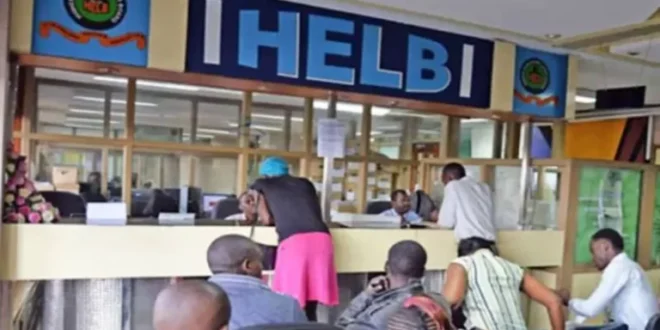
Former university students are decrying mounting penalties on Higher Education Loans Board (Helb) debts, saying the rising charges are making repayment nearly impossible amid widespread joblessness and low wages.
Click here to join our WhatsApp Channel
While many insist they have not refused to pay, they say years without steady income have left them unable to settle their loans. Those in employment add that their modest salaries barely dent the interest and penalties accrued.
One former beneficiary wrote on X: “I just saw the amount I owe Helb. Paid part of it, but it’s still almost the same as the original loan.” Another, who borrowed Sh140,000, said their debt has ballooned to Sh350,566 after a decade without work, lamenting: “I don’t think I will ever be able to repay that.”
Some have taken a hardline stance, vowing not to pay until Helb offers a full penalty waiver. “Ain’t no way I’m paying over 500k for a loan that wasn’t even 150k,” one posted.
Others are calling for responsibility. Mwaka Kelvin urged those able to repay to do so to keep the fund afloat: “They helped me a lot, so I’ll help others get the same. Imagine if you hadn’t received it.”
Helb data shows that as of June 30, 2025, 67.5 per cent of its loan book was performing, while 32 per cent — Sh32 billion owed by about 256,000 borrowers — is at risk. Some graduates have questioned whether the ballooning amounts breach the duplum rule, which limits total interest to twice the principal.
Borrowers also cited frustrations with Helb’s communication and the slow reduction of balances despite regular payments. One graduate from the class of 2022 said their debt had risen to Sh270,000, warning that by 2030 it could hit Sh1 million without a job.
Helb CEO Geoffrey Monari said the agency is implementing measures to boost repayment, including employer engagement, outreach programmes, improved policies, and better accountability. He noted that Helb has mobilised Sh3.3 billion from 43 partners, including counties, corporates, and development agencies.
To ease the burden, the agency is allowing instalment payments and offering an 80 per cent penalty waiver for lump-sum settlements — a move Monari called “a meaningful step toward encouraging repayment.”
However, many former students argue that without jobs or better pay, even with waivers, clearing the loans remains out of reach as penalties continue to climb.