The Lower Eastern Times Opening The Third Eye
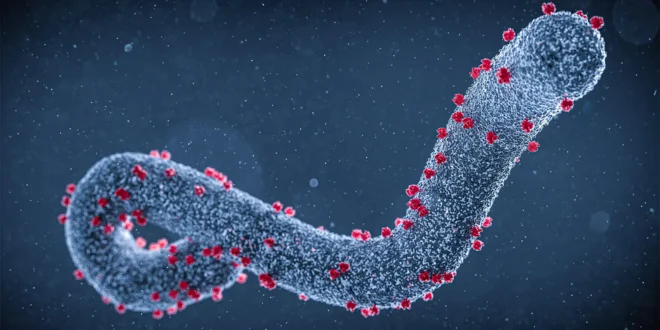
The World Health Organization (WHO) has confirmed a new case of Marburg virus disease (MVD) in Uganda, signalling the country’s latest battle with the highly infectious virus.
WHO Director-General Dr Tedros Adhanom Ghebreyesus announced that Ugandan authorities reported the confirmed case on Tuesday, June 30, 2026. The patient was identified in Kyegegwa District in western Uganda through enhanced disease surveillance measures that had been established to detect Ebola.
Click here to join our WhatsApp Channel
Dr Tedros noted that Uganda has not recorded any new Ebola infections since June 21, but the strengthened surveillance system led to the detection of the Marburg case.
He said health officials have already identified and are monitoring everyone who came into contact with the patient, adding that none of the contacts had shown symptoms at the time of the announcement.
WHO is working closely with Ugandan authorities to investigate how the infection occurred, assess the potential public health risk and support community awareness and response efforts.
Uganda has previously experienced Marburg outbreaks. In 2017, the country recorded three confirmed infections, all of which were fatal. Earlier, in 2012, Uganda reported 15 confirmed cases and four deaths.
Kenya has also documented Marburg infections in the past. Between 1980 and 1987, the country recorded three confirmed cases, two of which resulted in death.
Marburg virus disease, formerly known as Marburg haemorrhagic fever, is a severe viral illness caused by the Marburg virus, which belongs to the same Filoviridae family as the Ebola virus. Although the viruses are different, they produce similar symptoms and are capable of causing deadly outbreaks.
According to WHO, the disease has an average fatality rate of about 50 percent, although previous outbreaks have recorded death rates ranging from 24 percent to as high as 88 percent depending on the speed and quality of medical care.
The virus is naturally carried by Egyptian fruit bats and spreads through direct contact with the blood or other body fluids of infected individuals, as well as contaminated materials. Health workers and caregivers face a higher risk of infection if proper protective measures are not followed.
Symptoms can appear between two and 21 days after exposure and usually begin with sudden fever, severe headache, muscle pain and general weakness. As the disease progresses, patients may develop diarrhoea, abdominal pain, vomiting and, in severe cases, internal and external bleeding.

Most fatal cases occur within eight to nine days after symptoms begin, often due to severe blood loss and shock.
There are currently no licensed vaccines or antiviral treatments for Marburg virus disease. However, WHO says prompt supportive care, including rehydration and treatment of symptoms, can greatly improve survival chances. Several vaccines and treatments are still under development.
WHO continues to stress the importance of rapid detection, contact tracing, isolation of infected patients, safe burial practices, community participation and public awareness to prevent further spread of the disease.