The Lower Eastern Times Opening The Third Eye

A Burundian trader selling caps in Kenya has made an emotional appeal to President William Ruto, asking the government to reconsider its planned crackdown on foreigners engaged in small-scale businesses.
The trader, who spoke to activist and city official Geoffrey Mosiria, expressed concern that the government directive could leave him without a source of income.
The Burundian said life back home is difficult and that Kenya had provided him with an opportunity to earn a living and support himself.
He further argued that his business also contributes to the Kenyan economy, noting that he purchases his stock from a Kenyan supplier, sells to Kenyan customers and pays rent to a Kenyan landlord.
“Nunua kofia nipate fare ya kurudi nyumbani, si mmesema by Monday turudi!” the emotional trader told Mosiria, appealing to a customer to buy a cap so that he could raise transport money to return home.
The remarks come days after President William Ruto directed the government to intensify enforcement against foreigners operating small businesses, including hawking and petty retail.
Speaking during a meeting with Micro, Small and Medium Enterprises (MSME) traders at State House, Nairobi, on September 2, Ruto said the government would take action to protect Kenyan traders from what he described as unfair competition.
“From next week, all traders doing those small businesses should close down,” Ruto said.
Ruto directed Trade Cabinet Secretary Lee Kinyanjui to commence the crackdown upon his return from Addis Ababa, with reports indicating that enforcement is expected to begin on Monday, September 7.
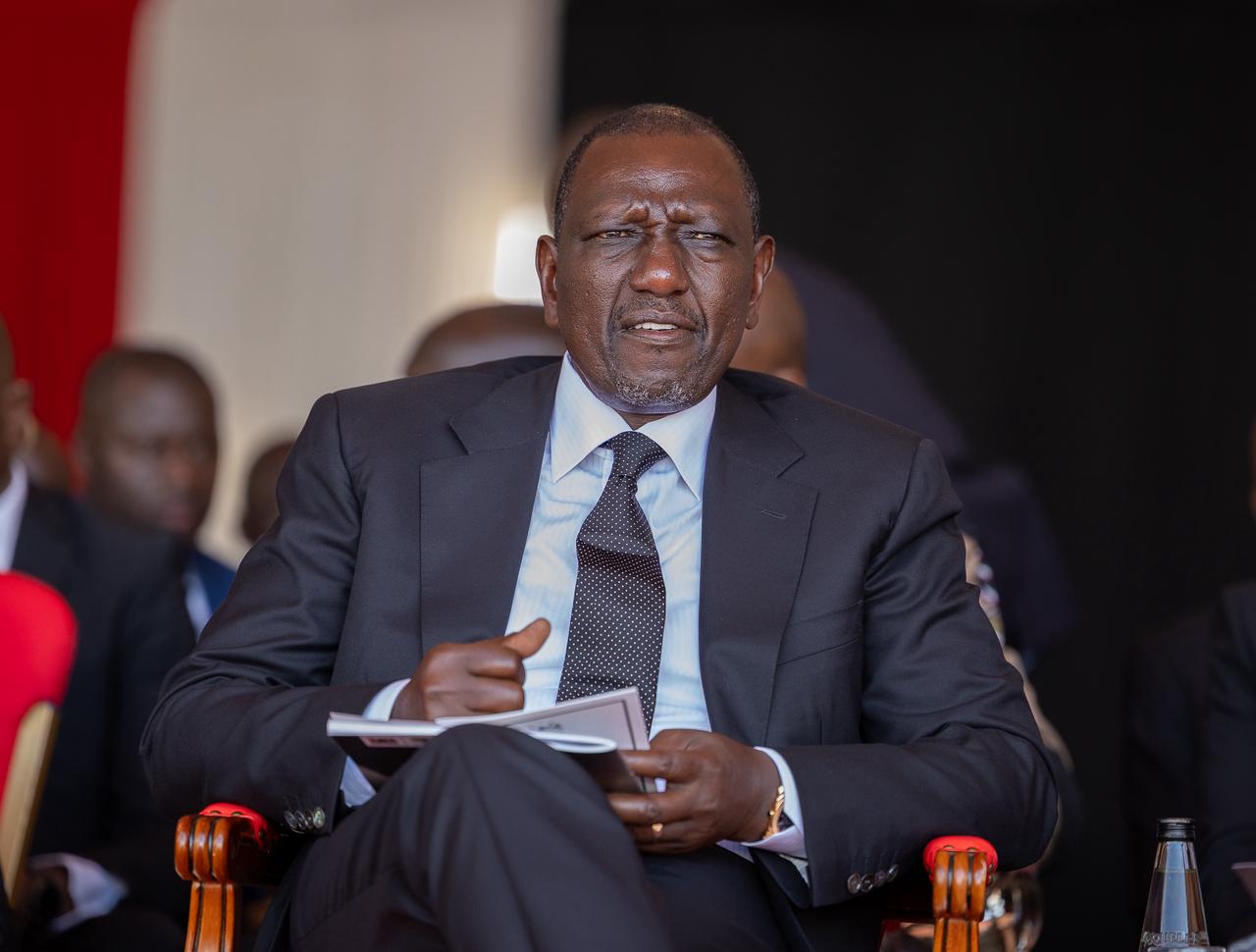
The President argued that Kenya had worked to improve its economic environment and attract investment, but said foreign investors should focus on businesses that create jobs and expand production rather than competing with Kenyans in small-scale trade.
“We have not built investor confidence so that hawkers can come to Kenya,” Ruto said, adding that the investor confidence created by his administration was intended to attract investors rather than hawkers and small-scale traders.
Ruto also said a Bill before Parliament proposes identifying businesses that should be reserved for Kenyan citizens. He cited hawking and small retail businesses as examples of activities that foreigners should not be allowed to undertake.
“It cannot be that a person comes from China or elsewhere to be a hawker or open a small shop,” the President said.
He directed National Assembly Majority Leader Kimani Ichung’wah and Kinyanjui to help accelerate consideration of the proposed legislation.
The crackdown has since sparked debate over how Kenya can protect opportunities for its citizens while balancing the contribution made by foreign traders to the economy.
For the Burundian trader, the government’s decision could have immediate consequences for his livelihood.

When asked what message he would give President Ruto, he respectfully removed his cap and appealed to the Head of State to reconsider the directive, arguing that foreign traders such as himself are also participating in Kenya’s economy.
His appeal has added a human face to the ongoing debate over foreign nationals in Kenya’s informal economy, with questions emerging over how the government will distinguish between illegal immigration, businesses reserved for Kenyan citizens and foreign nationals who are legally in the country and earning a livelihood through small-scale trade.